
How To
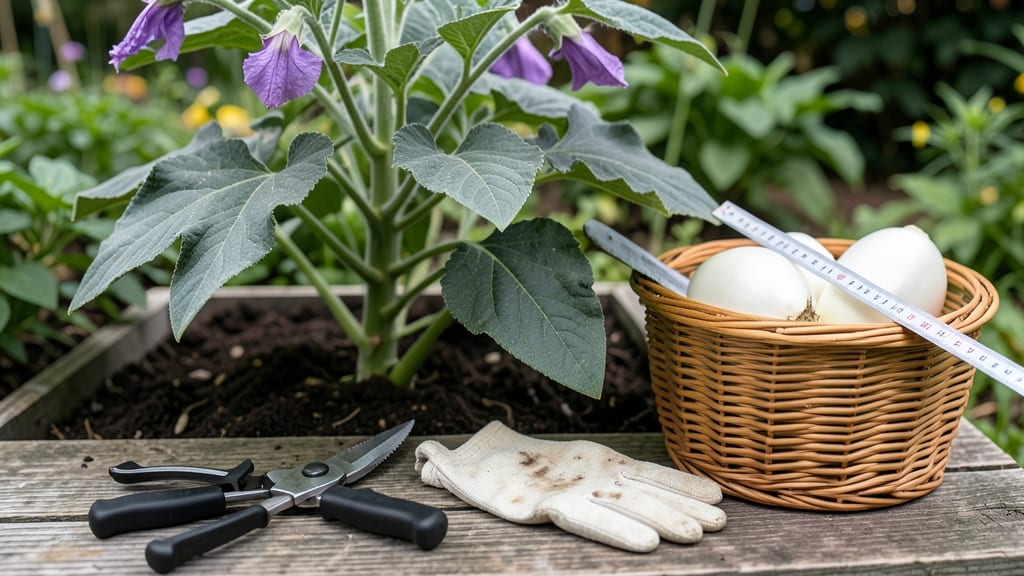
Harvesting white eggplant at the right time ensures tender, flavorful fruit—not tough or bitter—so timing is everything for home gardeners in Zone 6a.
Picture this: you’ve nurtured your 🍆 plants all summer, and now the moment arrives to pick them. One wrong move, and you’re left with a meal that falls short of creamy perfection.
The secret? Knowing when the skin turns glossy, the size hits just right, and the stem snaps cleanly—three simple checks that make all the difference.
White eggplant thrives in July through September, but waiting too long means the flesh hardens. Too early, and the flavor won’t develop fully. Below, I’ll walk you through the three tactile tests that guarantee peak tenderness, plus how to avoid common mistakes that ruin the harvest.
Ready to go from guesswork to foolproof picking? Let’s dive into the exact cues your white eggplant is begging you to notice.
3 Tactile checks to determine perfect white eggplant ripeness
White eggplant thrives when harvested at its peak—delicate, creamy, and tender—but many gardeners miss the window by relying on color alone. Unlike traditional green varieties, white eggplant signals ripeness differently, requiring hands-on checks.
I’ve learned the hard way that waiting too long means tough flesh, while harvesting too early delivers bland flavor. Let’s fix that with three foolproof tactile tests to nail the perfect moment.
First, size matters but isn’t everything. A 4-6 inch diameter is ideal, but the real magic happens when you press the skin—it should yield slightly under gentle thumb pressure, like ripe avocado. If it springs back hard, wait a day or two.
Overripe eggplant loses its velvety texture, turning spongy and bitter. This test works best in the morning, when skin is firmest after overnight hydration.
Next, focus on the stem separation point. Gently twist the eggplant near its base—if the stem snaps cleanly (not tears), it’s ready. A stubborn stem means it’s underripe; if it pulls away with resistance, it’s past its prime.
Pro tip: Use clean pruners to avoid damaging the plant, and harvest on a dry day to prevent fungal issues from moisture on the wound.
Color is tricky with white varieties—don’t wait for full brightness. Instead, look for a uniform, pale hue with a slight gloss. Dull or mottled skin means it’s not ready, while yellowing or brown spots signal overripeness.
In my garden, white eggplant reaches peak flavor when the skin is smooth and slightly waxy, not matte or wrinkled.
| Check | What to Look For | Action |
|---|---|---|
| Firmness Test | Skin yields slightly under thumb pressure | Harvest if firm but not rock-hard |
| Stem Separation | Stem snaps cleanly when twisted | Use pruners 1 inch from fruit |
| Color & Gloss | Uniform pale white with slight shine | Avoid if dull or spotted |
| Size Range | 4-6 inches in diameter | Smaller = underripe; larger = tough |
Temperature plays a sneaky role in ripeness. In hot climates (USDA Zone 9+), white eggplant matures faster—sometimes in as little as 60 days. But in cooler zones (like mine in Zone 6a), it takes 75-90 days.
If your summer stretches into 90°F+ heat, harvest earlier to avoid bitterness. Conversely, in shady spots, growth slows, so monitor size closely.
One mistake I’ve seen gardeners make is harvesting after rain. Wet skin throws off the firmness test, making eggplant feel softer than it is. Always check ripeness 24 hours after a downpour to let excess moisture evaporate.
Store harvested white eggplant in a cool, dark place (like a pantry) for up to 5 days—never in the fridge, or it’ll turn mealy.
For container growers, tactile checks are even more critical since space limits size. Aim for 3-4 inch diameters in pots, and prioritize the stem snap test over size. White eggplant in containers also ripens 5-7 days faster due to higher heat exposure.
If your plant is bushy with multiple fruits, harvest the largest ones first to encourage more production.
Finally, trust your taste buds as the ultimate judge. Cut a test slice from a candidate eggplant—creamy, seedless flesh with a mild sweetness is your reward. If it’s fibrous or seedy, it’s past its prime.
This method saved my ‘Rosa Bianca’ harvest last summer when I nearly overlook a batch because of cloudy skies hiding the glossy skin.
Master these three tactile checks, and you’ll enjoy perfect white eggplant every time—tender, flavorful, and ready for your favorite dishes. The secret? Touch, twist, and taste your way to success.
How size and growth stage affect white eggplant flavor
White eggplant flavor transforms dramatically based on size and seed development. Unlike green varieties, white eggplant reaches peak tenderness at 4-6 inches in diameter—smaller means tough, larger means seedy and bitter. The key lies in understanding how these stages impact texture and taste.
At 3 inches, white eggplant is still underripe, with a firm, fibrous texture and minimal sweetness. This is the "baby" stage—great for pickling but not ideal for roasting or grilling. The flavor profile is muted, lacking the creamy richness you crave in dishes like eggplant parmesan.
When white eggplant hits 4-6 inches, its flesh becomes delicate and velvety, with a mild, slightly sweet taste. This is the sweet spot for most recipes.
The seeds are still small, and the skin is glossy—a sure sign of perfect ripeness. Harvesting here ensures the best balance of flavor and texture.
Beyond 6 inches, white eggplant enters the overripe stage. The flesh becomes watery, seeds harden, and bitterness creeps in. The skin may develop a yellowish tint, signaling the plant is past its prime. Overripe eggplant is best avoided unless you're making jam or fermented products.
Pay attention to the stem separation too. When the fruit detaches easily with a gentle twist, it’s ready. If the stem resists, wait 1-2 days. This method works best in morning hours when the plant is hydrated and firm. Ignoring this cue often leads to underripe or overripe harvests.
Pro tip: Use a serrated knife for clean cuts if twisting isn’t an option. Leave 1 inch of stem attached—this prevents bruising and extends shelf life.
Store harvested white eggplant in a cool, dark place (50-55°F) for up to 5 days. For longer storage, wrap in paper towels to absorb moisture.