
How To
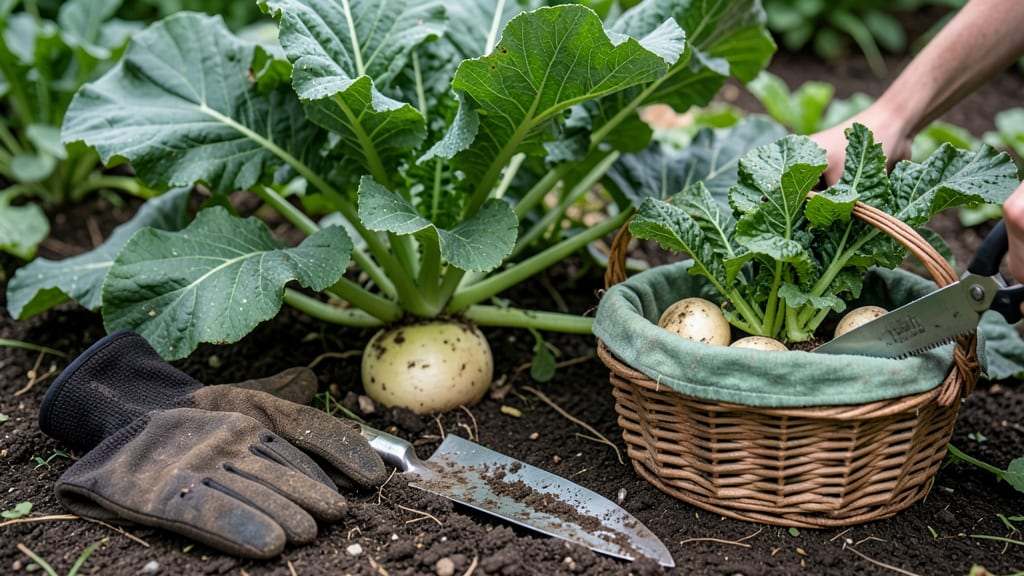
Harvest turnips when roots reach 1-3 inches in diameter and leaves start yellowing—this sweet spot delivers crisp, tender roots packed with flavor.
Turnips harvested too early taste bland, but wait too long, and they turn woody or bitter—leaving you with a disappointing crunch instead of crisp perfection. Mastering the art of timing ensures your turnips are sweet, tender, and packed with flavor every time.
Don’t rely on days alone—check the soil temperature (50°F or warmer) and firmness of the root. A gentle squeeze should reveal a solid, round shape, not a soft or misshapen one.
In this guide, I’ll walk you through three tactile tests to nail the perfect harvest, plus the best times for spring and fall crops in USDA Zone 6a.


3 Tactile tests to determine perfect turnip harvest time
Harvesting turnips at the right moment transforms your garden into a flavor factory—crisp, sweet roots packed with nutrients instead of tough, bitter disappointments. The secret? Trusting your hands as much as your eyes.
Unlike other vegetables, turnips don't always announce their readiness with obvious color changes. Instead, they whisper clues through texture, size, and leaf condition that only tactile testing reveals.
I’ve learned the hard way that waiting for perfect conditions is better than rushing—especially when spring turnips can bolt in 55°F soil or fall varieties toughen up before frost.
These three simple tests will give you the confidence to pull turnips when they’re at their peak, whether you’re growing Tokyo Cross for baby roots or Purple Top White Globe for storage.
- 👆 Root Size Test: Gently brush soil away to check diameter—1-3 inches means harvest time for mature roots, while ½-1 inch is ideal for baby turnips.
- 👆 Leaf Color Shift: Look for yellowing outer leaves while inner leaves stay green—this signals the root is storing energy for harvest, not growth.
- 👆 Stem Firmness Check: Squeeze the stem near the soil—firm resistance means the root is fully developed, while softness indicates it needs more time.
Start with the root size test because it’s the most objective. Turnips grow surprisingly fast—some varieties like Hakurei can reach harvest size in just 30 days—so I always check roots every 5-7 days starting at week 4.
Use your fingers to gently expose the root (no need to dig it up completely) and compare it to a ping-pong ball for mature varieties or a golf ball for baby turnips.
Next, move to the leaf color shift, which is where many gardeners miss the window. The outer leaves should be dull yellow or brownish, while the inner leaves remain vibrant green. This contrast tells you the plant is redirecting nutrients to the root.
If the entire plant looks healthy and green, it’s not ready—keep watching. Pro tip: Check leaves in morning light when colors are most accurate.
The stem firmness check is my favorite because it combines touch and intuition. Press the stem between your thumb and forefinger—if it feels springy but solid, like a fresh carrot, it’s time to harvest.
A mushy stem means the root is still growing, while a hard, woody feel signals you’ve waited too long. This test works best on cool, dry days when stems aren’t overly turgid from recent watering.
Seasonal timing adds another layer to these tests. Spring-planted turnips should be harvested 6-8 weeks after sowing, while fall varieties often need 8-10 weeks due to slower growth in cooler weather.
In my Zone 6a garden, I aim to harvest spring turnips by early June to avoid the heat, and fall turnips by late October before the first frost. Adjust these windows by 1-2 weeks if your climate runs hotter or colder.
One common mistake I see is relying solely on days-to-maturity labels. While those are a great starting point, they don’t account for soil temperature, water availability, or variety-specific growth rates. For example, Shogoin turnips mature faster in warm soil than Golden Globe varieties.
That’s why I always combine the tactile tests with a growth journal noting soil temps and rainfall—it’s the only way to fine-tune your harvest timing.
For baby turnips, focus on the ½-inch diameter mark and harvest when leaves are still 80% green. These tender roots are perfect for salads and stir-fries. Mature turnips, on the other hand, should be 2-3 inches wide with yellowing leaves and a firm stem.
If you’re growing turnips for storage, aim to harvest 2 weeks before the first expected frost to ensure they’ve developed full flavor without becoming woody.
Remember, turnips are cool-season crops, so they’ll tolerate light frosts. In fact, a 28°F night can sweeten their flavor. But don’t let them freeze—they’ll turn mushy.
If frost is in the forecast and your turnips aren’t ready, cover them with row fabric for a few days to slow growth until harvest time arrives. This trick has saved my late-season turnips more times than I can count!
Finally, trust your instincts. If a turnip passes two out of three tests, it’s likely ready. And if you’re unsure, harvest a few as testers—you can always replant the area for a second crop if needed.
With practice, these tactile tests will become second nature, and you’ll never again sacrifice flavor for guesswork. Happy harvesting!
Turnip harvest timeline: when to pull for baby vs. mature roots
Timing your turnip harvest is all about balance—pull them too early, and you'll miss their sweetest flavors, but wait too long, and they'll develop that dreaded woody texture or bitter taste.
The key lies in understanding the two distinct harvest windows for turnips: baby roots and mature storage roots. Each requires different timing and environmental conditions to deliver the perfect harvest.
For baby turnips, you're aiming for a tender, crisp root that's about the size of a golf ball—typically harvested between 4 to 6 weeks after sowing. These young roots are perfect for quick cooking or fresh eating, offering a milder flavor profile.
Meanwhile, mature turnips need more time to develop their full sweetness and storage potential, usually ready between 8 to 10 weeks, with roots reaching the size of a baseball.
Climate plays a huge role in your harvest timing. In cooler regions (USDA Zones 1-5), turnips mature faster due to shorter growing seasons, while warmer climates (Zones 6-10) may require slight adjustments to avoid bolting or bitterness.
Always check your local frost dates—turnips hate heat, so plan your harvest before temperatures consistently exceed 80°F.
| Harvest Type | Time After Sowing | Root Size | Leaf Color | Best For | Climate Note |
|---|---|---|---|---|---|
| Baby Turnips | 4-6 weeks | 1-2 inches | Dark green | Quick meals, salads | Cool seasons |
| Mature Turnips | 8-10 weeks | 2-3 inches | Yellowing tops | Storage, roasting | Moderate heat |
| Overmature Signs | 10+ weeks | Woody, pithy | Brown leaves | Discard | Hot weather |
One of the easiest ways to tell if your turnips are ready is by checking the leaf color. For baby turnips, leaves should remain vibrant green, while mature turnips will show yellowing or wilting tops as they redirect energy to the root.
Another telltale sign is the root firmness—press gently with your thumb; baby roots should yield slightly, while mature roots feel solid and round.
If you've let your turnips linger too long in the garden, you'll know it immediately—they'll develop a woody texture and bitter flavor, making them nearly inedible. Overmature turnips also tend to have hollow centers or pithy flesh, which is a clear sign you missed your window.
In this case, it's best to compost them and plan for a more timely harvest next season.
For the best results, harvest turnips on a cool, cloudy day to minimize stress on the plant. Use a fork or your hands to gently loosen the soil around the roots, then pull them carefully to avoid damaging the root structure.
Store baby turnips in the fridge for up to 1 week, while mature turnips can last 2-3 months in a cool, dark place like a root cellar.