
How To
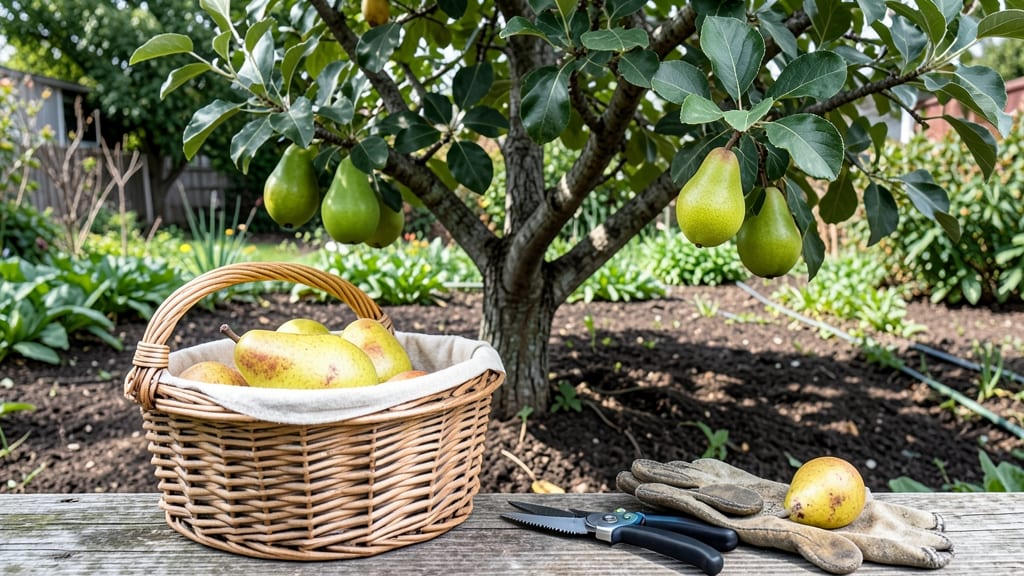
Harvest Kieffer pears when they yield slightly to pressure and twist free from the stem 🍐 — that’s the sweet spot between mealy and underripe.
Kieffer pears—those small, sweet jewels of the orchard—can turn from perfect to mealy in a blink if you harvest too late. But how do you know when they’re just ripe enough to burst with flavor? These 3 simple knuckle tests will help you pick them at peak sweetness every time.
Timing matters more than you think: a single week too early or late can mean the difference between juicy perfection and bland mush. I’ll walk you through the visual and tactile cues to nail it, plus how your local climate affects the harvest window.
You’ll also learn what to do if you miss the mark—how to salvage early harvests and ripen pears indoors without losing quality. No more guesswork, just flavor-packed pears every season.


3 Knuckle tests to determine Kieffer pear ripeness (no guessing!)
Kieffer pears are delicate—harvest them too soon, and they’ll stay hard and bland. Pick them too late, and they’ll turn mushy or fall prey to pests. The solution? Use your knuckles as a precision tool to test ripeness without guessing. This tactile method works every time, even for beginners.
Your fingertips and knuckles are more sensitive than you think. By applying gentle pressure and observing subtle changes, you can determine if a Kieffer pear is just right, underripe, or overripe. No fancy equipment needed—just your hands and a little practice.
The key is consistency. Test the same spot on each pear—usually the stem end—using the same amount of pressure. Over time, you’ll develop a feel for the perfect balance of firmness and give. Let’s break it down into three simple tests.
Gently press your knuckle (not fingertip) into the pear’s side. If it yields slightly but doesn’t dent, it’s ripe. Too firm? Wait 3-5 days. If it dents deeply, harvest immediately.
Grasp the stem and pear between your thumb and forefinger. Twist gently. If the pear detaches easily with a slight pop, it’s ready. If it resists, it’s not ripe yet. If the stem tears, it’s overripe.
Hold the pear against a white background (like a sheet or wall). Run your knuckles along the skin. Ripe pears show a yellow-green blush where sunlight hits. If it’s still solid green, wait. If it’s mottled brown, harvest now.
Avoid the common mistake of judging ripeness by color alone. Kieffer pears often stay green even when ripe. That’s why the knuckle tests work better—your touch detects internal changes invisible to the eye. For example, a pear might look ripe but feel hard as a rock inside.
Timing matters too. In cooler climates, pears ripen slower. Use the knuckle tests daily during peak harvest season (late summer to early fall). In warmer zones, ripening speeds up—check every 2-3 days to avoid missing the window.
Pro tip: Test pears from different branches. Some ripen faster due to sun exposure or tree stress. If one branch’s pears pass all three tests while others don’t, harvest the ripe ones first and monitor the rest closely. This branch-by-branch approach prevents overripe fruit from spoiling.
Once you master these tests, you’ll never second-guess harvest time again. The knuckle method is foolproof for Kieffer pears, ensuring you pick fruit at its peak sweetness—just soft enough to enjoy fresh, but still firm enough to store for a few days. Happy harvesting!
When to harvest Kieffer pears by season: timing for maximum sweetness
Timing your Kieffer pear harvest is everything—miss the window, and you’ll end up with mealy, flavorless fruit instead of sweet, juicy treats. These pears thrive in late summer to early fall, but the exact timing depends on your USDA zone and local climate.
Warmer zones like Zone 8-10 often see harvests as early as August, while cooler Zone 5-7 regions typically wait until September or October.
A light fall frost can actually improve flavor by converting starches to sugars, but don’t wait too long—overripe pears drop easily and spoil quickly. In humid climates, harvest slightly earlier to avoid rot, while dry regions can often wait a few extra days for full sweetness.
Always check your tree weekly in late summer to catch the perfect moment.
If you’re in a transition zone (like Zone 7b), split your harvest—pick early-ripening branches first, then wait a week for later ones. Southern gardeners should harvest before humidity spikes in late summer, while northern growers can often wait until after the first 28°F frost for sweeter fruit.
Always harvest on a dry, sunny morning to extend storage life.
Pro tip: Shade-cloth-covered trees may need 10-14 extra days to ripen compared to full-sun trees. If your pears aren’t changing color by mid-September in cooler zones, consider a light frost treatment—wrap the tree in frost cloth for 24 hours to trigger sugar conversion.
Just don’t leave them too long, or you’ll risk bird damage from fallen fruit.
For container-grown Kieffer pears, harvest 7-10 days earlier than in-ground trees since pots dry out faster and stress the fruit. Store harvested pears in a cool, dark place (like a root cellar) for up to 3 weeks—but eat them sooner for peak flavor.
The longer you wait, the more starches convert to sugar, but texture suffers.
Remember: Sweetness peaks at harvest, not after storage. If your pears taste bland even when ripe, your tree might need more potassium-rich fertilizer next season. Try a banana peel compost tea for a natural boost—just don’t overdo it, or you’ll get too-soft fruit.