
Vegetables
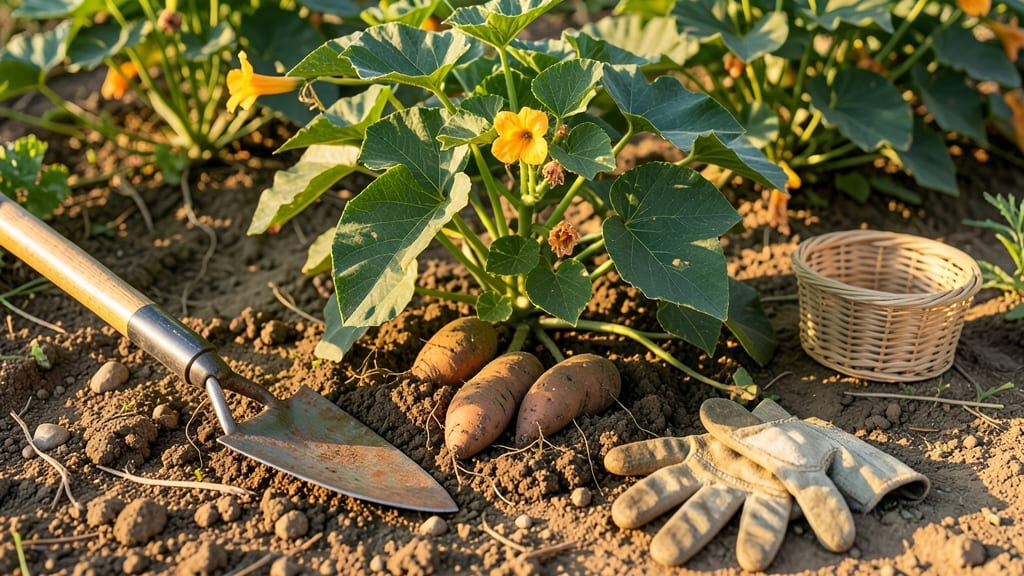
Harvesting sweet potatoes at the right time means the difference between a sweet, flavorful crop and one that’s tough or shriveled 🍠.
Sweet potatoes don’t ripen like tomatoes or peppers—they mature underground, and harvesting too early or too late can ruin your crop. Learn the exact signs to pick them at peak sweetness and flavor, from the classic skin slip test to root size clues.
In Zone 6, where frost arrives by mid-October, timing matters even more. A few weeks before the first frost is ideal, but missing that window means risking tubers that split or rot in the soil.
Below, I’ll walk you through the foolproof skin slip test, root size checks, and soil conditions that confirm harvest time—so you never miss the sweet spot.


How to perform the skin slip test for perfect sweet potato harvest timing
The skin slip test is the gold standard for determining when to harvest sweet potatoes. Unlike other root vegetables, sweet potatoes mature underground, so you can't judge readiness by color or size alone. This simple test lets you check maturity by assessing the skin's resistance—no digging required until you're sure.
I've used this method for years, and it's saved me from harvesting too early (tough, starchy roots) or too late (wooden, dry tubers).
Timing matters because sweet potatoes continue to sweeten after harvest, but only if they've reached full maturity. The skin slip test works best when vines start yellowing, usually 90-120 days after planting.
If you wait too long, the skin toughens excessively, making storage difficult. For varieties like Beauregard or Jewel, this test is especially critical since they mature at slightly different rates.
- 🌱 Wait for vine yellowing: Begin testing when 50-70% of vines turn yellow or brown. This usually happens in late summer to early fall (Zone 6: August-September).
- 👆 Grip the skin firmly: Use your thumb and forefinger to pinch a 1-inch section of the vine stem where it attaches to the tuber. Press hard enough to feel resistance.
- 🔄 Attempt to slip the skin: Try to slide your fingers down the stem. If the skin slips easily (like a banana peel), the tuber is not ready—wait 1-2 weeks.
- 🛑 Check for resistance: If the skin doesn't slip and feels tough, the tuber is mature. Dig a small test hole to confirm size (1-3 inches diameter).
- ⏰ Test multiple stems: Check 3-5 stems per plant for consistency. Some tubers may mature faster than others.
- 🌡️ Consider frost risk: If your first frost is imminent (within 2 weeks), harvest even if the skin isn't fully resistant. Frost kills vines but can damage tubers if left in cold soil.
One common mistake is testing too early when vines are still green. Immature sweet potatoes have soft, easily pierced skin that slips immediately. I once harvested a batch in July because the vines looked yellowed, only to find small, watery tubers.
Always wait until at least 50% of vines show color change before testing.
Skin color changes also signal maturity. Look for deep orange, red, or tan hues (depending on the variety). The skin should feel thick and leathery, not waxy or thin.
For example, Beauregard sweet potatoes develop a rich copper color, while Jewel varieties turn deep purple-red. These color shifts indicate the tuber has stopped growing and is storing starches efficiently.
Another pro tip: Combine the skin slip test with a fingernail test. Press your fingernail into the tuber skin. If it doesn't puncture easily, the tuber is ready.
This works best on freshly dug test samples. I keep a small trowel handy to dig up 1-2 tubers for these checks without disturbing the entire plant.
Harvest timing also depends on your climate. In warmer zones (8-10), sweet potatoes may mature earlier (July-August), while in cooler zones (4-6), they often need until September or October.
Pay attention to soil temperature drops—when nighttime temps fall below 60°F (15°C), it's time to harvest, even if the skin slip test isn't perfect.
If you're growing sweet potatoes for long-term storage, aim for tubers that are firm but not rock-hard. Overripe sweet potatoes develop wooden, dry flesh and lose their sweetness. For immediate cooking, you can harvest slightly earlier when the skin is medium-resistant, but these tubers won't store well.
Always label your harvest batches by maturity date to track storage performance.
Remember: The skin slip test is about consistency. Test the same plant at the same time each week for accuracy. Keep a harvest journal noting vine color, skin resistance, and tuber size to refine your timing in future seasons. With practice, you'll nail the perfect harvest window every time!
Sweet potato root size and soil conditions that signal harvest time
Harvesting sweet potatoes at the right time ensures maximum sweetness and storage potential. Unlike aboveground crops, these tubers mature underground, so you’ll need to focus on root size, vine health, and soil conditions instead of color changes.
The ideal root diameter ranges from 1 to 3 inches, but timing varies slightly by variety.
Start checking your crop when vines show signs of yellowing or dieback, typically 90 to 150 days after planting. For varieties like Beauregard (a popular choice), harvest when roots reach 2 to 3 inches in diameter.
Meanwhile, Jewel sweet potatoes mature slightly earlier, often ready when roots are 1.5 to 2.5 inches.
| Variety | Ideal Root Size | Harvest Window | Soil Condition |
|---|---|---|---|
| Beauregard | 2–3 inches | 90–120 days | Dry, warm soil |
| Jewel | 1.5–2.5 inches | 80–110 days | Slightly dry soil |
| Georgia Jet | 1–2 inches | 75–100 days | Warm, loose soil |
Soil conditions play a crucial role in determining harvest readiness. When the topsoil feels dry 1–2 inches down, it’s time to dig. This dryness triggers the tubers to stop growing and sweeten up.
Additionally, watch for temperature shifts—a drop below 50°F (10°C) signals the plant to redirect energy to the roots, accelerating maturity.
Another key indicator is the skin slip test, where the skin easily peels away from the tuber when gently grasped. If the skin stays firmly attached, wait a few more days.
For storage varieties, aim for firm, dry skin—this ensures longer shelf life. If you’re harvesting for immediate use, slightly softer skin is fine, but avoid waiting until frost hits.
Regional climate also affects timing. In warmer zones (8+), harvest as early as late summer, while cooler zones (Zone 6 or below) should harvest by early fall before the first frost. Always prioritize gentle handling during harvest to prevent bruising, which shortens storage life.
Once you’ve confirmed the right conditions, use a fork or hands to carefully dig around the plant. Shake off excess soil and let the tubers cure in warm conditions for 5–10 days before storage. Proper curing enhances flavor and extends shelf life—don’t skip this step! 🍠