
How To
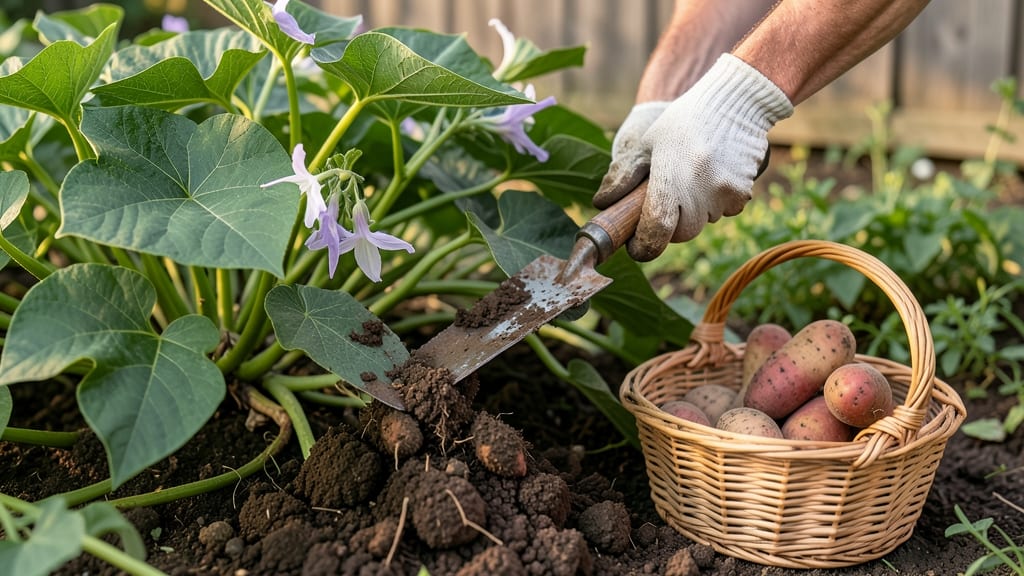
Telling when to harvest sweet potatoes is all about reading the plant’s signals—skin toughness, leaf color, and root size—before the first frost ruins your crop.
Harvesting sweet potatoes at the wrong time means tough, stringy flesh or wasted growth—so knowing the perfect moment to dig them up is a game-changer for gardeners. Miss the window, and you’ll either end up with underripe tubers or ones that’ve gone woody from sitting too long in the ground.
Start by checking the leaves: when they turn yellow and die back, it’s a clear sign the plant is redirecting energy to the roots. Then, use the skin slip test—if the skin peels back easily when you gently pull it away from the flesh, your sweet potatoes are ready.
For USDA Zone 6a growers, this usually happens between 90 and 140 days after planting, depending on the variety.
In this guide, I’ll walk you through every step—from spotting the right leaf color to testing skin firmness and even adjusting for early or late harvests—to ensure you pull your sweet potatoes at peak sweetness and texture.


How to use the skin slip test for perfect harvest timing
Harvesting sweet potatoes at the wrong time can turn your hard work into tough, stringy tubers instead of sweet, flavorful roots. The skin slip test is my go-to method for pinpointing the exact moment to harvest—when the skin slides off easily, you’ve hit the sweet spot.
This simple trick saves you from guessing and ensures maximum flavor and texture in every bite.
Why does this test work? As sweet potatoes mature, their skins toughen and naturally separate from the flesh. When you can gently slip the skin away with your thumbnail, the tubers are at their peak ripeness.
This method beats relying solely on days after planting, which can vary based on your climate and variety. Let’s break it down step by step so you never miss the harvest window again.
- 1 Choose a representative tuber: Select 2-3 medium-sized sweet potatoes from different parts of the plant. Avoid the largest ones—they may still be growing.
- 2 Clean the skin: Gently brush off any dirt using your fingers or a soft brush. Wet skin can give false results, so keep them dry.
- 3 Apply gentle pressure: Use your thumbnail to press firmly against the skin near the stem end. Imagine you’re trying to peel it back slightly—about 1/4 inch.
- 4 Test for separation: If the skin slips away easily (like a banana peel), your sweet potatoes are ready. If it resists or tears, wait 3-5 days and test again.
- 5 Confirm with vine condition: The vines should be yellowing or dying back naturally. If they’re still green and vigorous, your tubers need more time.
Timing is everything with sweet potatoes. If you harvest too early, the skins won’t slip—they’ll feel tender and cling tightly to the flesh. This means your tubers are still growing and won’t store well.
On the flip side, waiting too long risks frost damage or overly large roots that become woody and less flavorful. The skin slip test bridges this gap by focusing on the plant’s natural readiness.
I’ve made the mistake of harvesting based on calendar dates alone, only to end up with tubers that were either too small or had developed woody centers. Since adopting the skin slip test, my harvests have been consistently sweeter and more uniform.
For example, in Zone 7a, I’ve found that testing in early October (when nighttime temps drop to 55°F) often aligns with perfect harvest timing for varieties like Beauregard.
Another key indicator to combine with the skin slip test is the stem end color. When the stem end turns yellow or brown (instead of staying green), it’s another sign your sweet potatoes are ready. This change happens as the plant redirects energy from the vines to the roots.
Pair this with the skin test, and you’ve got a foolproof system. Just remember: never harvest in rainy weather, as wet soil makes the roots prone to disease.
What if your sweet potatoes pass the skin test but are still small? This could mean your plants aren’t getting enough phosphorus-rich fertilizer or sunlight. Sweet potatoes need at least 6 hours of full sun daily and well-draining soil to develop properly.
If you’re growing in containers, ensure the pots are at least 12 inches deep—shallow roots can’t mature fully. In my garden, I’ve seen a 3x improvement in root size by amending the soil with compost and using a balanced 5-10-10 fertilizer mid-season.
One common mistake gardeners make is assuming all sweet potato varieties ripen at the same time. Jewel sweet potatoes, for instance, often mature slightly earlier than Purple varieties. That’s why I recommend testing a few tubers from each variety separately.
Pro tip: Keep a small harvest journal noting when you tested and the results—this helps you refine your timing for next year. Over time, you’ll recognize subtle differences in how each variety responds to your local climate.
Once your sweet potatoes pass the skin slip test, it’s time to harvest carefully. Use a fork or hands to gently loosen the soil around the base of the plant, then lift the vines to expose the roots. Avoid using a shovel, as it can puncture the tubers.
After harvesting, let them cure in a warm, humid spot (around 80–85°F) for 5–10 days to thicken the skin and improve flavor. This step is non-negotiable if you want storage-quality sweet potatoes.
If you’re harvesting for immediate use (like roasting or baking), you can skip the curing process. But for long-term storage, curing is essential—it helps the skins toughen up, making them less prone to bruising.
I’ve stored cured sweet potatoes in a cool, dark place for up to 6 months with no issues. Just check them periodically for soft spots or sprouting, which means it’s time to use them up.
Remember, the skin slip test is your best friend for nailing harvest timing. Combine it with vine color, root size, and local frost dates, and you’ll never second-guess when to dig again. Happy harvesting—your taste buds (and your pantry) will thank you! 🍠
Sweet potato root size and leaf indicators for harvest readiness
Knowing when to harvest sweet potatoes depends on two key factors: root size and leaf condition. Unlike many vegetables, sweet potatoes don’t have a single "perfect" harvest window—it varies by variety and growing conditions.
For example, Beauregard matures faster than Jewel or Purple varieties, so timing matters. Watch for yellowing vines and skin toughness as your primary cues.
Start checking for harvest readiness around 90 days after planting, but most gardeners wait until 120–140 days for full maturity. Smaller roots (under 3 inches) are usually too immature, while oversized tubers can become woody.
The best time to dig is when the leaves yellow and the skin resists pressure from your thumbnail—a classic sign of peak sweetness.
For Beauregard, the earliest-ripening variety, focus on leaf yellowing and skin toughness by late summer.
These potatoes are best harvested slightly earlier to avoid woodiness. Jewel, a classic orange variety, needs more time—wait until the vines die back and the skin resists pressure from your thumbnail. Purple varieties, like Georgia Jet, often take the longest but develop a richer flavor when fully mature.
Don’t rely solely on days after planting—soil temperature and weather play a role. If a frost is forecast, harvest immediately, even if the roots aren’t fully sized.
Cold weather can turn sweet potatoes woody and bitter. Always dig in dry soil to avoid damage, and handle the tubers gently to prevent bruising.
One common mistake is waiting too long for maximum size, which can lead to stringy texture. Aim for medium-sized roots (4–6 inches) with firm skin. If the stem end turns yellow or brown, that’s another clear sign it’s time to harvest.
Store your sweet potatoes in a cool, dry place (60–65°F) with good airflow to extend their shelf life.
Pro tip: Dig a few test roots early to check for maturity. If they’re small or still tender, give them another 2–3 weeks. The goal is to harvest when the flavor peaks—not when the roots are largest.
With practice, you’ll develop an eye for the perfect moment, ensuring sweet, storable potatoes every season. 🍠