
How To
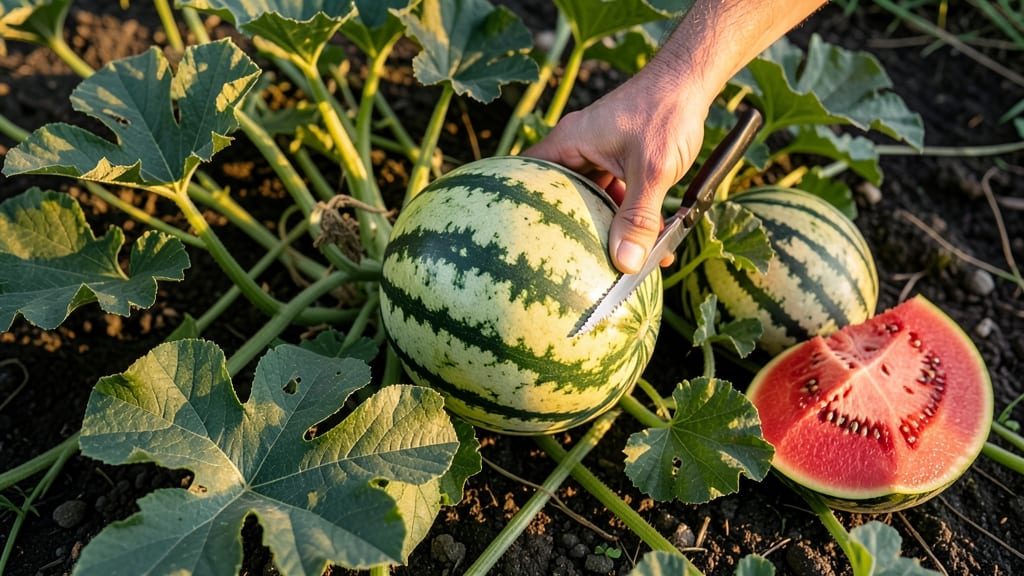
Harvesting a Sugar Baby watermelon at the right time turns a guess into a sweet certainty—and missing it means mushy, flavorless slices instead of juicy perfection.
Picture this: you’ve nurtured your 🍉 from seed, watched the vines sprawl, and now the fruit is staring you down. But how do you know when it’s actually ready? One wrong move, and you’re left with a mealy disappointment.
This guide cuts through the confusion with three foolproof tests—no fancy tools required. We’ll cover the telltale color shifts, the dry tendril trick, and the infamous "thump test" (yes, it works).
By the end, you’ll spot a ripe Sugar Baby in seconds, every time, and skip the overripe or underripe traps that waste your hard work.

3 Tactile tests to determine Sugar Baby watermelon ripeness
There’s nothing worse than cutting into a Sugar Baby watermelon only to find it’s underripe and bland—or worse, overripe and mushy. The good news? With these three science-backed tactile tests, you’ll know exactly when to harvest for that perfect burst of sweetness.
No guesswork, just delicious results every time.
Sugar Baby watermelons are small but mighty, typically weighing 4-8 pounds at maturity. Unlike their larger cousins, they ripen faster—usually within 70-90 days—so timing is everything. The key lies in physical cues that tell you the fruit is ready to pick.
These tests focus on what you can see, touch, and hear, making them foolproof even for beginners.
First, let’s tackle the ground spot color, a telltale sign often overlooked. The yellow or cream-colored spot on the underside of the watermelon (where it rested on the ground) should be fully developed. For Sugar Babies, this spot turns a bright yellow or pale orange when ripe.
If it’s still white or greenish, the melon needs more time. Pro tip: Avoid harvesting if the spot is uneven or patchy, as this can indicate uneven ripening.
Next, check the tendril nearest the fruit. This small, vine-like growth should be completely brown and dry—not green or slightly wilted. Sugar Baby watermelons often have one or two tendrils near the stem.
If the tendril is still green or only partially dried, wait another 2-3 days before testing again. This is one of the most reliable signs of ripeness, backed by decades of gardening research.
| Test | What to Look For | Action |
|---|---|---|
| Ground Spot Color | Bright yellow or pale orange | Harvest if fully colored |
| Tendril Dryness | Brown and crispy | Ready to pick |
| Thump Test | Hollow, deep sound | Harvest immediately |
The thump test is my favorite because it combines science and simplicity. Gently tap the side of the watermelon nearest the stem with your knuckles. A ripe Sugar Baby will sound hollow and deep, almost like knocking on a wooden door.
If it sounds dull or thud-like, it’s not ready yet. This test works best in morning hours when the fruit is cool and firm. Overripe melons often sound mushy or flat, so don’t wait too long!
Regional climate plays a role in ripening speed. In hot, dry climates (like Arizona or California), Sugar Babies may ripen in as little as 65 days, while cooler regions (like the Pacific Northwest) might need the full 90 days.
If you’re in doubt, combine all three tests: ground spot + tendril + thump. When all three align, you’ve got a winner. And remember, Sugar Babies are smaller but sweeter than standard varieties, so don’t judge ripeness by size alone!
One common mistake is harvesting based on vine color alone. While a yellowing vine can signal maturity, it’s not a reliable indicator on its own. Always pair it with the tactile tests above.
Also, avoid picking watermelons when the temperature drops below 50°F at night, as this can stunt sweetness development. Harvest on a warm, sunny morning for the best flavor.
Once you’ve confirmed ripeness, use a sharp knife or pruners to cut the stem about 1 inch above the fruit. This prevents the watermelon from absorbing moisture through the stem, which can lead to spoilage.
Store your freshly harvested Sugar Baby in a cool, dry place (like a garage or basement) for up to 2 weeks. For longer storage, keep it at 50-55°F and enjoy its sweetness all season long.
With these three tactile tests, you’ll never second-guess when to harvest your Sugar Baby watermelons again. The next time you’re in the garden, take a moment to touch, tap, and observe—your taste buds will thank you! 🍉
Common harvesting mistakes that ruin Sugar Baby watermelon flavor
Timing your Sugar Baby watermelon harvest is an art—one wrong move, and you’ll end up with fruit that’s either bland or overly mushy. I’ve learned the hard way that overripe melons lose their sweetness fast, while underripe ones stay tough and flavorless.
The key is catching that perfect window when the fruit is at its peak, not a moment too early or late.
Climate plays a huge role here. In hot, dry summers, Sugar Baby watermelons ripen faster, while cooler, cloudy seasons can stretch out the process. Ignoring these factors often leads to missed harvests or fruit that never reaches its full potential.
Let’s break down the telltale signs you’re harvesting at the wrong time—and how to avoid them.
⚠️ WARNING: Harvesting Too Late or Too Early
Overripe melons develop soft spots, wrinkled rinds, and a fermented smell near the stem. Underripe ones stay hard as rocks, have pale stripes, and sound thud-like when tapped. Both mistakes mean wasted fruit—and no one wants that!
Pro Tip: Check the ground spot (the area where the melon rested on the soil). If it’s creamy yellow, it’s ready. If it’s still white or green, wait a few days. Never harvest based on size alone—some Sugar Babies stay small but pack maximum sweetness!
One of the biggest mistakes I see is harvesting by size alone. A Sugar Baby watermelon might look ripe at 3 pounds, but if the tendrils near the stem aren’t brown and crispy, it’s not ready.
These vining plants need time to develop their full flavor, and rushing the process leads to watery, seedy fruit that lacks the signature sweetness.
Another trap is ignoring the thump test. A ripe Sugar Baby should sound hollow when tapped near the stem—like knocking on a drum. If it sounds dull, it’s underripe.
But if it sounds echoey with a hollow ring, you’ve hit the sweet spot. Skip this test, and you risk picking melons that are past their prime.
Climate also affects ripening speed. In USDA Zone 6a, where I garden, hot July days can push Sugar Babies to ripen in 70 days, while cooler June weather might extend it to 90 days.
If you’re in a warmer zone, like Zone 8, your melons may ripen faster—so stay alert for early signs of readiness, like dull rinds and drying tendrils.
Finally, don’t wait until the vine dies. By then, your melons are often overripe and prone to rotting. Instead, harvest when 75% of the tendrils near the fruit have turned brown and brittle.
This physical cue is your best friend—it’s nature’s way of saying, “Pick me now!”
Master these harvesting cues, and you’ll always enjoy bursting sweetness in every bite—no more bland or mushy surprises! 🍉