
How To
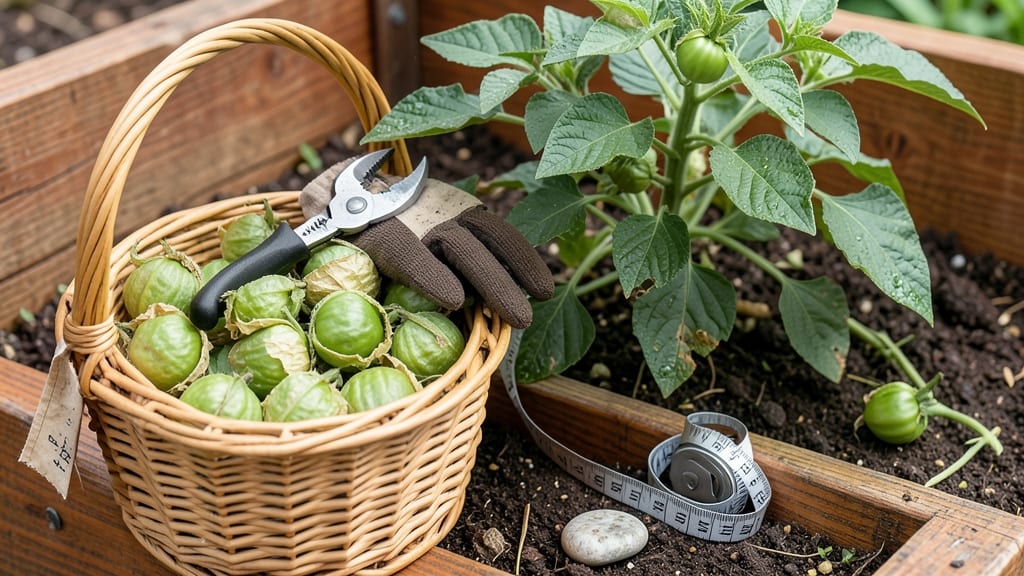
Harvesting tomatillos at the right time means the difference between a bright, tangy salsa verde and a meal that falls flat.
Picking too early leaves them hard and underripe, while waiting too long turns them mealy and bland. I’ve learned the hard way that timing is everything—and the secret lies in three simple tests you can do with your hands and eyes.
From papery husks to the perfect light brown hue, these visual cues tell you exactly when your 🍃 tomatillos are ready to pick. Whether you’re in USDA Zone 6a or further south, the same rules apply.
Below, I’ll walk you through the size, color, and firmness checks that guarantee peak flavor, plus how to handle them after harvest so they stay fresh longer.


3 Reliable size and color tests to harvest tomatillos at peak ripeness
Harvesting tomatillos at the perfect moment ensures your salsa verde bursts with bright tanginess and sweet undertones. Unlike tomatoes, these green husk-covered fruits rely on visual cues—not color alone—to signal readiness.
I’ve grown three main varieties (green, purple, and striped) and learned these three foolproof tests to never miss peak ripeness again.
First, focus on the husks. When they turn from moist green to dry papery brown, that’s your first green light. The husks should crack open easily when gently pulled apart—this means the fruit inside is softening just enough for optimal flavor.
Ignoring this step often leads to underripe, mealy tomatillos that ruin dishes.
Next, check the fruit size. Ready tomatillos typically measure 1 to 2 inches in diameter, though purple varieties may stay slightly smaller.
Use your thumb and forefinger to gently squeeze the fruit: it should yield slightly like a ripe peach, not bounce back hard (underripe) or feel mushy (overripe). This tactile test is non-negotiable for consistent results.
Finally, examine the fruit color. While green varieties turn pale yellow-green, purple types develop a dull lavender hue, and striped varieties fade to muted green stripes.
The key is uniform color—no splotchy or uneven patches. Overripe tomatillos may darken or wrinkle, losing their tangy snap.
| Test | Green Varieties | Purple Varieties | Striped Varieties |
|---|---|---|---|
| Husk Condition | Dry, papery brown | Dry, papery brown | Dry, papery brown |
| Fruit Size | 1–2 inches diameter | 1–1.5 inches diameter | 1–2 inches diameter |
| Fruit Color | Pale yellow-green | Dull lavender | Muted green stripes |
| Texture Test | Yields slightly to pressure | Yields slightly to pressure | Yields slightly to pressure |
| Harvest Window | July–September | July–August | July–September |
Pro tip: Harvest on a dry morning after dew has evaporated. Wet husks can stick to the fruit, making storage tricky. Use clean pruning shears to snip the stem, leaving a 1-inch tail to prevent bruising.
For purple varieties, which ripen faster, check plants every 2–3 days—they’re more prone to overripening.
Regional climate matters too. In hotter zones (9–10), tomatillos may ripen 2 weeks earlier than in cooler zones (6–8). I’ve seen striped varieties in Arizona ready by late June, while the same plants in Michigan hit peak ripeness in early August.
Always adjust your harvest timeline based on your local last frost date and summer heat.
One mistake I made early on? Waiting for bright green color like tomatoes. Tomatillos never turn red—their peak flavor comes from subtle color shifts and texture changes. If you’re unsure, cut one open: the flesh should be creamy white with no green core.
A green center means more time in the sun is needed.
Store harvested tomatillos in a paper bag in the fridge for up to 2 weeks. The husks release ethylene gas, which speeds ripening—so if you’re not using them immediately, remove the husks and store the fruits separately.
For long-term storage, freeze them whole (husks and all) in ziplock bags for up to 6 months—perfect for winter salsa verde.
Remember: Timing is everything with tomatillos. Master these three tests, and you’ll transform your kitchen from blah salsa to restaurant-quality tang every time. Happy harvesting!
How to avoid common harvest mistakes that ruin tomatillo flavor
Harvesting tomatillos at the wrong stage can turn your tangy salsa verde into a bland disappointment. The key is recognizing overripe vs. underripe signs and understanding how environmental factors like temperature and humidity affect ripening. Even a 1-2 week delay can mean the difference between vibrant flavor and mealy texture.
Many gardeners make the mistake of waiting too long, thinking tomatillos will keep ripening off the plant. In reality, they stop developing flavor once picked and can quickly become mushy or bitter.
The same goes for harvesting too early—underripe tomatillos lack the bright acidity that makes them perfect for cooking. Let’s fix these common pitfalls.
⚠️ Critical Harvest Warning: When to Harvest Tomatillos
Harvest too early: Husks stay green and moist, fruit is hard and unyielding (🔒).
Harvest too late: Husks turn brown and papery, fruit becomes soft and mealy (🌱).
Perfect timing: Husks are dry and papery, fruit is 1-2 inches wide and yields slightly to pressure (🤏).
Temperature plays a huge role in ripening. If your area experiences hot summer days (above 90°F), tomatillos may ripen faster and become overripe. In cooler climates (like USDA Zone 6a), they’ll take longer to reach peak ripeness.
Always check for papery husks and light brown color—these are your best indicators.
Humidity also affects flavor. High humidity can lead to fungal growth on the fruit, while dry conditions may cause husks to dry out too quickly. If you notice mold or slimy texture, harvest immediately and store properly.
After picking, keep tomatillos in a paper bag in the fridge to slow ripening and maintain crispness.
One of the biggest mistakes is storing tomatillos improperly. Unlike many fruits, they don’t ripen further after harvest. Place them in a single layer in a bag with a paper towel to absorb excess moisture.
This prevents rotting and spoilage while preserving their signature tang. Use them within 1-2 weeks for the best flavor.
Finally, avoid harvesting in direct sunlight or when the fruit is wet. This can cause sunburn or cracking, ruining the texture. Always pick in the early morning when temperatures are cooler. With these tips, you’ll ensure your tomatillos stay firm, tangy, and perfect for your next dish. 🌿