
How To
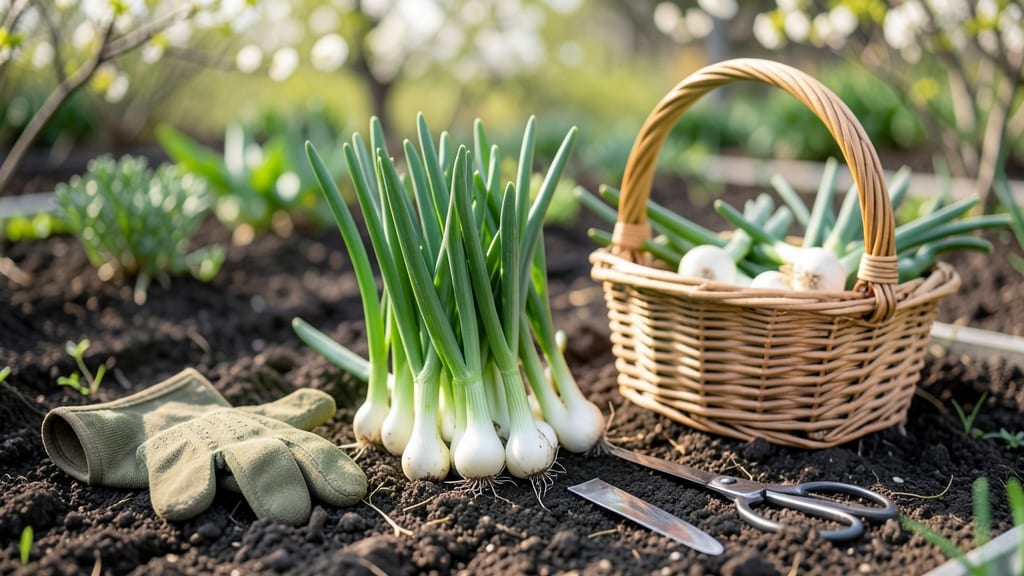
Harvesting spring onions at the right time means the difference between mild, tender greens and bitter, overgrown stalks 🧅 — and the key is knowing when those 10–12-inch tops signal peak flavor.
Spring onions are one of the fastest-growing vegetables in your garden—but timing their harvest wrong means sacrificing flavor or yield. Whether you're snipping for salads or pulling for soups, getting this right transforms your dishes from good to extraordinary.
Look for bright green, firm leaves and bulbs about ½-inch thick—these are your visual cues. Too early, and you miss out on full flavor; too late, and the onions bolt, turning tough and pungent.
Below, I’ll walk you through the exact height, leaf count, and seasonal timing to harvest spring onions at their best—plus how to encourage regrowth for a continuous supply all season.


Exact height and visual cues for harvesting spring onions
Harvesting spring onions at the right time ensures they're packed with flavor and texture. The key is watching for two primary indicators: green stem height and bulb development. When your plants reach 10-12 inches tall with firm bulbs about ½-inch in diameter, they're ready for harvest.
This balance delivers the best taste and prevents bitterness that comes from overgrowth.
Don't wait until the greens tower over your other plants—harvesting at 10-12 inches gives you the perfect size for cooking. The bulbs should feel plump and firm when gently squeezed, not soft or hollow.
If you notice the leaves starting to yellow or flatten, you've missed the ideal window.
Here's my go-to visual checklist for perfect timing: bright green, crisp leaves; upright growth; and bulbs that easily slide from the soil when tugged. These cues mean your spring onions are at their peak, ready to elevate any dish from ordinary to extraordinary.
The bright green color of spring onion leaves is your first visual cue. If the leaves start turning yellow or purple, it's a sign the plant is stressed or bolting.
This happens when temperatures rise too quickly or when the plant matures past its prime. Always harvest in the morning after watering for the freshest, crispest texture.
For peak flavor, aim to harvest when the bulbs are about ½-inch in diameter. Larger bulbs can become pungent or woody, while smaller ones lack the satisfying crunch. Think of it like harvesting green beans—you want them at their prime eating stage, not overgrown or underdeveloped.
If you're growing spring onions in containers or small spaces, they may mature faster. Check their height and bulb size every 5-7 days starting around 60 days after planting.
Early varieties can be ready in as little as 50 days, while larger varieties may take up to 90 days.
One of my favorite tricks is to harvest a few plants as testers when they reach 6-8 inches. This gives you a taste of the flavor at that stage.
If they're still mild and sweet, you can wait a few more days. If they're already sharp or bitter, it's time to harvest the rest immediately.
Never harvest spring onions when the soil is waterlogged or frozen. The bulbs will absorb excess moisture, making them watery and bland. Always work with dry, well-drained soil for the best results.
After harvesting, rinse the bulbs gently and store them in the fridge for up to 2 weeks.
Pro tip: Use a sharp knife or shears to cut the greens just above the bulb if you want to encourage regrowth. This method lets you harvest the same plant multiple times throughout the season, maximizing your yield without sacrificing quality.
Best practices for harvesting to encourage regrowth
Harvesting spring onions doesn't mean you have to pull the entire plant at once! In fact, partial harvesting is the secret to extending your harvest season and maximizing yield.
By cutting just the green tops and leaving the bulbs intact, you encourage new growth and can enjoy fresh spring onions for weeks longer than a single harvest. This method works especially well for spring and fall plantings, where you can stagger harvests throughout the season.
The key to successful regrowth lies in proper cutting techniques and understanding your climate. In spring harvests, focus on cutting when greens reach 10-12 inches tall, while fall harvests often benefit from slightly earlier cuts to avoid bolting before frost.
Always use a sharp knife or scissors to cut just above the bulb—never pull the entire plant unless you're ready to harvest it completely.
💡 Pro Tip: Cut, Don't Pull!
For regrowth: Snip greens 1 inch above bulbs with clean shears. Leave bulbs intact in soil—new shoots will sprout in 7-14 days if conditions are right.
For final harvest: Gently tug entire plant when bulbs reach ½-inch diameter—they'll pull easily when ready.
Seasonal timing plays a crucial role in regrowth success. Spring harvests benefit from cutting every 2-3 weeks as greens reach maturity, while fall harvests should prioritize cutting before first frost (typically by mid-October in most zones).
After each cut, maintain consistent watering and fertilization to support regrowth—spring onions are heavy feeders and respond well to a balanced 5-10-10 fertilizer applied every 4-6 weeks.
Post-harvest care is just as important as the cutting technique itself. After harvesting, rinse greens gently in cool water and store them in the fridge wrapped in a damp paper towel to maintain crispness.
For plants left in the ground, water deeply after cutting to reduce stress, and consider adding a light mulch around the base to retain moisture and suppress weeds. This simple step can double your harvest potential by creating optimal growing conditions for regrowth.
One common mistake gardeners make is over-harvesting too aggressively. While spring onions are resilient, cutting more than ⅓ of the foliage at once can weaken the plant and reduce future yields.
Instead, aim for small, frequent harvests—this approach not only encourages regrowth but also produces greens with better flavor and texture than those harvested all at once.
For fall harvests, time your cuts to finish before hard frosts hit. Most spring onions can tolerate light frosts, but prolonged cold will turn greens bitter.
If you're in a warmer climate, you might even get a second harvest wave in late fall—just watch for signs of bolting (flower stalks) and harvest before they appear. With the right techniques, you can enjoy fresh spring onions from early spring through late fall.