
Tools
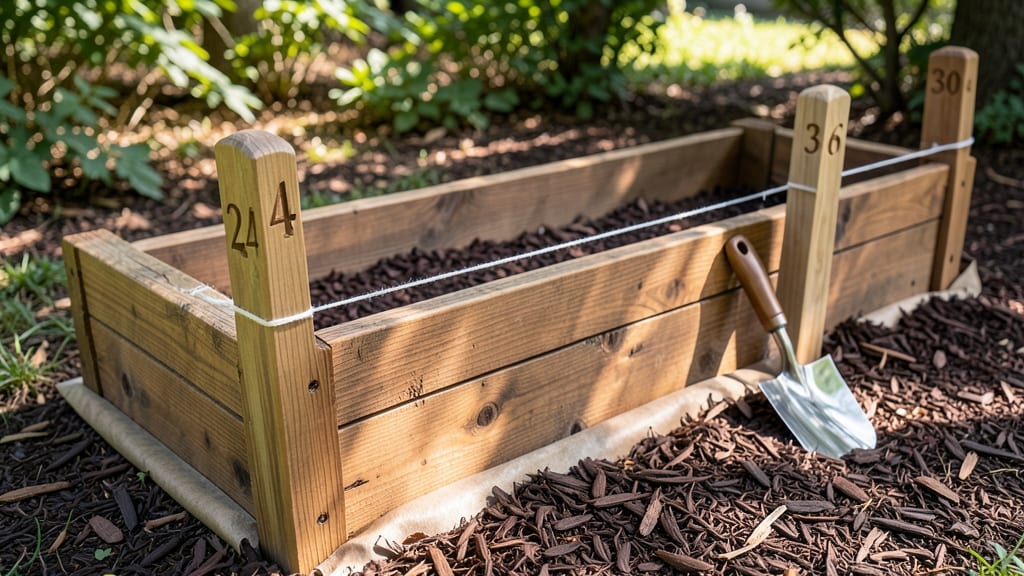
A 4-foot garden bed width is the secret to a garden that’s easy on your back and packed with plants—no more bending over or wasted space.
Struggling to maximize your garden’s productivity while avoiding backaches and wasted space? The 4-foot rule isn’t just a suggestion—it’s the sweet spot for reach, airflow, and soil health. Whether you’re planting tomatoes or herbs, this width lets you tend to your 🌱 garden from both sides without strain.
Too narrow, and you’re stuck kneeling; too wide, and the center gets neglected. But here’s the good news: with a few simple adjustments, you can design beds that work for your space, tools, and even those tall sunflowers you love.
Below, I’ll break down why 4 feet is the magic number, how to plan your layout for easy maintenance, and when to tweak the rule for special cases—so your garden stays productive and pain-free.
Why a 4-Foot garden bed width optimizes reach and plant growth
Ever wondered why most gardening experts recommend a 4-foot garden bed width?
It’s not random—this measurement balances ergonomic reach, plant health, and garden efficiency in ways wider or narrower beds simply can’t. Whether you’re tending to raised beds or in-ground plots, this width maximizes your ability to access the center without stepping on soil, which compacts it and harms roots.
The 4-foot rule also ensures even sunlight exposure across the entire bed. Plants at the edges often get more light, while those in the center can become shaded. A 4-foot width lets sunlight penetrate evenly, reducing the risk of leggy growth or uneven ripening.
Plus, it creates the perfect balance for airflow, which is critical for preventing fungal diseases like powdery mildew.
Here’s why this width works so well across different garden types:
| Factor | 4-Foot Bed Advantage | Impact on Plants |
|---|---|---|
| Ergonomic Reach | Allows access from both sides without stepping | Prevents soil compaction, promotes root growth |
| Sunlight Penetration | Even distribution across entire bed | Reduces shading, supports uniform growth |
| Air Circulation | Optimal spacing for airflow | Lowers humidity, prevents fungal diseases |
| Soil Quality | Easier to amend and maintain | Encourages healthier microbial activity |
| Pest Control | Reduces hiding spots for pests | Minimizes damage from insects and rodents |
A 4-foot width also makes soil maintenance far easier. You can comfortably reach the center to weed, harvest, or add compost without straining your back or disturbing neighboring plants. This is especially valuable in raised beds, where soil quality is already optimized but still requires regular care.
For in-ground plots, this width prevents the need for narrow pathways that waste space. Instead, you can create wider paths (at least 2 feet) between beds, making it easier to move around with tools like wheelbarrows or pruners.
This layout also reduces the risk of soil-borne diseases spreading between beds.
Let’s talk about pest control. Wider beds create more hiding spots for slugs, snails, and other pests, while narrower beds can become overcrowded. The 4-foot rule strikes the perfect balance—wide enough to accommodate most plants but narrow enough to discourage pests from taking over.
You’ll also find it easier to spot early signs of infestations, like chewed leaves or wilting plants.
One common misconception is that wider beds always mean better yields. In reality, overly wide beds (6 feet or more) force you to step on the soil, compacting it and making maintenance a chore.
Meanwhile, beds narrower than 3 feet can lead to wasted space and poor airflow. The 4-foot sweet spot ensures you’re neither overreaching nor underutilizing your garden’s potential.
If you’re growing tall crops like corn or sunflowers, you might think you need a wider bed. However, even in these cases, a 4-foot width works well if you plant them along the edges.
This keeps the center accessible for shorter plants while still allowing your tall varieties to thrive without shading everything else.
For container gardening or small spaces, you can adapt this rule by using 2-foot-wide raised beds and placing them on both sides of a central path. This mimics the same principles of reach and airflow while working within tighter constraints.
The key is always to prioritize accessibility and plant health over sheer size.
Ready to put this into practice? Start by measuring your existing beds or sketching a new layout with 4-foot widths in mind. You’ll be amazed at how much easier gardening becomes—and how much more your plants will thrive!
How to design your garden beds for perfect 4-Foot width
Designing garden beds with a 4-foot width transforms your gardening experience by balancing accessibility, plant health, and space efficiency. Whether you're working with a backyard plot, urban containers, or raised beds, this width lets you reach the center without stepping on soil—reducing compaction and saving your back.
Plus, it maximizes sunlight exposure and airflow, which are critical for preventing disease and pests.
For beginners and seasoned gardeners alike, the 4-foot rule simplifies planning. It works for most vegetables, herbs, and flowers while allowing room for pathways (typically 18–24 inches wide) between beds. Urban gardeners with limited space can still benefit by stacking beds vertically or using narrow widths with creative layouts.
Let’s break down how to apply this rule step by step for a productive, low-maintenance garden.
Step-by-Step Guide to 4-Foot Garden Beds
- Step 1: Measure your space and mark 4-foot-wide sections using stakes or string. For long beds, repeat every 4 feet with 18-inch pathways in between.
- Step 2: Plan your plant spacing based on mature sizes. Tall plants (like tomatoes or sunflowers) go on the north side to avoid shading shorter crops.
- Step 3: Group plants with similar needs (sun, water, soil) together. For example, pair basil and peppers in one bed—they thrive under the same conditions.
- Step 4: Add mulch (2–3 inches) to retain moisture and suppress weeds. Organic mulch like straw also improves soil as it breaks down.
- Step 5: Test your reach by standing on both sides of the bed. If you can comfortably stretch your arm to the center, the width is perfect.
In small spaces, like balconies or patio gardens, you can adapt the 4-foot rule by using vertical gardening or narrower beds (2–3 feet wide) with tiered planters. Just ensure you can still access the center for weeding and harvesting.
For traditional in-ground gardens, this width also makes it easier to use tools like hoes or broadforks without stepping into the bed.
Pro tip: If you’re planting large crops like corn or sunflowers, consider dedicating a separate bed or section. These plants need more space to grow and may require adjusting the width to 5–6 feet. Always prioritize air circulation—crowded plants invite pests and diseases, no matter the bed size.
Once your beds are laid out, monitor how plants perform over the season. Adjust spacing or bed width as needed, especially for fast-growing varieties or those prone to sprawling.
With the right design, your 4-foot beds will become the backbone of a high-yield, low-effort garden that’s easy on your body and your schedule.
Remember, the key to success is consistency in width and pathways. Stick to the 4-foot rule, and you’ll spend less time weeding, more time enjoying your harvest, and zero time twisting to reach the back of the bed.