
Plants
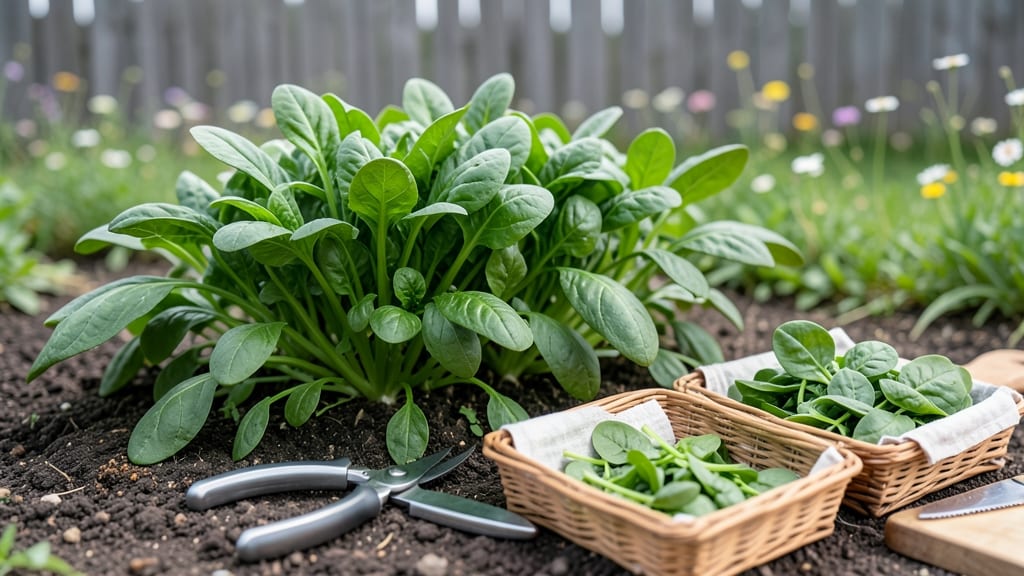
Harvesting spinach plants at the right time means tender, sweet leaves packed with flavor—wait too long, and you’re left with tough, bitter greens that even the best gardeners regret.
I’ve seen gardeners pull spinach too early, leaving tiny, underdeveloped leaves, or wait too late, watching their plants bolt into bitter stalks. The key is catching those 4-6 inch dark green leaves when they’re crisp and full of flavor—before the plant decides to flower instead.
In Zone 6a, your best windows are early spring (May-June) or fall (October-November), when temperatures stay cool. But timing isn’t just about the calendar—it’s about leaf size, texture, and even the way the stem snaps cleanly when you tug.
Below, I’ll walk you through the exact signs to look for, how to harvest without damaging regrowth, and the one mistake that turns your spinach from delicious to disappointing.


How to identify perfect spinach harvest timing by leaf size and growth stage
Harvesting spinach at the right moment transforms your garden into a flavor factory. The key lies in understanding leaf size and growth stages, which directly impact tenderness and taste. Baby leaves and mature plants have completely different harvest windows, and knowing the difference saves you from bitter, tough greens.
For baby spinach leaves, aim for harvests when leaves reach 3-6 inches long. These tender young leaves offer the sweetest flavor and delicate texture.
Mature spinach, on the other hand, should be harvested when leaves reach 6-8 inches—but watch for signs of bolting before they get too large.
Visual cues are your best friends when determining harvest timing. Look for dark green color and smooth texture—these indicate peak maturity. If leaves start to develop a yellowish tint or feel slightly fibrous, you’ve missed the window. The stem should also separate easily when gently pulled from the base.
Here’s a quick reference for spinach leaf maturity based on growth stages:
| Growth Stage | Leaf Size | Color & Texture | Harvest Tip |
|---|---|---|---|
| Seedling Stage | 1-3 inches | Light green, tender | Wait 3-4 weeks |
| Baby Leaf Stage | 3-6 inches | Dark green, crisp | Harvest outer leaves |
| Mature Leaf Stage | 6-8 inches | Deep green, slightly wrinkled | Harvest before bolting |
| Over-Mature Stage | 8+ inches | Bitter, tough, yellowing | Avoid—remove plant |
Spinach grows in two distinct phases: the vegetative stage (leaf production) and the bolting stage (flower formation). Harvesting during the vegetative stage ensures you get the most flavorful leaves.
If you notice the plant sending up a flower stalk, it’s past its prime and should be removed to redirect energy to new growth.
For continuous harvests, I recommend cutting outer leaves first while leaving the inner leaves intact. This method encourages regrowth and extends your spinach season by 2-4 weeks.
Use clean, sharp scissors or shears to avoid damaging the plant. Always harvest in the morning after dew dries for the freshest taste.
Seasonal timing also plays a role in harvest readiness. In spring, spinach matures faster due to cooler temperatures, while fall harvests may take slightly longer as days shorten. Pay attention to your local climate—spinach thrives in cool weather (40-75°F) and bolts quickly in heat over 80°F.
One common mistake I see is waiting too long for leaves to grow larger. While bigger leaves might seem more substantial, they often become tough and fibrous.
Instead, focus on leaf tenderness and color vibrancy as your primary indicators. A quick pinch test—if the leaf feels crisp and snaps easily, it’s ready for harvest.
Pro tip: If your spinach starts to bolt prematurely, try harvesting the leaves as quickly as possible and then pulling the entire plant. This prevents seed production and keeps your garden tidy. For next year, consider shade cloth or succession planting to extend your harvest window.
Mastering spinach harvest timing is all about observation and patience. With these visual cues and growth stage guidelines, you’ll enjoy a steady supply of tender, flavorful greens all season long. Happy harvesting! 🌿
Spinach harvesting mistakes that ruin flavor (and how to avoid them)
Harvesting spinach at the wrong time turns your garden's hard work into tough, bitter leaves. I've seen even the most patient gardeners ruin perfect crops by missing key timing cues. The difference between delicious baby leaves and overgrown bolting often comes down to simple mistakes we all make.
One of the biggest errors is waiting too long for leaves to reach their maximum size. While 6-8 inch leaves are ideal for some varieties, spinach's flavor peaks when harvested at 3-5 inches.
This is where many gardeners go wrong—they assume bigger always means better, but spinach's tenderness declines rapidly after this window.
Another critical mistake is harvesting during hot afternoons. Spinach wilts easily in direct sun, and cutting stressed leaves damages the plant. I always harvest early morning when leaves are crisp and hydrated, giving me the best flavor and texture for my salads.
🌱Pro Tip: Never pull entire plants—always cut individual leaves from the outer edges. This encourages continuous regrowth and gives you multiple harvests per plant.
⚠️ When to Harvest Spinach Plants (Critical Timing)
Harvest spinach when: Leaves reach 3-5 inches (baby leaves) or 6-8 inches (mature), are dark green and tender, and have a sweet aroma at the stem. Never wait until: Leaves turn yellow, feel tough, or the plant bolts (forms a flower stalk).
Seasonal windows: Spring harvest 45-60 days after planting (March-April). Fall harvest 30-45 days before first frost (August-September).
Timing your harvest with the seasons is equally important. Spinach thrives in cool weather—harvesting during spring's mild days or fall's crisp mornings gives the best results. I've found that harvesting in late afternoon shade prevents wilting while still capturing peak flavor from morning sunlight.
One often-overlooked mistake is harvesting spinach after it's been stressed by drought or heat. When plants bolt (send up flower stalks), they become bitter and fibrous. To prevent this, I always monitor my spinach's water needs and provide consistent moisture—especially during dry spells.
For continuous harvesting, follow this simple Do vs. Don't rule: DO harvest outer leaves first, leaving inner leaves to grow. DON'T cut more than 1/3 of the plant at once—this ensures regrowth and multiple harvests. My Bloomsdale spinach plants have given me 3-4 harvests per season using this method!