
Vegetables
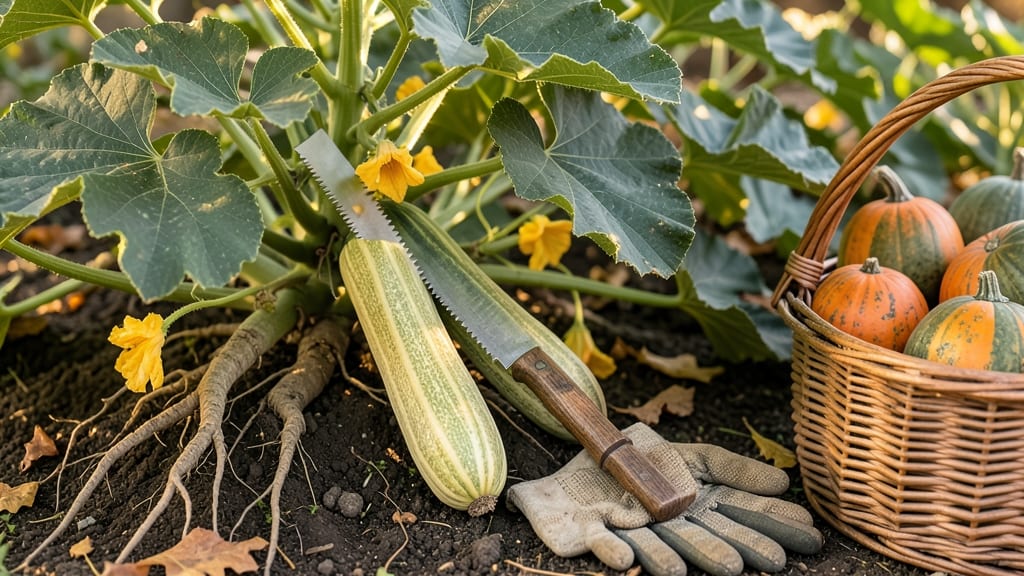
Harvesting spaghetti squash at the right time transforms a bland, stringy mess into tender, flavorful strands that taste like pasta 🎃.
Picking too early means you’ll end up with underdeveloped, rubbery strands, while waiting too long risks tough skin and wasted effort. The key is knowing when the seed color shifts from white to deep yellow and the rind hardens just enough to resist a fingernail.
Most varieties in Zone 6a are ready between 85 and 110 days, depending on heat and daylight. But the real test isn’t days on the calendar—it’s the squash’s own signals: a dull, matte skin, a slightly shriveled stem, and a satisfying weight when you lift it.
In this guide, I’ll walk you through the exact visual cues, the best time of day to harvest, and how to store your squash so it stays fresh for weeks—no guesswork, just perfect timing every time.
How to tell when spaghetti squash is ready: seed & skin visual cues
Timing your spaghetti squash harvest correctly transforms a fibrous, underdeveloped mess into a tender, golden delight with perfect strands. The key lies in three visual and tactile cues that reveal when your squash has reached peak maturity.
Ignoring these signals often leads to either immature, stringy flesh or overripe, tough skin that’s nearly impossible to cut.
Most gardeners focus on days-to-maturity charts, but environmental factors like temperature and sunlight can shift that window by weeks. For example, cooler climates may need 10-14 extra days compared to hotter regions.
Instead of guessing, I’ve found that seed color shifts, skin hardness, and stem drying provide foolproof indicators—no calendar needed.
Pro Tip: Combine these three methods for absolute confidence. A squash that checks all three boxes is guaranteed harvest-ready, while missing even one means risking subpar texture.
| Indicator | Ready Signs | Not Ready Signs | Action |
|---|---|---|---|
| Seed Color | Deep tan or cream (no green) | Green or mottled yellow-green | Harvest when seeds turn uniform tan |
| Skin Hardness | Difficult to puncture with fingernail | Soft or easily dented | Press gently—no give means ready |
| Stem Condition | Brown and dry (paper-like) | Green or flexible | Twist stem—dry break confirms ripeness |
| Weight Test | Feels heavy for size | Light or hollow-sounding | Shake gently—solid thud = perfect |
Let’s start with the seed color shift, which is often overlooked but critical. Inside a ripe spaghetti squash, the seeds should be a uniform tan or cream color.
If you see any green lingering, the squash needs more time—green seeds indicate immature starch development, leading to stringy strands. I once harvested a squash with pale green seeds, and the flesh was so fibrous I could barely scrape it!
Next, focus on skin hardness. A ripe spaghetti squash should have skin that’s too tough to puncture with your fingernail. Run your nail along the surface—if it leaves a visible dent, the squash isn’t ready.
This test works best on a sunlit side of the squash, as shaded areas may feel softer due to uneven ripening. For extra accuracy, test three spots around the squash.
The stem drying is the final checkpoint. A ready-to-harvest stem will be brown and dry to the touch, almost like crumpled paper. If you twist it gently, it should snap cleanly without tearing.
A green or flexible stem means the squash isn’t mature enough. I’ve found that stems dry out fastest in hot, dry conditions, so morning harvests often catch this cue perfectly.
Don’t forget the weight test, which ties into the seed and skin cues. A ripe squash feels surprisingly heavy for its size because the flesh is packed with developed starch. Shake it gently near your ear—you should hear a solid, deep thud, not a hollow echo.
This confirms the seeds are fully mature and the strands will be tender and abundant.
For gardeners in cooler climates (Zones 3-5), these cues may appear slightly later due to slower maturation. If your squash checks all boxes but the vines are still green, wait 3-5 more days—the skin will harden further without risking overripeness.
Conversely, in hot climates (Zones 8-10), stems may dry out faster, so monitor them daily in late summer.
One common mistake is harvesting based on size alone. A spaghetti squash can grow large but still be underripe if the skin is soft. Always combine all four indicators for the best results. I’ve seen squash the size of footballs that were completely inedible because they were harvested prematurely.
Once you’ve confirmed ripeness, harvest on a dry morning to allow the skin to dry slightly before storage. This prevents rot and extends shelf life. Store in a cool, dark place (50-55°F) for up to 2 months, or refrigerate for 3-4 months if you’re not cooking it immediately.
Mastering these visual cues will turn your spaghetti squash harvest from hit-or-miss to consistently perfect. Next time you’re staring at your squash patch wondering "Is it
Spaghetti squash harvest timing: days to maturity by variety & climate Zones
Timing your spaghetti squash harvest correctly ensures tender, flavorful strands instead of tough, fibrous disappointment. The days to maturity vary dramatically between varieties and climate zones—understanding these differences helps you plan planting and harvesting schedules with precision.
In warm climates (Zones 8-11), most varieties reach harvest readiness in 85-95 days, while cooler regions (Zones 3-7) may need 100-110 days due to slower growth. Even within the same zone, microclimates and summer temperatures can shift your harvest window by 1-2 weeks.
For gardeners in short-season climates, consider black plastic mulch or row covers to extend the growing season by 2-4 weeks. Planting fast-maturing varieties like 'Cocozelle' or 'Honey Bear' gives you the best chance to harvest before the first frost.
If you're in a cooler zone, start seeds indoors 4-6 weeks before the last frost date, then transplant seedlings outdoors. This head start can shave 10-15 days off your total growing time, bringing harvests closer to your target window.
Always monitor your squash plants for color changes and stem drying—these visual cues often trump strict day counts. When in doubt, harvest a test squash and check the strand texture; if it's still stringy, wait another 5-7 days for full maturity.