
How To
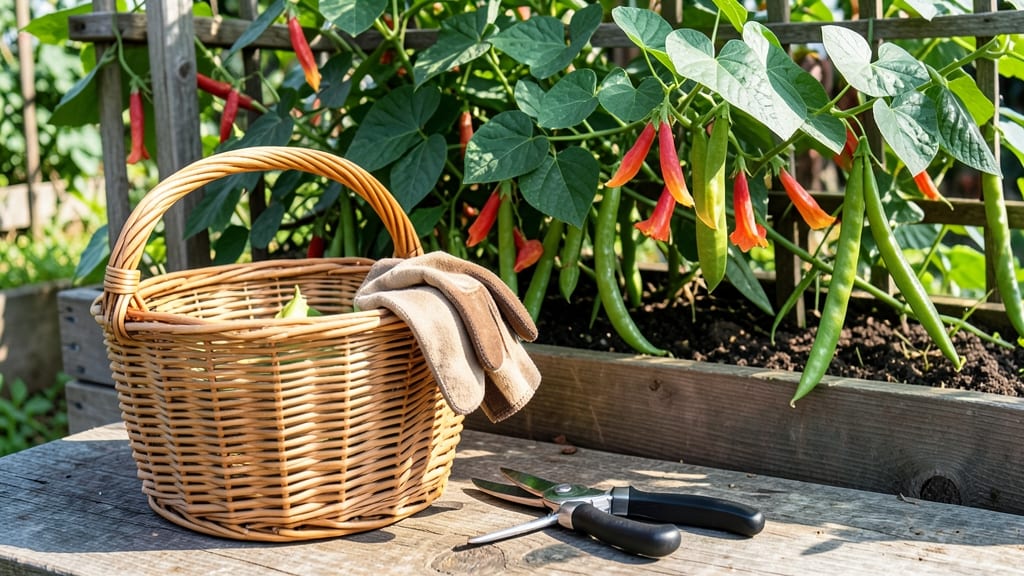
Harvesting scarlet runner beans at the right time turns tender, flavorful pods into your summer kitchen staple — and missing that window means tough, stringy failures.
Picture this: you’ve been checking those 4-inch pods every few days, and today they’re plump, bright red, and firm to the touch. That’s your cue — wait another day, and the seeds inside will harden like little marbles, ruining the texture.
I’ve learned that lesson the hard way, and I’m here to save you from the same mistake.
Timing isn’t just about size, though. Humidity, heat waves, and even morning dew can shift the perfect window by days.
Below, I’ll walk you through the visual cues that never lie, how to adjust for your local climate, and why a daily 10-minute check can mean the difference between a bumper crop and a sad handful of overripe pods.
Ready to go from guessing to knowing? You’ll leave here with a foolproof method for peak harvests every time, plus how to stretch your season so those vines keep producing until frost.


How to identify the perfect harvest timing for scarlet runner beans
Harvesting scarlet runner beans at the right moment transforms your garden into a flavorful feast. These vibrant climbers produce edible pods that go from tender and sweet to tough and fibrous in just days.
To avoid missing the window, I’ve learned to rely on three key visual cues: pod size, seed development, and pod firmness. Mastering these will ensure every harvest delivers that perfect snap and delicate texture.
Start by checking your plants every 2-3 days once pods begin forming. This frequency keeps you ahead of the curve, especially since scarlet runner beans mature quickly. The ideal harvest window opens around 60-80 days after planting, but environmental factors like temperature and sunlight can shift this timeline.
In my zone 6a garden, I’ve found pods reach peak readiness between mid-July and early September, aligning with the plant’s natural growth rhythm.
| Harvest Cue | Description | Action |
|---|---|---|
| Pod Length | 4-6 inches long | Harvest immediately |
| Seed Development | Seeds tiny or invisible | Collect pods |
| Pod Firmness | Firm but not woody | Pick for fresh use |
| Pod Color | Bright red or deep maroon | Harvest within 1-2 days |
Let’s talk about pod length first, as this is the most straightforward indicator. When pods reach 4-6 inches, they’re ready to pick. I use a small ruler to check length—this precision prevents overgrowth. In my experience, pods longer than 6 inches become fibrous and lose their delicate flavor.
The color shift from pale green to bright red or deep maroon also signals readiness, but don’t rely on color alone since some varieties may not fully darken before reaching ideal size.
Next, examine the seeds inside the pods. At peak harvest time, seeds should be tiny or nearly invisible. If you can see even small seeds, the pod has passed its prime.
I like to gently squeeze a pod between my fingers—if it feels firm but yields slightly (like a fresh green bean), it’s perfect. If it’s too soft or mushy, it’s underripe; if it’s hard and woody, you’ve missed the window.
This simple firmness test saves me from harvesting bitter, overmature pods.
Timing also depends on your climate zone. In cooler regions like mine (zone 6a), pods mature slower, so I harvest later in the season. Conversely, in warmer zones, beans may reach harvest readiness 2-3 weeks earlier.
Pay attention to your local frost dates—scarlet runner beans are sensitive to cold, so aim to harvest before the first frost hits. In my area, that means wrapping up harvests by mid-October at the latest.
For the best flavor, harvest in the morning hours when temperatures are cooler. This preserves the pods’ crispness and sweetness. I’ve noticed that beans picked in the heat of the day tend to wilt faster and lose their vibrant color.
Always use a sharp pair of pruning shears or scissors to avoid damaging the plant. Cutting pods just above a leaf node encourages more production, giving you a longer harvest season.
One pro tip I’ve picked up from fellow gardeners is to harvest regularly—every 2-3 days—to encourage continuous flowering and pod development. If you let too many pods mature on the vine, the plant will focus energy on seed production rather than new growth.
This strategy has doubled my harvest yield over the years. Plus, frequent picking keeps the plants tidy and reduces the risk of pests like bean beetles, which target overripe pods.
Don’t overlook the secondary harvest opportunities either. Once pods turn woody and seeds fully develop, you can dry them for future planting. Simply remove seeds from mature pods, dry them in a warm, well-ventilated area, and store in a cool, dark place.
These dried seeds make excellent garden starter seeds for next year’s crop. I’ve even used them in homemade flour for baking—though that’s a topic for another gardening adventure!
Finally, store your freshly harvested scarlet runner beans in the refrigerator for up to a week. For longer storage, blanch them for 2 minutes and freeze. This preserves their vibrant color and tender texture.
When cooked, these beans make a stunning addition to salads, stir-fries, or steamed dishes. Their sweet, earthy flavor pairs beautifully with herbs like cilantro or basil, making every harvest feel like a celebration.
Common mistakes that ruin scarlet runner bean harvests (and how to avoid them)
Harvesting scarlet runner beans at the wrong time can turn your lush vines into a bitter disappointment. Many gardeners unknowingly make critical errors that lead to woody pods or wasted effort. The key is recognizing these common pitfalls before they affect your yield.
One of the biggest mistakes is harvesting too late—waiting until pods turn hard and seeds darken. By then, the beans lose their tender texture and develop a tough, stringy bite. Even experienced growers sometimes overlook the ideal 4-6 inch window when pods are bright red and firm.
Another frequent error is ignoring seed development entirely. If you let seeds fully mature inside the pod, the plant will focus energy on seed production instead of producing more flowers and pods. This means fewer harvests throughout the season.
Here’s the critical mistake many make: harvesting inconsistently. Scarlet runner beans produce pods continuously, so skipping checks can mean missing the perfect moment. A daily glance at your vines ensures you catch pods at their peak.
WARNING: The 3-Day Rule for Scarlet Runner Beans
Once pods reach 4-6 inches and turn bright red, they’re ready NOW. Waiting just 3 days longer can turn tender pods into woody failures. Check vines every 2-3 days to avoid missing the window.
Many gardeners also overlook regional timing. In cooler climates, pods may mature slower, while warmer regions can produce beans faster. Adjust your harvesting schedule based on your last frost date and local growing season.
To extend your harvest, try pruning older pods while leaving younger ones to develop. This encourages continuous flowering. Also, avoid harvesting in hot afternoon sun, as pods can become rubbery. Early morning is ideal for both picking and storage.
Finally, don’t forget to save a few pods to dry for seeds if you want to grow next year’s crop. Let them fully mature on the vine—this is the only time you should ignore the "harvest early" rule! With these tips, you’ll enjoy tender, flavorful beans all season long. 🌱