
How To
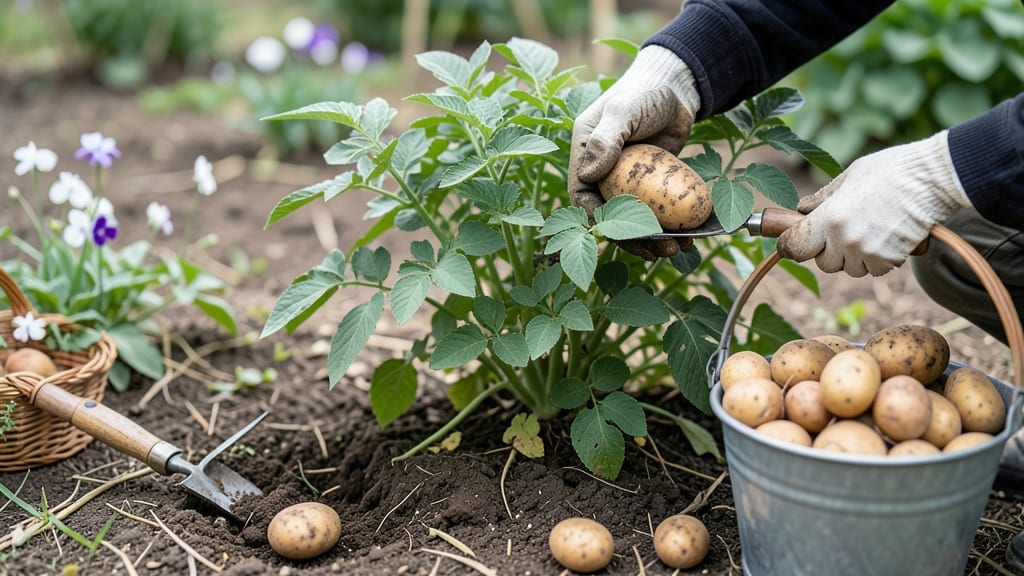
Wondering when you can finally dig into your homegrown potatoes? The harvest time varies dramatically by variety and planting season—but knowing these key factors can mean the difference between meal-ready spuds and wasted effort.
Most gardeners plant in March or April for a summer harvest, but late-season varieties planted in June might not ripen until fall. Below, I’ll break down the exact days to maturity for common types like Yukon Gold and Red Pontiac, plus the telltale signs your 🥔 are ready to pull.
You’ll also learn how to avoid digging too early (which ruins flavor) or too late (when tubers turn woody), plus storage tips to keep your crop fresh through winter.


Potato harvest times by variety: fastest to longest growing seasons
If you're eager to dig into your homegrown potatoes, timing is everything. The harvest window varies dramatically by potato variety, with some ready in as little as 60 days while others need 120 days or more.
Understanding these differences helps you plan your garden for a steady supply of fresh spuds throughout the season.
Fast-maturing varieties like Red Norland are perfect for early harvests, while Russet Burbank potatoes take nearly twice as long. Your planting month also plays a crucial role—starting too late can push harvests into fall, where frost risks become a factor.
Let’s break down the most popular varieties and their ideal harvest timelines.
| Variety | Days to Maturity | Ideal Planting Months (Zone 5-7) | Harvest Window | Best For |
|---|---|---|---|---|
| Red Norland | 60-70 days | March-April, August-September | Late June-July | Early harvests, boiling |
| Yukon Gold | 70-80 days | March-April, July-August | July-August | Buttery texture, roasting |
| Red Pontiac | 75-85 days | March-April, June-July | July-August | Storage, all-purpose |
| Fingerling (e.g., Purple Peruvian) | 80-90 days | April-May, July | August-September | Gourmet dishes, roasting |
| Russet Burbank | 100-120 days | March-April | September-October | Baking, long storage |
| Kennebec | 90-110 days | March-April, June | August-September | French fries, storage |
For early season varieties like Red Norland, you can often squeeze in a second planting in late summer for a fall harvest. These fast growers thrive when planted 8-10 weeks before your first frost date, making them ideal for short growing seasons.
Their 60-70 day maturity means you can enjoy fresh potatoes in as little as two months from planting.
Mid-season varieties like Yukon Gold and Red Pontiac strike a balance, offering a 70-85 day harvest window that works well for most gardeners. These are my go-to choices because they deliver both great flavor and versatile cooking uses.
Plant them in early spring for summer harvests or in late summer for fall crops, depending on your climate.
Longer-season varieties like Russet Burbank and Kennebec require more patience but reward you with excellent storage life and high yields. These 100+ day varieties are best planted in early spring to avoid fall frost risks.
If you live in a warmer climate, you might even get a second planting in early summer for a late fall harvest.
One pro tip: New potatoes from fast varieties can be harvested as early as 40-50 days when they reach 1-2 inches in size. Simply dig around the base of the plant and leave the rest to mature for larger tubers later.
This two-for-one approach maximizes your harvest from limited garden space.
Your local climate zone also impacts harvest timing. In cooler regions (Zones 3-4), aim for early spring planting to avoid frost damage before harvest.
Warmer zones (Zones 8+) can extend planting into late summer for fall crops, but be mindful of heat stress, which can reduce tuber quality in sensitive varieties like Yukon Gold.
For container gardening, stick to faster varieties like Red Norland or Fingerlings, as they adapt better to limited root space. Their shorter growing seasons also make them more forgiving if your season is cut short by unexpected weather.
Just ensure your containers have drainage holes and use lightweight potting mix to prevent waterlogging.
Remember, harvest timing isn’t just about days—it’s also about soil conditions and plant signals. Watch for foliage to yellow and die back, a clear sign that tubers are ready.
If you harvest too early, you’ll get small, underdeveloped potatoes, while waiting too long can lead to shriveled or diseased tubers.
Now that you know the harvest windows for your favorite varieties, you can plan your garden for a continuous potato supply all season long. Start with fast growers for early harvests, then follow up with mid and long-season varieties to keep the fresh spuds coming!
How planting month affects your potato harvest timeline
Planting potatoes in early spring versus late summer can shift your harvest window by 3-4 months. The timing directly impacts tuber development, especially for cold-hardy versus heat-sensitive varieties.
In cooler climates like Zone 5, spring-planted potatoes may yield by July, while summer-planted varieties might not mature until September or October. This shift isn’t just about timing—it’s about matching your variety’s needs to your local frost dates.
For example, Yukon Gold potatoes planted in March typically harvest in 90-100 days, landing in early June for most gardeners. But if you plant the same variety in July, you’ll likely harvest in late September—just before the first frost.
The key difference? Daylight length and soil temperatures during tuber formation. Longer daylight in summer can speed up growth, but heat stress may reduce yields if soil stays too warm.
🌱 Key Harvest Timeline Factors by Planting Month
- Spring Planting (March-April): 60-120 days to harvest. Ideal for early varieties like Red Pontiac (70 days) or Kennebec (90 days). Avoid planting too early—cold soil (45°F) can stunt growth.
- Summer Planting (June-July): 70-100 days to harvest. Best for late-season varieties like Russian Banana (100 days) or Purple Viking (90 days). Requires consistent moisture to prevent heat stress and tuber shriveling.
- Fall Planting (August-September): Not recommended for most varieties. Only cold-hardy types like Yukon Gold or Fingerlings may survive if planted 6-8 weeks before first frost. Harvest before soil temps drop below 50°F.
- Climate Zone Adjustments: In Zone 7+, extend summer planting to August for a fall harvest. In Zone 4 or colder, stick to spring planting only—summer varieties won’t mature before frost.
- Pro Tip: Use row covers for summer-planted potatoes in hot climates to protect tubers from sunscald. In cool regions, mulch heavily to insulate soil and maintain consistent temps.
Your local frost dates are the ultimate deciding factor. For instance, if your last frost is April 15, planting in March gives you a 120-day window to harvest by August 15.
But if you plant in June, you’ll only have 90 days—cutting your harvest to September 15. Always check your USDA zone and variety tags for days-to-maturity guidelines.
For example, new potatoes (like Red Norland) can be harvested in 50-60 days, while storage varieties (like Kennebec) need 100+ days.
Heat-sensitive varieties, such as Sweet Potatoes (not true potatoes but often confused), wilt in summer heat, while cold-hardy types like Adirondack Blue thrive in cooler soils. If you’re in a short-season climate, opt for early-maturing varieties and plant in late May for a July harvest.
In longer growing seasons, you can even succession plant every 2 weeks for a continuous harvest from June to September.
One common mistake is assuming all potatoes take the same time to harvest. Russet potatoes often need 100-120 days, while fingerling varieties mature in 70-90 days. Plan ahead by labeling seed potatoes with their variety and planting date.
This helps you track progress and harvest at the perfect time. For example, if you plant Yukon Gold on March 15, expect harvest-ready tubers by June 20—but if you plant Purple Peruvian on June 1, aim for September 1.
Adjust your planting schedule based on your goals: Do you want early-season potatoes for salads or late-season storage spuds? Early plantings give you smaller, tender tubers perfect for boiling, while late plantings yield larger, starchier potatoes ideal for baking.
For year-round harvests, combine spring and summer plantings—just ensure your soil stays loose and well-drained to prevent tuber rot.