
Vegetables
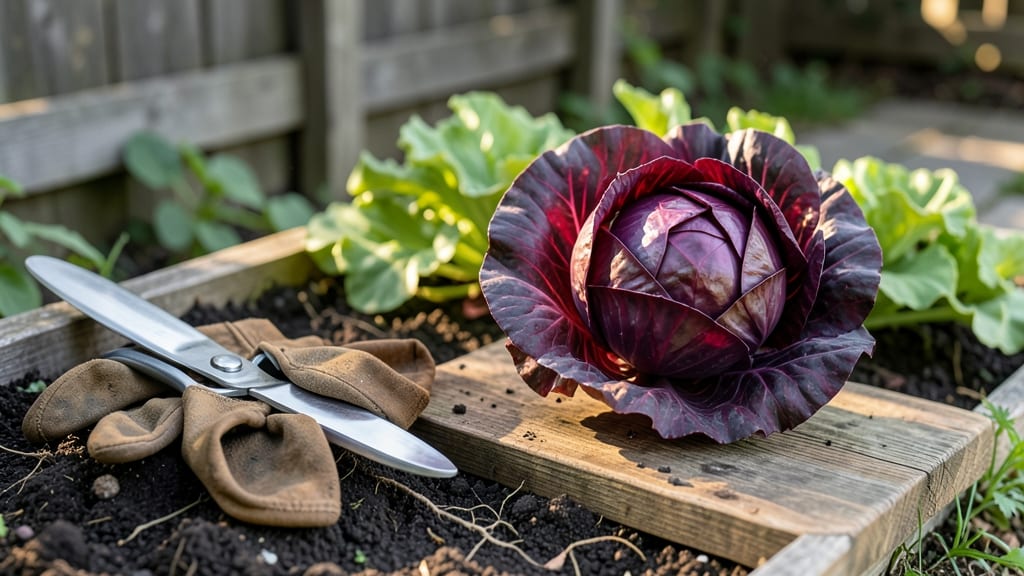
Harvest red cabbage when heads reach 6-8 inches wide and leaves stop expanding outward—this is the sweet spot for peak flavor and texture.
Picture this: you’ve nurtured your 🥬 for months, and now the moment of truth arrives. One wrong move, and you’re left with a meal that’s either too loose or bitter.
The difference between a crisp, vibrant head and a disappointing one often comes down to timing—and knowing exactly when to pull it.
Red cabbage thrives in cooler weather, but waiting too long can turn that deep purple into something dull and tough. The key is checking for firmness, vibrant color, and a compact shape—signs your plant is begging to be harvested.
Miss these cues, and you risk sacrificing the sweetness and crunch you’ve been dreaming of.
In this guide, I’ll walk you through the three tactile tests to nail the perfect harvest window, plus how to adjust for your climate zone and avoid common mistakes that ruin flavor. Ready to turn your garden into a crisp, sweet success?


How to test red cabbage maturity using 3 tactile methods
Harvesting your red cabbage at the perfect moment ensures maximum flavor and texture. Unlike green cabbage, red varieties develop a deep purple hue and a slightly sweeter taste when mature.
The key lies in using your hands to test three specific characteristics: leaf feel, head firmness, and stem color. These tactile methods help you avoid common mistakes like harvesting too early (leaving heads loose) or too late (causing bitterness).
Start by examining the outer leaves—they’re your first clue. Mature red cabbage leaves should feel slightly crisp but not brittle. If they crumble easily, your cabbage is overripe. Younger leaves should also show a deep purple tint without any yellowing at the edges.
This visual cue pairs perfectly with the tactile test to confirm readiness. I’ve found that morning harvests work best because the heads are firmer after overnight cooling.
| Method | Ready Stage | Not Ready Stage | Action |
|---|---|---|---|
| Leaf Feel | Firm, slightly crisp outer leaves | Soft, wilted, or brittle leaves | Gently squeeze leaves—resistance indicates readiness |
| Head Firmness | Solid, compact head (no loose layers) | Loose, spreading layers | Press head gently—firmness should feel like a closed umbrella |
| Stem Color | Deep green, slightly woody stem | Pale green or hollow stem | Check stem thickness—should be thick and sturdy |
The head firmness test is my go-to method because it’s foolproof. A ready-to-harvest red cabbage should feel solid and heavy for its size. To test, gently press the top of the head—if it doesn’t give at all, it’s mature.
I’ve seen gardeners mistake loose heads for readiness, but these often lack flavor. For variety, try the ‘Ruby Ball’ or ‘Red Express’—both respond well to this test and hold their color beautifully.
Don’t overlook the stem color as a final check. A mature red cabbage stem should be deep green and slightly woody to the touch. If it’s pale or hollow, the head isn’t fully developed.
I once harvested a cabbage with a pale stem and ended up with a head that was watery and bland. Pro tip: Use a sharp knife to cut the stem at a 45-degree angle—this prevents rot during storage.
Timing matters too. In cooler climates (USDA zones 3-6), aim to harvest 80-90 days after transplanting. Warmer zones (7-10) may see readiness in 60-70 days. Always harvest before the first frost, as cold temperatures turn the leaves mushy and bitter.
I’ve found that fall-planted cabbages often mature faster in mild winters, so keep an eye on your garden’s microclimate.
For container growers, maturity tests work the same, but watch for root-bound stress signs. If the head feels light or the leaves yellow prematurely, your cabbage may need repotting.
I’ve grown red cabbage in 15-gallon pots with success, but always ensure the pot has drainage holes to prevent waterlogged roots—a common issue that stunts maturity.
After harvesting, store your red cabbage in a cool, dark place (like a root cellar) to extend freshness. Whole heads last 2-3 weeks, while cut pieces keep for 5-7 days in the fridge.
For long-term storage, ferment your cabbage—its tart flavor is perfect for sauerkraut! Just remember: the sooner you use it after harvest, the sweeter the taste.
Practice these tactile tests a few times, and you’ll develop an instinct for knowing when your red cabbage is at its peak. The more you handle the plants, the easier it becomes to spot subtle maturity cues. Happy harvesting! 🥬✂️
Optimal harvest windows for red cabbage by climate Zone
Timing your red cabbage harvest by USDA climate zone ensures you enjoy the sweetest, crispiest heads possible. Since red cabbage typically matures between 60-100 days after transplanting, your local climate dictates when to expect peak ripeness—whether you're in Zone 3 with short summers or Zone 10 with extended growing seasons.
For most gardeners, the ideal harvest window falls 80 days after transplanting, but cooler climates may need 10-15 extra days while warmer zones can harvest slightly earlier.
Below, I’ve broken down the optimal harvest months by zone, plus how to adjust for early or late plantings to avoid bolting or frost damage.
| USDA Zone | Spring Planting Harvest Window | Fall Planting Harvest Window | Days to Maturity | Key Adjustment |
|---|---|---|---|---|
| 3-5 | Late July - Early August | September - October | 90-100 days | Plant early spring; use row covers |
| 6-7 | June - July | September - October | 80-90 days | Standard timing; monitor heat stress |
| 8-9 | May - June | August - September | 70-80 days | Avoid summer planting; opt for fall |
| 10-11 | April - May | July - August | 60-70 days | Extend season with shade cloth |
If you’re planting early spring in cooler zones (like Zone 3-5), aim to transplant by late April to harvest before summer heat sets in. In contrast, gardeners in Zone 8-10 can often get away with fall plantings in August for a late-season harvest.
The key is to avoid extreme heat (above 85°F), which causes bolting, and early frosts, which turn heads mushy.
For late plantings, reduce your target days to maturity by 10-15 days—for example, if you transplant in mid-July, expect harvests in early September instead of late October. Always check leaf color and head firmness as your final cues, since these override calendar-based estimates.
Pro tip: In Zone 6-7, where summers are hot but winters are cold, I’ve had the most success with two plantings—one in early spring and another in mid-summer—to spread out the harvest and avoid glut.
This also lets me enjoy fresh red cabbage in both summer and fall, maximizing my garden’s productivity.
Remember, red cabbage’s flavor and texture peak when harvested at the right time. Waiting too long leads to bitterness, while harvesting too early means small, underdeveloped heads.
Use the table above as your guide, but always trust your tactile tests—firmness, color, and leaf condition—to make the final call.