
How To
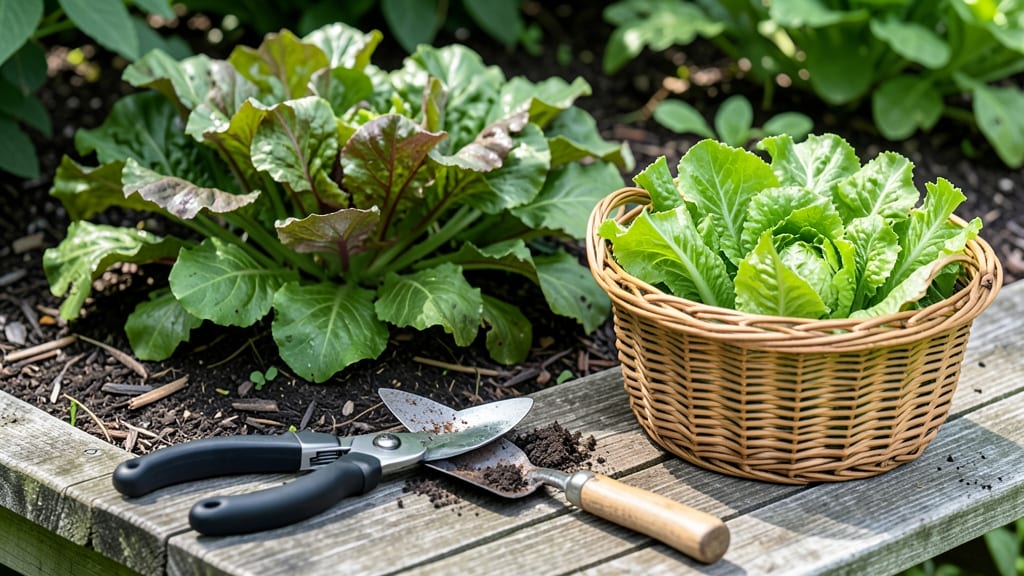
Harvesting loose leaf lettuce 🥬 at the right time transforms your garden into a crisp, flavorful salad bar—no bitter aftertaste required.
Picture this: you’ve nurtured your loose leaf lettuce for weeks, only to pull a leaf that’s either still tiny or already tough and bitter. That’s the frustration of timing it wrong, and it’s easier to fix than you think.
The secret? A simple 3-finger press test tells you exactly when leaves are ready—crisp, vibrant, and perfect for your next meal. Master this trick, and you’ll avoid the two biggest mistakes: harvesting too early (tiny leaves) or too late (bolted, bitter greens).
Below, I’ll walk you through the finger test, the best cutting techniques for regrowth, and how to store your harvest so it stays fresh longer. No more wasted effort—just restaurant-quality greens, straight from your garden.


The 3-Finger press test: when to harvest for optimal flavor and texture
Determining the perfect time to harvest loose leaf lettuce can feel like guessing—until you learn the 3-finger press test. This simple method helps you identify when leaves are at their peak crispness and flavor, avoiding the bitter taste that signals overgrowth.
Whether you're growing buttercrunch, romaine, or oakleaf varieties, this tactile trick saves you from harvesting too early or too late.
Loose leaf lettuce thrives on continuous harvesting, but timing matters. Leaves harvested too early are small and tender, while waiting too long turns them bitter and tough.
The 3-finger test bridges this gap by giving you a physical cue for ideal maturity. Master this technique, and you’ll enjoy restaurant-quality greens straight from your garden.
Before you begin, gather these essentials: a sharp pair of scissors or pruners, a small bowl for harvested leaves, and a sunny day to work. The test itself requires nothing but your fingers and a little patience.
Start by selecting the outermost leaves of your lettuce plant—these are the first to reach maturity and the safest to harvest without harming the plant.
Step-by-Step: The 3-Finger Press Test
-
Step 1: Select a Leaf
Choose a fully grown outer leaf (4-6 inches long) from the base of the plant. Avoid leaves that are still curled or pale. -
Step 2: Grip the Stem
Hold the leaf’s stem end between your thumb and index finger, leaving about 1 inch of stem exposed. -
Step 3: Apply Gentle Pressure
Use your middle finger to press the leaf 1 inch from the stem. Apply light pressure—just enough to feel resistance. -
Step 4: Assess the Feel
- Firm Resistance: Leaf is crisp and mature—ready to harvest! 🟢
- Soft or Mushy: Leaf is overripe or bolting (bitter). Harvest immediately to salvage flavor. 🟡
- No Resistance: Leaf is underdeveloped. Wait 2-3 days and retest. 🌱
-
Step 5: Harvest with Precision
Use clean scissors to cut the leaf 1/4 inch above the base. This encourages regrowth without damaging the plant’s center.
Pro Tip: Harvest in the morning after dew has dried. Leaves are crispest then and less likely to wilt during handling.
Understanding the visual cues alongside the finger test ensures you never miss the window for perfect lettuce. Look for deep, vibrant colors—dark green for butterhead, rich red for romaine, or purple hues in oakleaf varieties.
These colors indicate optimal sugar content and crispness. Conversely, pale or yellowing leaves signal nutrient deficiency or overmaturity.
If you harvest too early, your leaves will be small and delicate, lacking the bold flavor you crave. These leaves are perfect for microgreens or garnishes but won’t hold up well in salads. On the other hand, overgrown lettuce develops a bitter taste due to bolting (flowering).
This happens when lettuce senses heat stress or day length changes, triggering a survival mechanism that turns leaves tough and bitter.
To avoid bolting, keep your lettuce well-watered and shaded during hot afternoons. Use shade cloth if temperatures exceed 85°F (29°C). Additionally, cut-and-come-again harvesting—removing outer leaves as they mature—encourages the plant to focus energy on producing new, tender growth rather than flowering.
This method extends your harvest season by 4-6 weeks compared to harvesting the whole head at once.
For continuous harvests, aim to remove 1/3 of the plant’s outer leaves every 2-3 weeks. This balance prevents overgrowth while giving the plant enough energy to regenerate. If you notice tall, leggy stems with small leaves, your plant is stretching for light.
Thin seedlings to 12 inches apart and provide partial shade to correct this issue.
Once you’ve mastered the 3-finger press test, you’ll never again wonder whether your lettuce is ready. This method transforms harvesting from a guessing game into a reliable skill, ensuring every bite of your homegrown greens is crisp, sweet, and free of bitterness.
Plus, the satisfaction of knowing exactly when to pick your lettuce makes gardening even more rewarding! 🌱
Harvesting techniques: cutting vs. pinching for continuous yield
When harvesting loose leaf lettuce, the method you choose can mean the difference between a single harvest and a continuous yield all season. Both cutting and pinching have their place, depending on your goals and the lettuce variety you're growing.
Let's break down the best approaches for each technique to maximize your harvest without stressing your plants.
For cut-and-come-again varieties, the cutting method is ideal. This involves harvesting the outer leaves at their base, leaving the inner rosette intact. This encourages regrowth, giving you multiple harvests over weeks.
The key is to never remove more than one-third of the plant at a time to avoid shocking the lettuce and stunting future growth.
On the other hand, selective pinching is perfect for baby leaf varieties or when you want to shape the plant. Pinching involves gently removing the tips of the largest leaves with your fingers, which redirects energy to smaller leaves, creating a bushier, more uniform plant.
This method is gentler and works well for container-grown lettuce where space is limited.
| Method | Best For | Tools Needed | Frequency | Regrowth Impact |
|---|---|---|---|---|
| Cutting | Cut-and-come-again varieties | Clean scissors or pruning shears | Every 2-3 weeks | Encourages robust regrowth |
| Pinching | Baby leaf varieties or shaping | Fingers or small pruners | Every 1-2 weeks | Promotes bushier growth |
To avoid stressing your lettuce plants, always use clean, sharp tools when cutting. Dull blades can crush stems, leading to disease entry points and slower recovery.
For pinching, use your fingers to gently snap off the leaf tips just above a leaf node. This encourages new growth from that point.
Harvesting frequency plays a critical role in regrowth. If you harvest too often, the plant may bolt or produce bitter leaves. Conversely, waiting too long can lead to overmature leaves that are tough and less flavorful.
Aim to harvest when the outer leaves reach 4-6 inches in length, ensuring the inner leaves remain protected for future growth.
For continuous yield, combine both methods. Start with selective pinching to shape young plants, then switch to cutting as they mature. This dual approach keeps your lettuce productive and your harvests abundant throughout the growing season.
Just remember to always leave the heart of the plant intact to keep the cycle going.