
How To
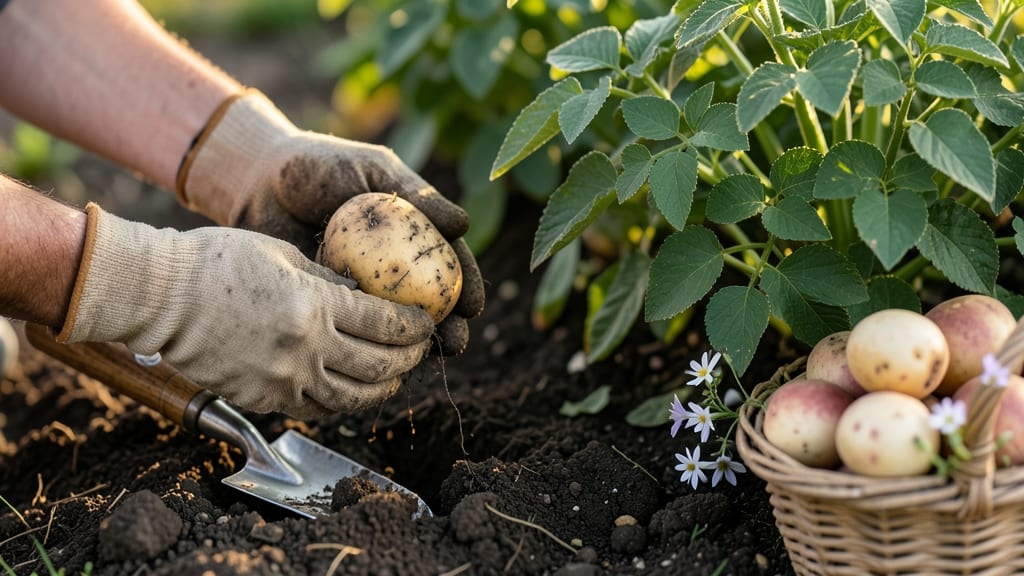
Harvesting potatoes in Texas depends on soil temperatures, plant signals, and regional heat waves—get it wrong, and you risk shriveling tubers or missing peak flavor.
Timing your potato harvest isn’t just about waiting for green tops—it’s about understanding soil temperatures between 50-60°F, regional variations, and plant signals that guarantee tubers packed with starch. In Texas, where heat arrives early, missing this window means smaller yields or even inedible tubers.
North Texas gardeners should watch for foliage yellowing and flower wilting by late April, while South Texas growers may harvest as early as January.
Below, I’ll break down the exact cues to look for, how to adjust for early vs. late varieties, and what to do if a heatwave hits before your potatoes are ready.
You’ll also learn how to dig without damaging tubers, store them properly, and spot the difference between edible and inedible harvests—so you can enjoy homegrown 🥔 all season long.


Texas-specific soil temperature triggers for harvesting potatoes
Harvesting potatoes in Texas requires careful attention to soil temperature, which directly impacts tuber quality and yield. Unlike cooler climates, Texas gardeners must account for heat stress and regional variations—North Texas’ 50-60°F soil triggers differ from South Texas’ warmer climates.
The ideal harvest window shifts based on these temperatures, often compressed by summer heat.
Potatoes thrive when soil temperatures hover between 50-60°F—the sweet spot for tuber formation. In Texas, this means spring and fall plantings align with cooler months, while summer heat forces earlier harvests. West Texas drought can accelerate timing, shrinking the window between planting and harvest.
Monitoring these conditions ensures you don’t miss peak flavor or risk green tubers from heat stress.
To monitor soil temperature accurately, invest in a soil thermometer or use a digital probe inserted 4-6 inches deep. In North Texas, aim for 50-60°F before harvesting—this ensures tubers are fully developed but not overripe.
South Texas gardeners should watch for 60-70°F, as higher temps can lead to shriveled potatoes or green skin from sunlight exposure.
Drought in West Texas changes the game entirely. When soil cracks and foliage wilts prematurely, harvest 2-3 weeks early to salvage tubers. This region’s low humidity and intense sun force potatoes to mature faster, so don’t wait for traditional signals like leaf yellowing.
Instead, dig when the soil is dry and tubers feel firm to the touch.
Regional heat waves also play a role. If temperatures exceed 85°F for 3+ days, potatoes may stop producing tubers and focus on survival. In this case, harvest immediately—even if foliage isn’t fully yellow—to prevent tuber shrinkage.
Use a shade cloth during peak heat to protect plants and extend the harvest window.
For fall plantings, Texas gardeners can push harvests later by choosing longer-season varieties like Yukon Gold. These tolerate cooler soil temps better than early varieties.
However, in South Texas, even fall plantings may need to be harvested by January to avoid freeze damage or soil compaction from winter rains.
Pro tip: Test tuber readiness by gently pressing a thumbnail into the soil near the plant. If the skin resists and feels thick, it’s time to harvest. In rocky Texas soil, use a hand fork to avoid damaging tubers—this is especially critical in North Texas’ clay-heavy regions.
Remember, soil temperature is just one piece of the puzzle. Combine it with plant signals (like flower wilting) and regional heat patterns to nail your Texas potato harvest. Get it right, and you’ll enjoy homegrown spuds packed with flavor—no shriveling or bitterness in sight! 🌱
Visual and physical signs your Texas potatoes are ready to harvest
Knowing when to harvest your Texas potatoes depends on more than just counting days after planting. The climate variations across Texas—from North to South—mean you’ll need to watch for specific plant signals that confirm tubers are ready.
Early varieties like Red LaSoda may show signs sooner than late-season Yukon Gold, so adjusting your approach based on your variety is key.
Start by observing the flowering stage of your potato plants. When blossoms wilt and begin to drop, it’s a clear indication that the plant is redirecting energy to tuber development.
This is your first visual cue that harvest time is approaching. Pair this with other physical signs to avoid harvesting too early or too late.
📌 5 Key Harvest Cues for Texas Potatoes
- 1 Flower wilting: Blossoms turn brown and drop off.
- 2 Leaf yellowing: Lower leaves yellow and die back, progressing upward.
- 3 Stem end color: The stem end turns yellow or brown (not green).
- 4 Tuber firmness: Press a thumbnail into the soil—if it resists, tubers are ready.
- 5 Soil dryness: Top 2 inches of soil are dry, signaling tubers have stopped growing.
For early varieties like Red LaSoda, you might spot these signs as early as 70 days after planting, especially in North Texas where cooler springs delay heat stress. In contrast, Yukon Gold or Russet varieties may take up to 120 days, so monitor their progress closely.
If you’re in South Texas, where heat arrives earlier, watch for accelerated wilting due to drought stress.
Don’t rely solely on visual cues—perform a firmness test by gently probing the soil with your fingers. Ready tubers should feel firm and resist slight pressure.
If they’re still small or soft, wait another 1-2 weeks. Overharvesting can lead to green potatoes, which contain toxic solanine, so timing is everything.
Adjust your harvest schedule based on your Texas region. In North Texas, aim for late April to early June for spring plantings, while South Texas gardeners should harvest between January and March for fall plantings.
Always prioritize soil temperature—ideal harvest temps hover around 50-60°F, so time your harvest before summer heat peaks.
Once you’ve confirmed your potatoes are ready, handle them with care to avoid bruising. Cure them in a dark, dry place for 1-2 weeks to develop thicker skins and improve flavor. Store in a cool, humidity-controlled environment to keep them fresh for months.