
How To
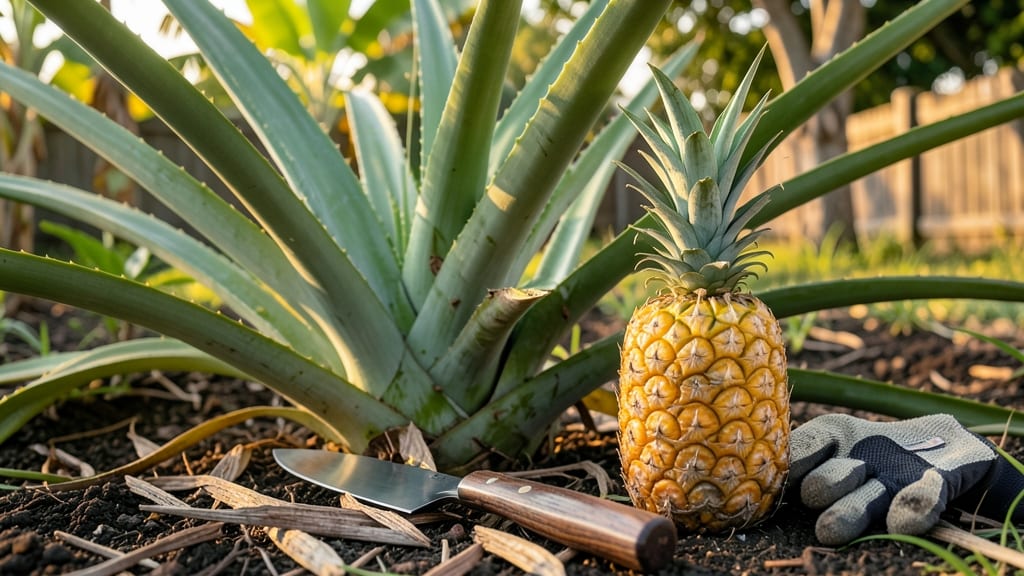
Harvesting pineapple at the right time means the difference between a burst of tropical sweetness and a bland, underripe disappointment.
Picking too early means sacrificing flavor—so knowing exactly when to harvest is the secret to a perfect, juicy fruit straight from your garden. One wrong move, and you’re left with a tough, sour fruit that’s barely recognizable as the golden treasure it could have been.
Luckily, there are clear visual and physical cues—like leaf color changes, a sweet aroma, and the famous squeeze test—that tell you when your pineapple is ready. These tricks work whether you’re growing in a warm climate or coaxing fruit indoors in cooler zones.
Below, I’ll walk you through the step-by-step signs of ripeness, climate-specific timing, and how to handle your harvest so every bite is packed with flavor.


How to tell when a pineapple is ripe for harvesting using the squeeze test
The squeeze test is the most reliable way to determine if your homegrown pineapple is ready for harvest. Unlike store-bought fruit, homegrown pineapples ripen on the plant, and their texture changes dramatically when they reach peak sweetness.
If you harvest too early, you'll get a tart, underripe fruit—if you wait too long, the fruit can become mushy and lose flavor. The key is learning to feel the right balance of firmness and slight give.
Start by examining the pineapple's base where it meets the stem. A ripe pineapple will have a golden-yellow color at the base, and the skin will feel slightly rougher than when it was green.
The stem itself should begin to brown and dry out—this is a natural sign that sugars are concentrating in the fruit. Don't ignore these visual cues; they're your first clues that the squeeze test is coming soon.
Now, let's dive into the step-by-step squeeze test that will give you the confidence to harvest at the perfect moment. This method works for both tropical climates and container-grown pineapples in cooler regions. The goal is to find that slight give that signals peak ripeness without crossing into overripe territory.
Step-by-Step Squeeze Test for Pineapple Ripeness
- Step 1: Gently grasp the pineapple near its middle, avoiding the stem and base.
- Step 2: Apply light pressure with your thumb and fingers—imagine you're gently squeezing a stress ball.
- Step 3: Look for slight give (about 1/4 inch movement) but no deep indentations.
- Step 4: Check the stem—it should pull away easily from the fruit (but don't yank it yet!).
- Step 5: If the fruit feels too firm, wait 2-3 days and test again. If it feels mushy, it's overripe.
🌱 Pro Tip: Test at the same time each day for consistency.
The stem's behavior is another critical factor in the squeeze test. When you gently tug the stem, it should come away from the fruit with minimal resistance. This separation indicates the pineapple's sugars have fully developed.
If the stem resists or tears the fruit, it's not ready yet. Conversely, if the stem falls off with almost no tugging, the pineapple may be overripe.
A common mistake gardeners make is over-relying on color alone. While a golden-yellow base is a good sign, some pineapple varieties stay green until ripe. That's why the squeeze test is non-negotiable—it accounts for variations in sunlight exposure, watering patterns, and even the specific pineapple cultivar you're growing.
For example, 'Sugarloaf' varieties might feel firmer at peak ripeness than 'Queen' varieties.
Temperature plays a surprising role in the squeeze test's accuracy. In hotter climates, pineapples ripen faster, and the fruit may feel ready sooner than in cooler microclimates. If you're growing pineapples in containers, they'll typically ripen 1-2 weeks later than their in-ground counterparts due to temperature fluctuations.
Always adjust your expectations based on your local growing conditions.
One of the biggest red flags is a sour or fermented smell near the stem. This indicates the pineapple has gone past its prime and is developing off-flavors. If you detect this aroma during your squeeze test, it's time to harvest immediately—even if the fruit still feels slightly firm.
The sweet pineapple fragrance, on the other hand, is your green light to proceed with harvesting.
After performing the squeeze test, give your pineapple a final visual inspection. The leaves at the base should be browning and dying back, while the fruit itself should have a uniform color without green patches.
If you see white or pinkish hues developing, this is another sign of ripeness—these colors appear as the fruit's sugars break down into simple carbohydrates.
Remember, the squeeze test is a skill that improves with practice. Your first few harvests might be slightly off, but you'll quickly develop a feel for the perfect balance between firmness and give.
Once you master this technique, you'll consistently enjoy pineapples that are sweeter, juicier, and more flavorful than anything you'd find in a grocery store.
Now that you've perfected the squeeze test, you're ready to harvest your pineapple with confidence. The next step is to cut the fruit from the plant using a clean, sharp knife, leaving about 1-2 inches of stem attached.
This stem helps the pineapple ripen further after harvest, ensuring maximum sweetness when you're ready to enjoy it.
Leaf color and smell: 3 visual clues to harvest pineapple at peak sweetness
Harvesting pineapple at the perfect moment transforms a good fruit into an exceptionally sweet one. While the squeeze test is useful, your pineapple plant's leaves and fragrance reveal hidden clues about ripeness. These visual and olfactory cues help you pinpoint the ideal harvest window for maximum sugar content.
Most gardeners focus only on fruit firmness, but the leaf color changes and aroma intensity are equally important. A pineapple's leaves undergo noticeable transformations when the fruit reaches peak sweetness. Ignoring these signals often leads to harvesting too early or too late—both of which compromise flavor.
🌱 3 Key Visual Clues to Harvest Pineapple at Peak Ripeness
- 1 Brown Leaf Tips: 50-70% of leaves develop crispy brown edges while the rest stay green. This indicates the plant is redirecting nutrients to the fruit.
- 2 Sweet Aroma: A fruity, tropical scent (like pineapple or honey) emanates from the base when you gently crush a leaf. This means enzymes are converting starch to sugar in the fruit.
- 3 Yellowing Base: The lower 1/3 of the fruit turns from green to pale yellow. This color shift signals the fruit's internal sugars have fully developed.
When you spot all three clues together, your pineapple is ready for harvest within 24-48 hours. Wait too long, and the fruit may become overripe with mushy texture. The brown leaf tips are particularly telling—this is your plant's way of saying, "It's time!"
Pro tip: Check these signs in the morning sunlight when aromas are strongest. The sweet fragrance becomes more pronounced in warm conditions, making it easier to detect. If you're unsure, harvest slightly earlier—pineapples continue ripening after picking, though not as dramatically as some fruits.
Remember, patience pays off with pineapples. A fruit harvested at peak ripeness will have 30-50% more sugar than one picked prematurely. The leaf color changes and aroma intensity work together like nature's quality control system—don't ignore them!