
Vegetables
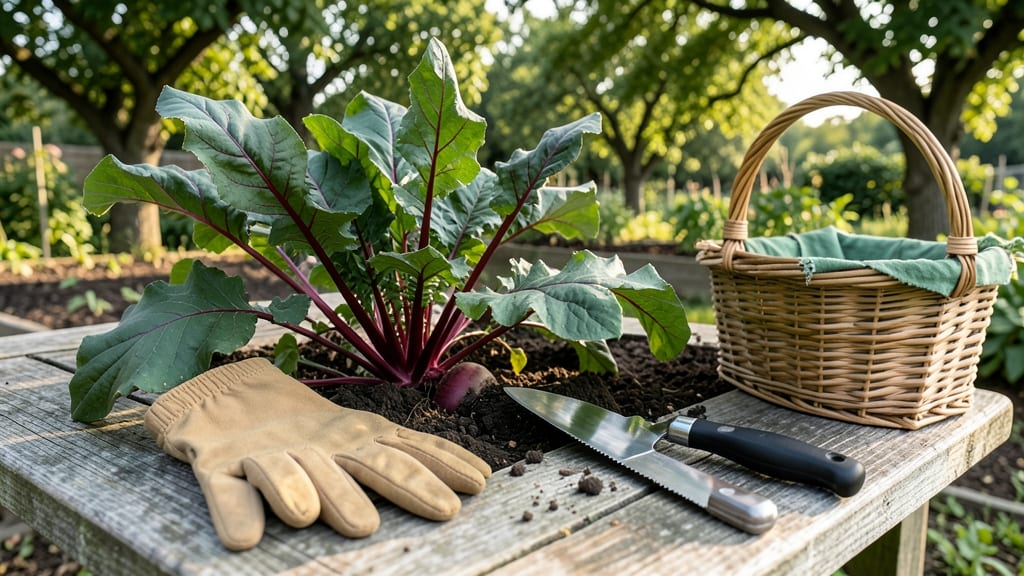
Harvesting beetroot at the right time means the difference between sweet, tender roots and tough, bitter ones — and the key is knowing when to pull them.
Picture this: you’ve nurtured your 🍠 for weeks, only to dig up a woody mess because you waited too long. Or worse, tiny, underdeveloped roots that taste like dirt. The secret? A simple fingerwidth check and a few other telltale signs that most gardeners miss.
In this guide, I’ll walk you through the exact visual cues and timing tricks to harvest beetroot at peak sweetness, whether you’re growing Detroit Dark Red or striped Chioggia.
You’ll also learn how soil temperature and variety affect your harvest window—and how to avoid the two biggest mistakes that ruin flavor.
Ready to go from guessing to perfect timing? Let’s get started with the three fingerwidth checks that will change how you harvest beetroot forever.


How to use the fingerwidth method for beetroot harvest timing
The fingerwidth method is my go-to trick for determining when beetroots are perfectly ripe. This simple test compares your beetroot's diameter to your thumb or index finger for foolproof timing.
The beauty of this method is that it works for both baby beets and full-sized storage varieties, giving you flexibility in the garden.
Start checking your beetroots about 50 days after planting, when they've had enough time to develop. For baby beets, aim for a diameter matching your index finger (about 1-2 inches).
For larger storage beets, wait until they reach your thumb width (around 3-4 inches). The fingerwidth method accounts for natural size variations between beet varieties.
| Beetroot Size | Fingerwidth Reference | Ideal Harvest Time | Flavor Profile |
|---|---|---|---|
| 1-2 inches | Index finger | Baby beets (50-60 days) | Sweet, tender, delicate |
| 2-3 inches | Thumb base | Standard beets (60-70 days) | Earthy, balanced sweetness |
| 3-4 inches | Thumb width | Storage beets (70+ days) | Deep flavor, firm texture |
Soil conditions dramatically affect when you should harvest using the fingerwidth method. In cool spring soil (below 65°F), beetroots grow slower, so they may take 10-14 days longer to reach the same size compared to warm summer soil.
For example, a beet that matches your thumb in summer might need two weeks more in spring to reach that same diameter.
Don't forget to check the shoulder of the beet where it meets the soil. If you see a white or brown ring (called the "shoulder"), that's a clear sign the beet has reached maturity.
This visual cue works alongside the fingerwidth test to confirm perfect harvest timing. The shoulder develops as the beet pushes through the soil, indicating it's fully formed.
For sandy soils, beets often grow faster, so you might harvest 5-7 days earlier than the fingerwidth method suggests. In contrast, clay soils slow growth, potentially delaying harvest by a similar timeframe. Always dig up one test beet to check its size and texture before harvesting the entire patch.
When using the fingerwidth method, I always harvest in the morning after watering. This makes the soil easier to work with and ensures the beets are plump and flavorful.
Gently loosen the soil around the beet with your fingers or a small trowel, then grasp the leafy top and pull upward. The root should come out cleanly with minimal resistance.
One common mistake is waiting too long after the fingerwidth test suggests harvest time. Beets that grow beyond their ideal size become woody and tough. Their skin also thickens, making them less tender.
For storage varieties, you can let them grow slightly larger (up to 4-5 inches), but even these benefit from being harvested at the thumb-width stage for peak sweetness.
If you're growing Chioggia beets (the candy-striped variety), use the fingerwidth method but harvest when the stripes are clearly visible through the skin. Their unique pattern makes them perfect for checking with your thumb—you'll know they're ready when the rings are fully developed and the beet matches your finger's width.
Remember that drought stress can make beets grow smaller and tougher, while excess moisture leads to larger but watery roots. The fingerwidth method works best when your beets are growing in consistently moist but well-draining soil.
Aim for about 1 inch of water per week during the growing season to maintain ideal conditions.
Signs of overripe vs underripe beetroot: what to watch for
Beetroots are finicky about timing—harvest too early, and you’ll get tiny, bitter roots. Wait too long, and they’ll turn woody. The key is knowing the subtle visual and tactile cues that signal perfect readiness.
I’ve learned to watch for leaf color shifts, root size, and even how the soil feels around them.
Start by checking the top leaves. Healthy beet greens should be vibrant and glossy, but if they start yellowing or wilting, that’s a red flag. Meanwhile, the root size is your best indicator—aim for 1-3 inches in diameter for tender beets.
Smaller than that, and they’re underripe; larger, and they risk becoming tough.
🚨 Harvest Too Late = Woody Beets!
Overripe beetroots develop a hard, fibrous texture and lose their sweetness. Watch for these warning signs:
- 🔹 Leaves turn yellow or bolt upward (sign of stress)
- 🔹 Roots exceed 3 inches in diameter (become tough)
- 🔹 Stem snaps with resistance (not a clean break)
Pro Tip: Harvest in morning sunlight when soil is moist for the cleanest cuts.
Don’t overlook the stem at the soil line. When it turns white or brown, that’s your cue—the beet is ready. If it’s still green, give it more time. Also, press the root gently: it should feel firm and smooth, not spongy or gritty.
Weather plays a sneaky role too. Hot, dry spells can make beets mature faster, while cool, wet seasons slow growth. If your area’s had a heatwave, check roots earlier. Conversely, in rainy springs, they may need extra time to reach harvest size.
For storage beets (like Detroit Dark Red), let them grow larger—up to 4 inches—but don’t delay beyond 70 days after planting. Overripe beets split easily and attract pests, so stay vigilant with your harvest timing.
Remember: the best beetroots are firm, deep-colored, and free of blemishes. With practice, you’ll spot the perfect moment—no guesswork needed. Happy digging! 🌱