
Plants
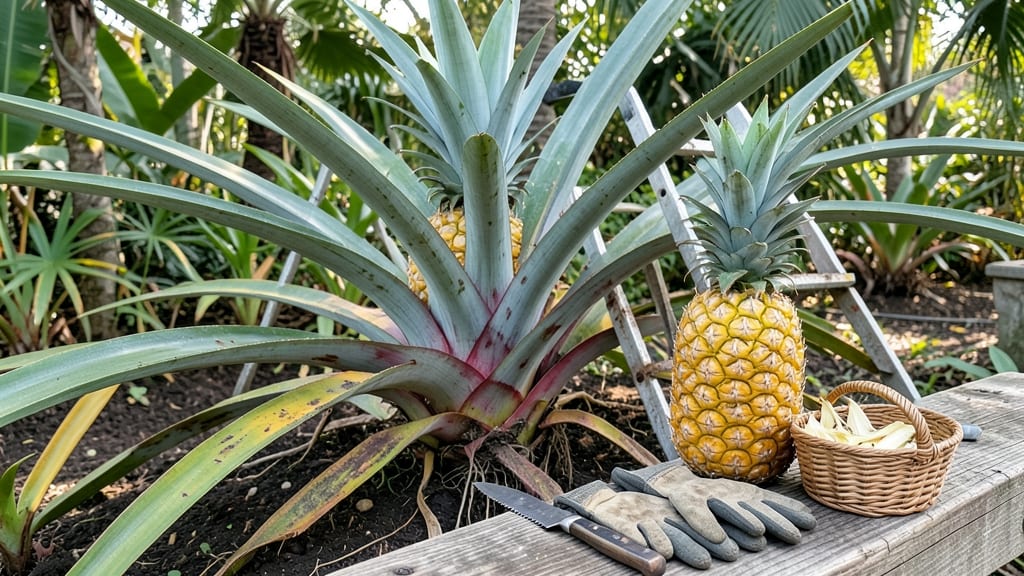
Harvesting a pineapple plant at the right time means the difference between a burst of tropical sweetness and a mealy, underripe disappointment. 🍍
Pineapple plants are a tropical gardener’s pride—but knowing exactly when to pick your pineapple isn’t just about waiting for it to turn yellow. It’s about mastering three simple tactile tests that reveal peak ripeness, from the slip of the fruit in your hand to the scent at its base.
In General (Tropical/Subtropical) zones like 10-12, where these plants thrive, timing matters even more. A pineapple that ripens too soon on the vine will lack flavor, while one left too long risks spoiling before you can enjoy it.
Here, I’ll walk you through the three foolproof tests to determine when your pineapple is ready—plus how to care for it after the harvest so you can savor every slice.


3 Tactile tests to determine pineapple ripeness before harvesting
Harvesting a pineapple at the perfect moment transforms your tropical garden into a sweet, juicy victory. But how do you know when that golden-yellow or deep-red fruit is truly ready? Relying solely on color can trick you—some varieties stay green until fully ripe!
Instead, use these three tactile tests to assess sugar development and structural maturity with your hands and eyes. These methods work for homegrown pineapples in USDA Zones 10-12 and container gardens.
Why tactile tests? Pineapples don’t ripen further after harvest like bananas or tomatoes. Once picked, their sweetness and texture are locked in. The slip test, leaf pull, and base color shift reveal clues about internal sugar levels and cell structure that visual cues alone miss.
I’ve used these tests for years in my subtropical garden, and they’ve never failed to deliver a perfectly ripe pineapple with intense sweetness and tender flesh.
- 1. The Slip Test: Gently grasp the pineapple near the base and give it a light twist. If it slips free with minimal resistance, it’s ready. Resistance means it needs more time.
- 2. The Leaf Pull: Tug on the bottom leaves near the fruit. If they come off easily and the stem feels dry and papery, the pineapple is ripe. Green, firm leaves mean it’s not ready.
- 3. The Base Color Shift: Check the fruit’s base (where it meets the plant). A yellow or brown hue signals ripeness. If it’s still green or white, wait a few more weeks.
🌱 Pro Tip: Combine all three tests for 100% accuracy—one test alone isn’t foolproof.
Let’s start with the slip test, my favorite because it’s the most reliable. Pineapples develop a natural separation layer between the fruit and the plant as they ripen. When you twist the fruit gently, this layer allows it to detach effortlessly.
I’ve seen gardeners mistake a slightly firm grip for unripeness—don’t! A ripe pineapple should feel like it’s begging to be picked. If it resists, give it another 5-7 days in warm conditions.
The leaf pull test is where many growers go wrong. They assume all leaves must stay green, but the bottom leaves near the fruit are the key. These leaves should yellow and crisp like dried paper. Pull one gently—if it snaps off cleanly, your pineapple is ready.
I once harvested a pineapple with vibrant green leaves, only to find it tart and underripe. The lesson? Focus on the lowest leaves, not the entire plant.
Don’t overlook the base color shift, which often gets overlooked in favor of the fruit’s top color. The bottom half of the pineapple changes color first, turning from green to yellow or brown. This shift indicates the fruit’s internal sugars have fully developed.
For Red Spanish varieties, look for a deep red blush at the base. If you’re growing Sugarloaf, the base should turn golden-yellow. Ignore this cue, and you risk a pineapple that’s crunchy and bland.
Timing matters too. Perform these tests in the morning after watering, when the fruit is cool and firm. Heat can make the pineapple feel softer than it is, leading to false positives.
I’ve made this mistake in my Florida garden during summer afternoons—always wait until the next morning for accurate results. Pair these tests with your local climate: in humid zones, ripening may take longer, while dry, sunny conditions speed it up.
What if your pineapple passes two tests but fails the third? For example, it slips easily but the leaves aren’t crispy yet. This is where patience pays off. Give it another 3-5 days and retest.
I’ve had pineapples take up to 24 months to ripen fully, especially in cooler subtropical zones. Remember, rushing the harvest means sacrificing sweetness for convenience. A perfectly ripe pineapple is worth the wait.
Once you’ve confirmed ripeness, harvest with a sharp knife or pruners, cutting about 1 inch below the base. Leave the crown intact—you can replant it for another pineapple! Store your harvest at room temperature until fully ripe, then refrigerate to slow sugar breakdown.
Trust me, the first bite of a homegrown, perfectly ripe pineapple is a flavor experience you won’t forget.
Now that you’ve mastered these tactile tests, you’re ready to harvest with confidence. No more guessing games or disappointing bites—just sweet, juicy perfection straight from your garden. Share your success with fellow tropical gardeners, and happy harvesting! 🍍
How long does a pineapple plant take to ripen? (Timelines by variety)
If you're growing pineapples at home, patience is key—these tropical fruits don’t ripen overnight. Most varieties take 18 to 24 months from planting to harvest, but timing varies by pineapple variety and growing conditions.
For example, the Sugarloaf pineapple often matures faster than the Queen variety, which can take up to 30 months in cooler climates. Understanding these timelines helps you set realistic expectations and avoid common mistakes like harvesting too soon.
Environmental factors like sunlight exposure, temperature, and humidity play a huge role in ripening speed. Pineapples thrive in USDA Zones 10-12, where they receive year-round warmth. In cooler regions, growers often use greenhouses or containers to extend the growing season.
Even a few degrees difference can delay or accelerate ripening by several months, so monitoring your plant’s environment is crucial for success.
Below is a quick reference table for the most popular pineapple varieties, including their average ripening timelines and key environmental needs. Use this as your guide to plan ahead and adjust care as needed.
For faster ripening, prioritize consistent sunlight and well-draining soil. Pineapples grown in containers often ripen 2–4 months earlier because they warm up faster in the sun. If your climate is cooler, consider using a black plastic mulch to absorb heat and speed up maturation.
Just remember: rushing the process by over-fertilizing or overwatering can lead to blind fruit (fruit that never develops properly).
Once your pineapple reaches maturity, watch for the leaf color shift at the base—this is the most reliable sign it’s ready to harvest. The fruit should also feel heavy for its size and emit a sweet, tropical aroma.
If you’re unsure, perform the slip test: gently twist the fruit at the base. If it separates easily, it’s ripe! Cutting too early can leave your pineapple underripe and bland, while waiting too long risks overripening.
After harvesting, store your pineapple at room temperature for a few days to let it fully ripen if needed. Once fully ripe, it can be refrigerated for up to 3 weeks to preserve freshness.
With the right variety and care, you’ll enjoy a homegrown pineapple that’s sweeter and more flavorful than anything store-bought! 🍍