
How To
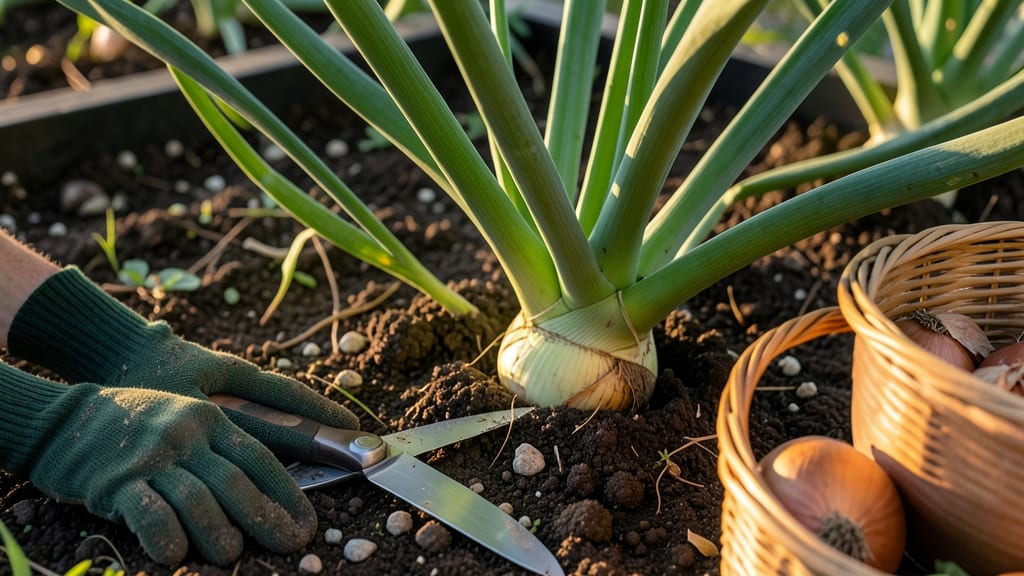
Harvesting candy onions at the right time means the difference between a sweet, tender bulb and a tough, pungent one — and it’s all about knowing when those tops turn crispy 🧅.
Picture this: you’ve nurtured your candy onions all season, and now the moment of truth arrives. But how do you know if they’re ready? Waiting too long turns sweetness bitter, while harvesting too soon leaves you with undersized, watery bulbs.
The key is learning to read three simple tactile cues that tell you exactly when to pull them.
Most gardeners rely on days-to-maturity charts, but those don’t account for your local climate or soil conditions. Instead, I’ll show you how to check bulb firmness, neck tightness, and leaf color—no guesswork required.
These three tests work whether you’re in Zone 6a or beyond, and they’ll save you from the frustration of a wasted harvest.
By the end, you’ll confidently harvest candy onions that store well, caramelize beautifully, and deliver that perfect sweet-onion flavor every time. Let’s get started.


3 Tactile tests to harvest candy onions at peak sweetness
Harvesting candy onions at the right moment ensures their signature sweet, mild flavor—not bitter or pungent. Unlike storage onions, candy onions are best enjoyed fresh when their bulbs are plump but still tender. The challenge?
Determining the perfect harvest window without cutting them too early (small, watery bulbs) or too late (woody, tough textures). I’ve relied on these three tactile tests every harvest season to pinpoint the ideal moment, and they’ve never failed me.
Why tactile tests? Visual cues like leaf color can be misleading due to weather fluctuations or soil conditions. Instead, these hands-on methods—neck size, bulb firmness, and root pull resistance—give you precise feedback about maturity.
Think of them as your onion’s "report card," telling you whether it’s ready for the table or still needs time in the garden. Let’s dive into each test so you can confidently harvest candy onions at their sweetest peak.
- 1
- 2
- 3
Gently grasp the stem base (neck) between your thumb and forefinger. At peak sweetness, the neck will feel noticeably thinner (about ½-inch diameter) compared to earlier stages. If it’s still thick, wait 3–5 days.
Press a bulb gently with your fingertips. Ready bulbs feel solid and plump (like a ripe avocado). If it’s soft or spongy, it’s underripe. Overripe bulbs may feel hollow or papery—a sign they’ve passed their prime.
Gently tug the onion’s roots from the soil. If it resists slightly (like pulling a carrot), it’s ready. If it slides out easily, it’s underripe. If roots break or the bulb stays buried, it’s overripe and may rot.
Start with the neck shrinkage test first—it’s the most reliable indicator of maturity. I’ve found that candy onions often pass this test 2–3 weeks before their tops turn yellow, so don’t wait until the leaves brown completely.
For example, in my Zone 6a garden, I begin testing in early September, even if the tops are still green. This early check prevents me from missing the sweetness window.
Next, combine the bulb firmness test with the neck check for confirmation. I like to test 3–5 onions from different parts of the bed, as maturity can vary slightly due to soil moisture or sunlight exposure.
For instance, onions near the garden’s edge might mature faster than those in the center. If most bulbs pass both tests, it’s time to harvest. If only a few do, give the rest another week.
The root pull test is my final quality control. This test also helps you avoid damaging nearby bulbs—if an onion pulls out too easily, it’s underripe, and you’ll know to wait. I’ve learned the hard way that harvesting based solely on leaf color can lead to small, pithy bulbs.
One year, I ignored the root test and ended up with onions that were only 1-inch in diameter, despite their tops looking "ready."
Pro tip: Harvest on a dry, sunny morning after the dew has evaporated. This reduces the risk of neck rot, a common issue when harvesting damp onions. Lay them on a clean, dry surface (like a wire rack or old towel) to cure for 1–2 hours before storing.
This brief drying period preserves their sweetness and extends shelf life.
Regional variations matter, too. In warmer climates (Zones 7–9), candy onions may mature earlier (late July–August), while cooler zones (like mine) see harvests in September–October.
Pay attention to your local frost dates—aim to harvest 2–3 weeks before the first expected frost. If frost hits early, prioritize harvesting the most mature bulbs first.
One mistake I’ve seen gardeners make is over-relying on bulb size. A 2-inch candy onion isn’t necessarily sweeter than a 1.5-inch one—maturity (not size) determines flavor. For example, my ‘Sweet Sandwich’ variety often reaches peak sweetness at 1.5 inches but can grow to 2 inches if left longer.
Always prioritize the tactile tests over size alone.
Finally, store harvested candy onions in a cool, dark place (50–55°F) with good airflow. Unlike storage onions, they don’t last as long—expect 2–4 weeks of freshness. For longer storage, braid the stems or weave them into nets to hang in a dry spot.
This method works surprisingly well for preserving their sweetness through early winter.
With these three tests, you’ll never second-guess your candy onion harvest again. The key is consistency—test the same onions over a few days to track progress.
Soon, you’ll develop an instinct for the perfect moment, and your kitchen will always have the sweetest, most flavorful onions on hand. Happy harvesting! 🧅
How candy onion maturity affects flavor and storage life
Candy onions develop their signature sweetness through a precise maturity window. When harvested too early, bulbs remain watery and bland, while over-mature onions lose sweetness and become bitter or pungent.
The 110-day mark (ideal for most varieties) signals peak flavor, but environmental factors like temperature and sunlight can shift this timeline by 1-2 weeks.
Understanding this balance is key—over-mature candy onions convert sugars into harsh compounds, ruining their delicate taste. Even worse, bulbs left too long in the ground risk sprouting or rotting, cutting storage life by up to 50%.
For home gardeners, this means harvest timing isn't just about flavor—it's about maximizing shelf life and culinary versatility.
| Maturity Stage | Bulb Characteristics | Flavor Profile | Storage Life |
|---|---|---|---|
| Early (90 days) | Small (1-2" diameter), soft, green tops | Mild, watery, lacks sweetness | 1-2 weeks (fresh use only) |
| Peak (110 days) | Medium (2-3"), firm, papery skin, yellowing tops | Sweet, crisp, ideal for fresh eating | 3-6 months (cured or refrigerated) |
| Over-Mature (130+ days) | Large (3"+), shriveled neck, tough skin | Bitter, pungent, loses sweetness | 1-2 weeks (quick spoilage risk) |
For culinary use, peak-mature candy onions shine in raw applications like salads or caramelized dishes, where their natural sugars enhance flavor. Over-mature bulbs, however, are better suited for cooked dishes where bitterness can be masked—but even then, their texture suffers.
This is why harvesting at 110 days ensures both flavor and versatility.
Storage life also hinges on maturity: peak-harvested onions store best when cured in a dry, dark place for 2-3 weeks, developing a protective skin that extends shelf life.
Early-harvested bulbs lack this protective layer, while over-mature ones sprout prematurely due to hormonal shifts. Temperature control (50-60°F) is critical—fluctuations accelerate spoilage in all but peak-mature onions.
Regional variations matter too. In cooler climates (Zones 3-5), candy onions may reach peak maturity 2 weeks earlier than in hotter zones (7-9), where heat stress can advance bulb development unpredictably. Always monitor leaf color and neck shrinkage—these visual cues trump calendar dates for accuracy.
Pro tip: Test one bulb by peeling and tasting at 100 days. If it’s still mild and watery, wait another week. If it’s crisp and sweet, harvest the rest immediately. This simple tactile test beats guesswork every time. 🌱