
How To
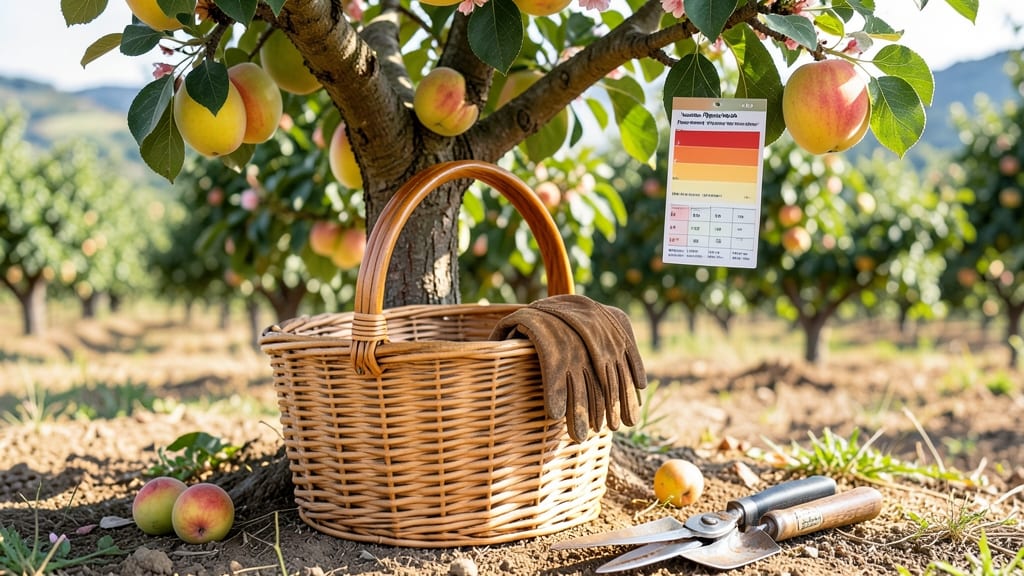
Harvesting nectarines at the right time means the difference between sweet, juicy perfection and mealy disappointment.
Picking too early leaves you with bland fruit, while waiting too long risks overripe mush — and there’s no coming back from that 🍑. The key is knowing when the fruit is ready to come off the tree but still holds its flavor.
You’ll learn how to check for the perfect balance of color, firmness, and scent, plus how climate and variety affect timing. No more guessing whether that blush is ripe or just sunburned.
By the end, you’ll spot a tree-ready nectarine every time — and enjoy the reward of homegrown fruit at its peak.


How to test nectarine ripeness: 5 key signs to harvest at peak flavor
Nectarines are delicate fruits that ripen quickly once picked, so timing your harvest perfectly is essential. Unlike some fruits that continue ripening off the tree, nectarines reach their peak sweetness and texture while still attached. Missing these cues means sacrificing that juicy, flavorful reward you’ve been waiting for all season.
I’ve learned the hard way that overripe nectarines turn mushy and lose their vibrant flavor, while underripe ones stay hard and bland. The good news? With just a few simple checks, you can tell exactly when your nectarines are ready to pick.
These five key signs will help you harvest at the perfect moment every time.
- 1 Full Color Development: Nectarines should reach their variety-specific color. Yellow nectarines deepen to golden, while red-blush varieties develop a rich, even blush. Avoid picking if fruit still has green patches.
- 2 Gentle Yield to Pressure: Press a nectarine gently with your thumbnail. If it gives slightly but doesn’t dent, it’s ripe. A firm fruit needs more time, while a deep indentation means it’s overripe.
- 3 Easy Stem Separation: Gently twist the fruit while holding the stem. A ripe nectarine will detach cleanly with minimal force. If the stem resists or snaps off, the fruit isn’t ready.
- 4 Aroma Test: Hold a nectarine to your nose. A ripe one will have a sweet, floral scent. If it smells neutral or fermented, it’s past its prime.
- 5 Size Consistency: Compare fruit sizes on the tree. Ripe nectarines will be uniformly larger than unripe ones. Look for no noticeable size gaps between fruits.
Pro tip: Check your nectarines in the morning after a cool night. This is when their sugars are at their peak, and the fruit is firmest. Avoid picking after a hot day, as the fruit may feel softer than it actually is.
I always harvest nectarines using clean pruning shears to avoid damaging the tree or spreading disease. Cut the stem about 1/4 inch above the fruit to prevent bruising. This also makes it easier to store them later.
One common mistake I see is waiting until nectarines are too soft to pick, thinking they’ll ripen better off the tree. But nectarines don’t ripen well after picking—they’ll just get mushy. Trust the five signs above and pick them at the perfect moment.
For longer storage, harvest slightly firmer-than-ripe nectarines (they’ll soften slightly after picking). Store them in a cool, dry place (like a garage) for up to a week. But if you’re eating them fresh, pick them at peak ripeness for the best flavor.
Remember, every nectarine variety has slight variations in ripening time. If you’re unsure, taste one—it’s the ultimate test! With practice, you’ll develop an eye for the perfect harvest moment.
Nectarine ripening stages: when to pick for fresh eating vs. storage
Nectarines ripen in distinct stages, and knowing when to harvest determines whether you enjoy sweet, juicy fruit or end up with mealy, flavorless disappointments. The key lies in understanding tree-ripe versus off-tree ripening—two different approaches that depend on your immediate plans for the fruit.
For fresh eating, aim for tree-ripe nectarines, while storage-friendly fruit benefits from a slightly firmer harvest.
Tree-ripe nectarines are ready when they reach their full color (yellow, peach, or red-blush depending on variety) and yield slightly to gentle pressure. These fruits are best eaten within 1-3 days of picking, as they continue softening rapidly.
For storage, harvest when the fruit is 80-90% ripe—still firm but showing deep color and a slight give when pressed.
Climate matters: In hotter regions (USDA Zones 8-10), nectarines ripen faster and may need harvesting earlier. Cooler zones (6-7) can extend the window by 5-7 days before peak ripeness. Always adjust based on your local summer temperatures.
| Ripening Stage | Color | Firmness Test | Best For | Storage Life |
|---|---|---|---|---|
| Tree-Ripe (Peak) | Full variety color | Yields slightly to thumb | Fresh eating | 1-3 days (refrigerate) |
| 80-90% Ripe | Near-full color | Firm but slight give | Storage | 2-4 weeks (cool, dry) |
| Overripe | Dull, wrinkled | Mushy, leaks juice | Avoid | 1-2 days max |
To test ripeness, gently twist the fruit at its stem—it should separate cleanly if ready. For storage, place nectarines in a single layer in a paper bag with a banana or apple to slow ripening.
Store in the crisper drawer of your fridge, where they’ll keep for 2-4 weeks without losing quality.
If you’re unsure, harvest a few nectarines and let them ripen at room temperature for 24-48 hours. This gives you a reference for future picks. Remember, nectarines never soften after picking, so timing is everything for that perfect balance of sweetness and texture.
For long-term storage beyond 4 weeks, consider freezing or canning—both methods work best with slightly underripe fruit. Just peel, slice, and freeze on a tray before bagging, or can whole in light syrup for preserved summer flavors all year.