
How To
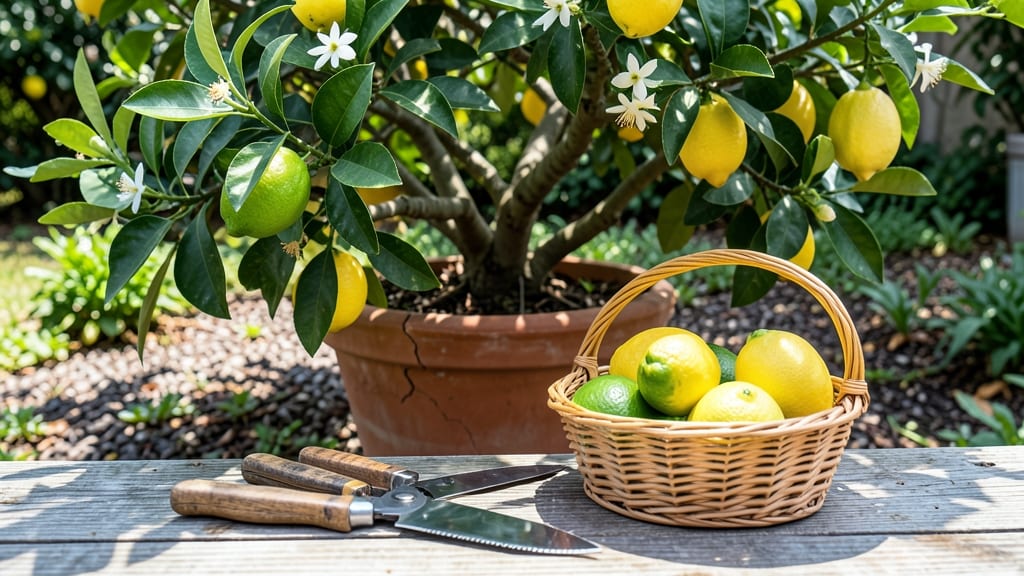
Harvesting lemons at the right time means the difference between a tart, flavorful fruit and one that’s still hard or overripe—and you’ll know exactly when they’re ready with just a few simple tests.
Picking lemons at the wrong moment can leave you with wasted effort or a fruit that lacks the bright, zesty punch you crave. Whether you’re growing a Meyer 🍋 in Zone 9b or a classic Eureka, timing is everything.
In this guide, I’ll walk you through the three tactile tests to determine ripeness—no guesswork involved—plus how climate and variety affect when you should (and shouldn’t) pick.
You’ll also learn how to store your harvest so those lemons stay fresh for months, ready to brighten up everything from cocktails to desserts.


3 Tactile tests to determine lemon ripeness before harvesting
Picking lemons at the wrong time can leave you with either underripe, seedy disappointments or overripe, mealy fruit. The key to peak lemon flavor lies in three simple tactile tests that go beyond just checking the color.
These hands-on methods help you distinguish between unripe, perfectly ripe, and overripe lemons with confidence.
Unlike many fruits that soften as they ripen, lemons actually firm up slightly when ready to harvest. This counterintuitive trait makes the tactile approach essential. Whether you're growing Meyer lemons with their sweet-tart profile or classic Eureka lemons, these tests work for all varieties.
Let's explore how to use your senses to perfect your harvest timing.
-
Test 1: Color Shift
Look for yellowing (or deep green for tart varieties). Avoid bright green lemons—they're unripe. -
Test 2: Peel Texture
Press gently with your fingernail—ripe lemons yield slightly (not mushy). Overripe ones dent easily. -
Test 3: Weight & Size
Hold the lemon—ripe ones feel heavy for their size. Lightweight lemons aren't ready yet.
Let's start with the first test: color assessment. While many gardeners assume lemons must turn fully yellow, this isn't always true. Meyer lemons often stay greenish-yellow when ripe, while classic varieties like Eureka lemons develop a bright yellow hue.
The key is looking for even color changes rather than just a few yellow patches.
For unripe lemons, the skin remains bright green with no yellowing. These lemons are typically seedy and lack the sweetness you crave. On the other end, overripe lemons develop a dull yellow color and may show signs of wrinkling or shriveling.
Their texture becomes soft and mealy, making them less ideal for fresh use.
The second tactile test focuses on peel texture, which reveals the lemon's internal condition. Gently press your fingernail into the peel—if it resists slightly but gives way with minimal pressure, the lemon is ripe.
This resistance indicates the flavor oils have fully developed. In contrast, unripe lemons feel firm and unyielding, while overripe lemons dent easily, almost like pressing your thumb into a ripe avocado.
Here's where many gardeners make a mistake: assuming all lemons should feel soft when ripe. Citrus fruits actually firm up as they mature, which is why this test is crucial. If you're unsure, try the twist test—gently twist the lemon while holding the stem.
A ripe lemon will detach easily from the tree with a slight pop, while unripe ones require more force.
The third test combines weight and size for a final verification. Ripe lemons feel surprisingly heavy for their size because their juice content increases as they mature. To test this, hold two lemons of similar size—one ripe and one unripe—and compare their weight in your hand.
The ripe lemon will feel noticeably denser and more substantial.
Climate plays a role in these tests, especially in cooler regions. If you're growing lemons in USDA Zone 8 or below, they may never fully yellow but can still be ripe when green.
In warmer zones (9-11), lemons often develop more vibrant yellow coloring. Always combine these tactile tests with your local climate conditions for the best results.
For potted lemon trees, these tests become even more important since you can't rely on seasonal cues. Check the lemons every 7-10 days during peak production (late winter to spring) and harvest only those that pass all three tests.
This selective harvesting encourages your tree to produce more fruit by focusing its energy on developing quality over quantity.
Remember, the goal is to harvest lemons when they're at their peak flavor, not necessarily their peak color. Some of the most zesty, aromatic lemons I've enjoyed were still slightly green but passed all three tactile tests. Trust your hands—they know best when it comes to determining lemon ripeness!
How lemon tree variety affects harvest timing (and when to avoid picking)
Not all lemons ripen on the same schedule—and picking too early or too late can ruin flavor and yield. The variety you grow determines peak harvest windows, climate adaptability, and even whether your lemons stay green or turn golden.
Let’s break down the key differences between the three most popular types: Meyer, Eureka, and Lisbon lemons.
Your local climate also plays a huge role. In Zone 9b (like Southern California), lemons can ripen year-round, but cooler zones like Zone 8 may only see harvests from late spring to fall.
Overripe lemons lose their zest and become mealy, while underripe ones stay bitter. Knowing your variety’s quirks helps you avoid these common mistakes.
| Variety | Peak Harvest Season | Color at Ripeness | Climate Notes | Common Mistake |
|---|---|---|---|---|
| Meyer | Late fall to winter | Yellow-green | Thrives in mild winters (Zones 9-11); can fruit twice yearly | Picking too early—wait for full yellowing for sweetest flavor |
| Eureka | Year-round (peaks spring-fall) | Bright yellow | Cold-hardy to Zone 8; needs winter chill for best yield | Leaving fruit on too long—harvest when skin dimples slightly when pressed |
| Lisbon | Spring to early summer | Deep yellow | Needs hot summers (Zones 9-11); sensitive to frost | Ignoring stem color—wait for brownish woody stem before picking |
If you’re growing Meyer lemons, resist the urge to harvest in early fall—they need time to sweeten. These hybrids stay yellow-green at ripeness and pack a milder, almost honey-like flavor.
Meanwhile, Eureka lemons are the workhorses of commercial orchards because they produce year-round, but their skin turns bright yellow only when fully ripe.
For Lisbon lemons, timing is critical. These are the classic bright yellow lemons you’d find in grocery stores, but they need hot, dry summers to ripen properly. If your climate is humid, Lisbon lemons may develop fungal spots before reaching peak flavor.
Always harvest them in morning hours to preserve their vibrant color and crisp texture.
One universal rule applies to all varieties: never pick lemons after a frost, even if they look ripe. Cold damage turns their flesh mealy and ruins their juice.
Instead, harvest in mild weather and store them indoors. For potted trees, bring them inside if temperatures drop below 50°F to protect both fruit and foliage.
Pro tip: Twist gently when harvesting—if the lemon resists, it’s not ready. A ripe lemon should detach with a slight pop and leave a tiny stem nub. Save underripe lemons for lemon curd or infused oils, but enjoy fully ripe ones fresh for the brightest, most flavorful bursts.