
How To
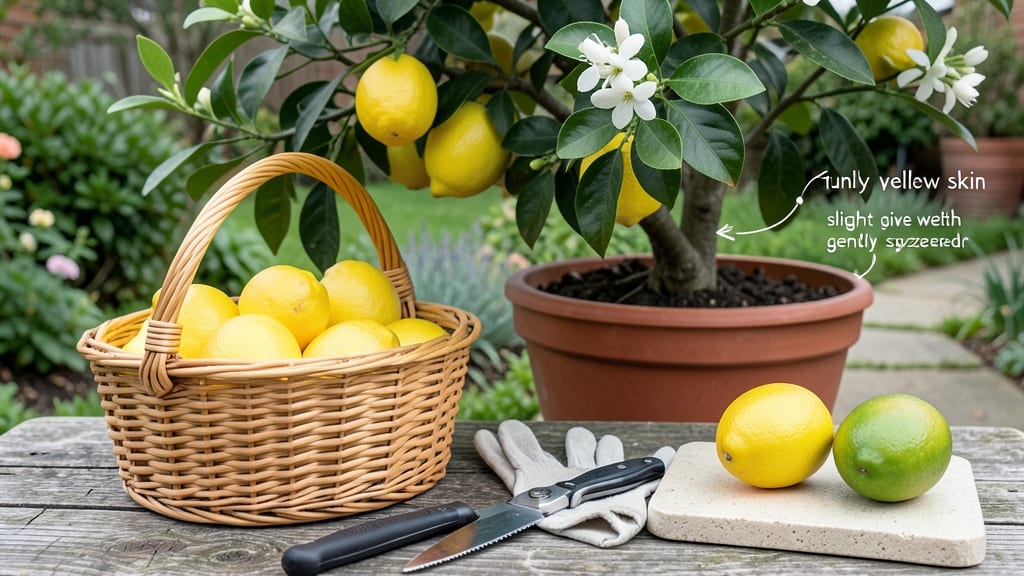
Harvesting Meyer lemons at the right time turns a simple task into a game-changer for flavor and yield—because waiting too long means mushy fruit, and picking too soon leaves you with tart disappointment.
You’ve spent months nurturing your 🍋 Meyer Lemon tree, and now the moment of truth arrives: when to pluck those bright fruits without ruining their sweet-tart magic.
The secret lies in three easy tactile tests—no guesswork, just your fingers and eyes—to know when they’re ready, whether you’re in USDA Zone 6 or a frost-free paradise.
Color alone won’t cut it; you’ll also need to check for slight softness, stem separation, and even how the fruit feels in your hand. Miss these cues, and you might end up with lemons that are either too green or too overripe—both are costly mistakes for home gardeners.
Below, I’ll walk you through the exact steps to test ripeness without damaging the fruit, plus the best times of year to harvest based on your climate. By the end, you’ll never second-guess whether that lemon is ready—or not.


3 Tactile tests to determine Meyer lemon ripeness without damage
Harvesting Meyer lemons at the perfect moment ensures maximum flavor and juiciness. Unlike conventional lemons, these hybrids ripen to a bright yellow and develop a slightly softer texture—key indicators you can't miss.
The challenge? Testing ripeness without damaging the fruit or accelerating spoilage. I’ve refined three gentle, damage-free tests that work every time, even for beginners.
These tests focus on visual cues, tactile feedback, and stem separation—all while preserving the fruit’s integrity. Whether you’re harvesting for fresh juice, baking, or gifting, these methods guarantee you’ll pick lemons at their peak sweetness without bruising or premature ripening.
Let’s dive into the exact steps I use in my own garden.
Look for a uniform yellow hue with no green patches. Meyer lemons turn fully yellow when ripe—this is your first green light.
Press the fruit lightly with your thumb. A ripe Meyer lemon will yield slightly (like a ripe peach) but won’t dent. Avoid deep pressure—this causes bruising.
Grasp the stem between your thumb and forefinger and twist gently. If it detaches cleanly (without tearing the fruit), the lemon is ready. This test also prevents stem-end rot.
Start with the color shift test—this is your first line of defense. Meyer lemons begin green and gradually turn yellow as they ripen. A fully yellow fruit is a strong indicator, but don’t rely on color alone.
Some lemons may stay slightly green on one side due to shading, so always combine this with the pressure test.
For the gentle pressure test, use your thumb to apply light pressure to the fruit’s equator. A ripe Meyer lemon will feel slightly yielding, almost like pressing a ripe avocado.
If it springs back immediately, it’s not ready yet. This test helps avoid picking lemons that are still firm and underripe, which lack sweetness and juice.
Save the stem separation test for final confirmation. Twist the stem gently—it should separate without resistance. If the stem resists or tears the fruit, wait a few days.
This test also signals that the fruit is fully mature and won’t continue ripening off the tree, which is critical for flavor preservation.
Timing matters, especially in cooler climates. If your lemons are ripening in late fall or winter, they may take longer to turn yellow. In these cases, prioritize the pressure and stem tests over color.
Overripe lemons (those that feel mushy or have a wrinkled skin) should be used immediately for cooking or juicing.
Pro tip: Harvest in the morning when temperatures are cooler. This reduces stress on the fruit and minimizes bruising. Use sharp, clean pruning shears to cut the stem cleanly—never pull or twist the fruit off the tree, as this damages the tree and the lemon itself.
Once harvested, store your Meyer lemons at room temperature for up to a week. For longer storage, refrigerate them in a paper bag (not plastic) to maintain freshness. The ethylene gas trapped in the bag slows ripening without causing spoilage, keeping your lemons juicy for weeks.
If you’re still unsure, pick a few lemons that pass all three tests and let them ripen at room temperature for 2–3 days. This final ripening stage enhances their sweetness. Now you’re ready to enjoy the perfect Meyer lemon—whether you’re making lemonade, desserts, or simply savoring the unique flavor.
Remember, the key to success is gentle handling and patience. These tactile tests have never failed me, and they won’t let you down either. Happy harvesting! 🍋
Best time of year and seasonal factors for Meyer lemon harvests
Timing your Meyer lemon harvest depends heavily on your local climate. In coastal regions like California or Florida, you can harvest year-round thanks to mild winters. But inland gardeners in USDA Zones 7-9 face a shorter window—typically October through December—before frost threatens the tree.
Even in frost-free zones, temperature swings can accelerate ripening or cause fruit to drop prematurely.
Cooler coastal climates often produce sweeter, slower-ripening fruit, while inland heat waves can make lemons ripen faster but with less sugar. If your area experiences early autumn chills, harvest earlier to avoid overripe fruit. Conversely, late-season heat spikes can delay ripening—adjust your tactile tests accordingly.
Here’s how seasonal factors shift your harvest approach:
| Climate Type | Harvest Window | Key Seasonal Adjustments | Ripeness Test Tweaks |
|---|---|---|---|
| Coastal (Zones 9-10) | Year-round | Mild winters; no frost risk | Test firmness more often—fruit ripens gradually |
| Inland (Zones 7-8) | October–December | Frost risk after December; harvest before temps drop below 30°F | Prioritize stem separation—fruit may drop if overripe |
| Desert (Zones 8-10) | September–November | Extreme heat speeds ripening; watch for sunburn | Harvest when yellow—fruit may overripen quickly |
| Temperate (Zones 6-7) | Late September–October | Short season; protect tree from early frost | Use color + weight—fruit may stay green longer |
For coastal gardeners, focus on consistent harvests every 2-3 weeks to encourage new fruit production. Inland growers should harvest aggressively before the first frost, even if some lemons aren’t fully yellow. Temperature drops below 40°F can halt ripening entirely—so don’t wait for perfect color if frost is forecasted.
Adjust your ripeness tests based on the season: In summer heat, fruit may ripen faster, so check for stem separation and weight before relying on color. In fall chill, prioritize yellowing skin and gentle give when pressed, as fruit may stay firm longer.
Pro tip: Container-grown Meyer lemons ripen slightly earlier than in-ground trees—expect harvests 2-4 weeks ahead of your local timeline. If you’re in Zone 8 or below, consider overwintering your tree indoors to extend the harvest season.