
How To
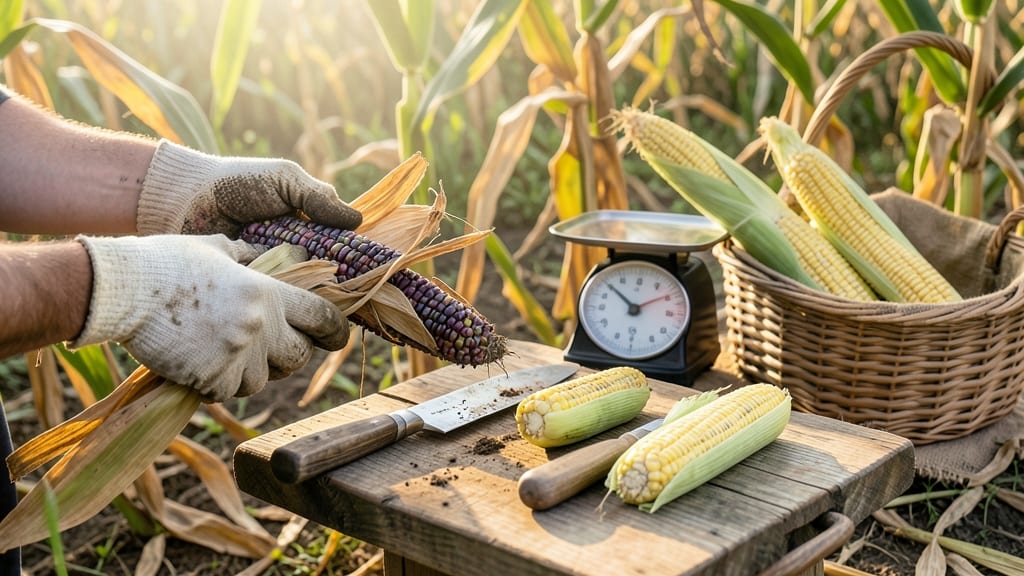
Harvesting Indian corn 🌽 at the right time means the difference between sweet, tender kernels and tough, starchy ears—here’s how to nail it before frost sets in.
Picture this: you’ve spent months nurturing your Indian corn, and now the tassels are drying up while the husks turn brown. That’s your cue—but wait too long, and the kernels turn hard and dry.
Get it wrong, and you’re left with ears that won’t even boil right. The key? Knowing the exact visual cues to watch for.
From the milk line test to husk dryness, I’ll walk you through the foolproof signs that your corn is ready to pick—plus what happens if you miss the window. Regional frost risks and storage tips are in there too, so you don’t waste a single ear.
By the end, you’ll harvest Indian corn at peak flavor, whether you’re saving seeds or whipping up a pot of hominy. No more guesswork—just perfect, sweet kernels every time.


How to identify perfect Indian corn ripeness by kernel and tassel signs
Harvesting Indian corn at the right moment transforms your garden into a treasure trove of sweet, flavorful kernels. The key lies in watching three critical signs: kernel maturity, tassel death, and husk color.
Miss this window, and you risk tough, dry cobs or ears ruined by frost—neither of which is ideal for storage or cooking.
Start by checking the tassels at the top of your corn plants. When they turn completely brown and brittle, it’s a strong indicator that the kernels below are nearing perfection.
This usually happens around 110-130 days after planting, depending on your variety and growing conditions. Don’t wait too long, though—frost can sneak up faster than you think.
Next, focus on the husks that wrap around each ear. Fully mature husks will feel dry and papery, almost like crumpled brown paper. If they’re still green or slightly moist, your corn needs more time on the stalk.
This is one of the most reliable visual cues for harvest readiness, especially in humid climates where moisture can delay drying.
Now for the milk line test, a classic trick for determining kernel ripeness. Pierce a kernel with your fingernail—if it releases a milky white liquid, your corn is still too early.
When the liquid turns clear or yellowish, that’s your signal to harvest. This change happens as the kernels convert starches into sugars and dry out.
Here’s where many gardeners go wrong: they rely on ear size alone. Big ears aren’t always ripe ears! Some varieties grow large but stay starchy inside. Always combine kernel hardness, tassel condition, and husk dryness for the most accurate assessment.
Pro tip: Give the ear a gentle squeeze—ripe corn should feel heavy for its size.
🌽 Indian Corn Ripeness Comparison
| Sign | Not Ready (Green) | Perfectly Ripe (Brown) | Overripe (Dry) |
|---|---|---|---|
| Husks | Green & Moist | Brown & Papery | Cracked & Brittle |
| Kernels | Soft & Milky | Hard & Dry | Shriveled |
| Tassels | Green & Active | Brown & Brittle | Fallen Off |
| Ear Weight | Light | Heavy | Very Light |
| Milk Line Test | Milky White | Clear/Yellow | Dry (No Liquid) |
💡 Harvest when 70-80% of ears show these ripe signs—don’t wait for 100%!
Regional differences play a huge role in timing. In warmer climates like Zone 9 or 10, corn may ripen earlier, sometimes as soon as mid-August. But in cooler zones like 5 or 6, you might not see perfect ripeness until late September or early October.
Always check your frost dates—corn can’t tolerate freezing, even if it’s technically ripe.
One final trick: harvest a few ears early as a test. If they’re still too starchy or underdeveloped, leave the rest on the stalk for another week. This proactive approach saves you from ending up with a batch of overripe corn that’s past its prime.
Remember, dry kernels are ideal for long-term storage, while sweet corn (like Silver Queen) should be harvested earlier when kernels are still tender.
Once you’ve mastered these signs, you’ll never second-guess your harvest again. The perfect Indian corn—dry, plump, and ready for storage or seed-saving—is just a few visual checks away. Now grab your pruners and get ready to celebrate your garden’s hard work!
Common mistakes that ruin Indian corn harvests (and how to avoid them)
Harvesting Indian corn at the wrong time can turn your hard work into tough, dry kernels instead of sweet, vibrant ears. Many gardeners make the same costly mistakes—like harvesting too early or ignoring weather warnings—that ruin the harvest before it even reaches your kitchen.
One of the biggest mistakes is harvesting too early just because the ears look big. Immature corn lacks the sweetness and tenderness you crave, and the kernels won’t store well.
On the flip side, leaving corn on the stalk too long exposes it to frost damage, turning kernels into dry husks overnight.
⚠️ callout warning
- Too Early: Kernels stay milky and soft—no sweetness, poor storage.
- Too Late: Frost kills plants; kernels dry out or sprout.
Another critical error is ignoring regional frost dates. In Zone 6a, the first frost often hits by late October, but corn needs full maturity (90–110 days) before harvest. If you’re in a cooler climate, plant early-maturing varieties or use row covers to extend the season.
Weather plays a huge role too. Heavy rains before harvest can cause ear rot, while drought stress shrinks kernels. Always monitor forecasts and harvest when skies are clear—aim for dry, sunny days to prevent mold and ensure clean ears.
Finally, don’t assume all ears on a stalk are ready at once. Harvest selectively: Pull only the fully mature ears (check for hard, dry kernels) and leave the rest to ripen. This ensures you get the best flavor and storage life from your crop.
By avoiding these common mistakes—harvesting at the right maturity, watching the weather, and timing your pick carefully—you’ll enjoy perfectly sweet Indian corn all season long. 🌽