
How To
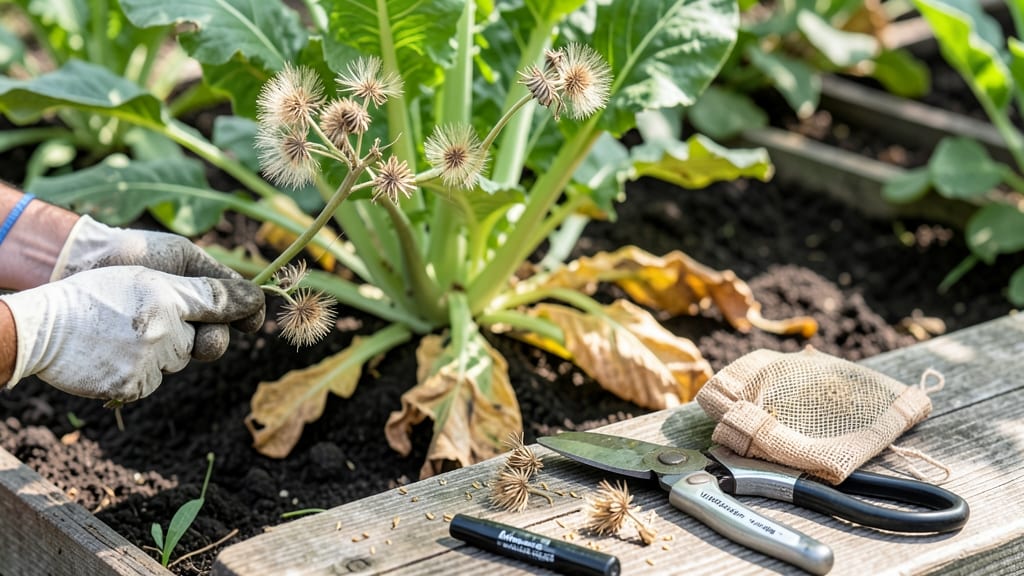
Harvesting lettuce seeds at the right time ensures strong viability and a successful seed bank—here’s how to nail it with the dry stem test.
Picture this: you’ve nurtured your 🥬 lettuce all season, only to watch your seeds either shatter too early or refuse to germinate. The difference between success and frustration often comes down to timing—and a simple trick most gardeners miss.
In cooler climates like USDA Zone 6a, the ideal window for seed harvest falls between late September and early October, when stems begin drying naturally. But even in warmer regions, the key isn’t the calendar—it’s the plant’s readiness, which you can spot with a quick visual check.
Below, I’ll walk you through the exact signs to look for, common mistakes that waste seeds, and how to store them for the best germination rates—so you’re never left guessing again.


The dry stem test: how to identify perfect lettuce seed harvest time
Harvesting lettuce seeds at the right moment ensures high seed viability and saves you from wasted effort. The dry stem test is my go-to method for determining when lettuce plants are ready to release their seeds.
This simple technique focuses on stem dryness and seed pod maturity, two key indicators of readiness.
Lettuce plants bolt—send up flower stalks—when conditions like heat stress or day length changes trigger flowering. Once the flower stalks appear, they develop into seed heads. The challenge? Harvesting too early or too late can ruin your seeds. The dry stem test helps you pinpoint the perfect window for harvesting.
Here’s how to perform the test: Focus on the main flower stalk and its branches. Look for dry, brown stems and seed pods that are turning from green to tan. This shift signals that the seeds inside are mature and ready for collection.
-
Step 1: Observe Flower Stalks
Wait until your lettuce plants bolt and develop flower stalks. These stalks will grow tall and produce small, green seed heads. -
Step 2: Check Stem Dryness
Gently grasp the main flower stalk near the base. If the stem feels dry and papery (not crisp or green), it’s a good sign. -
Step 3: Inspect Seed Pods
Look closely at the seed pods. They should turn from green to tan or brown. Press lightly—if seeds rattle inside, they’re ready. -
Step 4: Confirm Overall Dryness
Check the entire plant for dryness. Leaves should be crispy or brown, and the stalks should snap easily when bent. -
Step 5: Harvest at Peak Dryness
Once the stalks are completely dry, cut them off at the base. Place them in a paper bag to dry further indoors.
Timing is everything when harvesting lettuce seeds. If you harvest too early, the seeds won’t be fully developed, and if you wait too long, they may scatter or lose viability.
The dry stem test ensures you catch them at their peak. Aim to harvest in the late afternoon when humidity is lower, reducing the risk of mold.
After harvesting, let the seed heads dry completely indoors for 1-2 weeks. This step is crucial for preventing mold and ensuring the seeds remain viable. Once fully dry, gently rub the seed pods between your fingers or use a fork to release the seeds into a bowl.
Store your harvested seeds in paper envelopes labeled with the variety name and harvest date. Keep them in a cool, dry place away from direct sunlight. Proper storage can extend seed viability for 2-3 years, giving you a reliable source for future plantings.
One common mistake is assuming all lettuce varieties mature at the same rate. Leaf lettuce and romaine may bolt faster in heat, while butterhead varieties might take longer. Always monitor your specific variety for stem dryness and seed pod color changes.
If you’re unsure whether your seeds are ready, perform a simple germination test. Place a few seeds between damp paper towels and wait 5-7 days. If most seeds sprout, your harvest was successful. If not, you may need to wait longer or adjust your harvesting technique next time.
Mastering the dry stem test transforms seed harvesting from guesswork into a precise, rewarding process. With practice, you’ll recognize the ideal moment to collect lettuce seeds, ensuring a bountiful yield for years to come. Happy harvesting! 🌱
Common mistakes that reduce lettuce seed viability (and how to avoid them)
Harvesting lettuce seeds at the wrong time can turn your seed-saving efforts into frustration. Many gardeners make critical timing mistakes that lead to low germination rates or completely unusable seeds. Understanding these errors—and how to fix them—will save you from wasted labor and disappointment.
One of the biggest mistakes is harvesting seeds too early. Lettuce plants need time to develop fully mature seed heads before seeds are viable. If you pick them when the stems are still green or slightly brown, you’ll end up with seeds that won’t sprout.
Patience is key here—rushing the process is a surefire way to reduce your seed bank’s quality.
Another common error is waiting too long after the stems turn brown. Overripe seeds can scatter or shatter before you harvest them, or they may lose viability due to moisture exposure.
This is especially true in humid climates where seeds can mold or rot if left on the plant beyond their prime.
⚠️ WARNING: Harvesting Lettuce Seeds at the Wrong Stage ⚠️
Improper storage is another silent killer of lettuce seed viability. Many gardeners store seeds in airtight containers without considering moisture control. Seeds need to stay dry and cool to maintain their lifespan. Using paper envelopes or glass jars with desiccant packets is far better than plastic bags, which trap humidity and encourage mold.
Let’s talk about seed drying techniques next. After harvesting, seeds must dry completely before storage. Spread them on a clean, dry surface in a well-ventilated area for 1-2 weeks. Avoid direct sunlight, which can overheat and damage seeds. A cool, dark closet works perfectly for this step.
Finally, don’t forget to label your seeds with the harvest date and variety. Many gardeners mix up seeds or forget which ones they saved, leading to confusion when planting the next season.
A simple labeling system with pencil and paper (or digital notes) will keep your seed bank organized and stress-free.