
Flowers
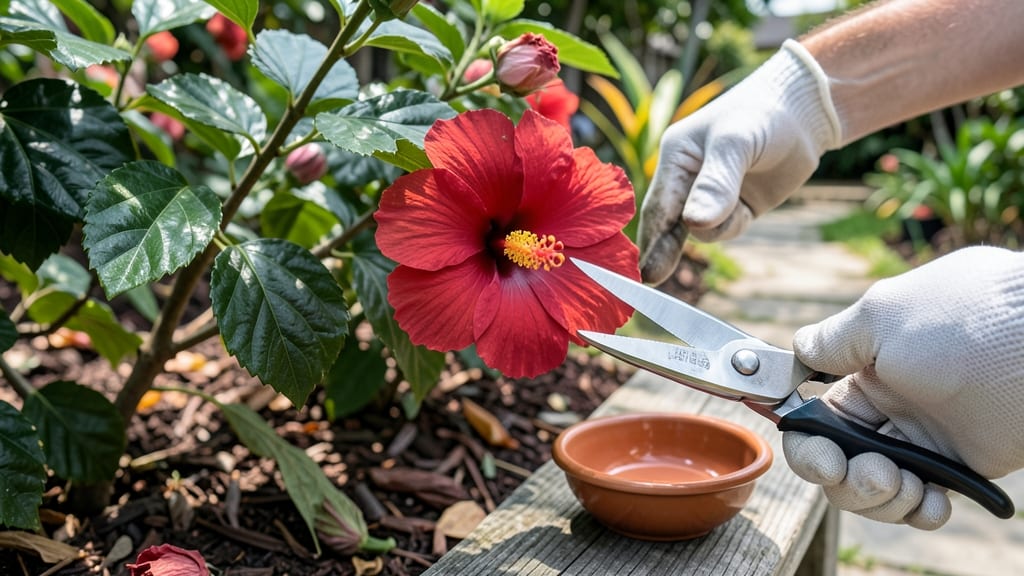
Harvest hibiscus flowers for tea when they’re fully open and vibrant in color — typically between July and September in zone 6a, but the petal shift from pink to deep red is your real cue.
Picture this: you pluck a bright 🌸 bloom at dawn, only to find it tastes bitter by afternoon. That’s because timing isn’t just about the season — it’s about the flower’s maturity and even the time of day.
One wrong move, and your homemade tea could end up bland or overly tart.
Most gardeners miss the slight wilting at the petal edges, a telltale sign the flower’s flavor peaks just before it fully fades. Harvest too early, and you’ll get a weak brew; too late, and the petals turn rubbery.
The key is catching that golden window when the flower is sturdy but starting to soften.
In this guide, I’ll break down the exact stages to watch for, the best time of day to pick, and how to store your harvest so every cup tastes like summer. No more guesswork — just bold, tangy tea straight from your garden.


How to identify the best hibiscus flower stage for tea harvesting
Harvesting hibiscus flowers at the right stage ensures your tea has that bright, tangy flavor packed with vitamin C. The key lies in watching for subtle visual cues that signal peak maturity.
Unlike many flowers, hibiscus tea benefits from harvesting at a slightly overripe stage—when petals begin to wilt naturally.
Start by observing the petal color shift from vibrant pink or yellow to a deeper, richer hue like crimson or burgundy. This color change indicates the flower has reached its optimal sugar content.
Additionally, pay attention to the leaf drop pattern—healthy hibiscus plants will naturally shed a few leaves near blooming flowers, signaling it's time to harvest.
⚠️ CRITICAL TIP: Never harvest flowers that are still tightly closed in bud form. These contain minimal flavor compounds and will yield a bland tea. The ideal moment is when the flower is fully open but starting to wilt at the edges—this is when the flavor compounds peak.
| Stage | Visual Cues | Harvest Time | Flavor Impact |
|---|---|---|---|
| Bud Stage | Tightly closed, firm petals | ❌ Avoid | Bland, minimal flavor |
| Early Bloom | Fully open, vibrant color | ⏳ Wait 1-2 days | Mild, slightly tart |
| Peak Harvest | Deep color, slight edge wilting | ✅ Harvest now | Bold, tangy, vitamin C-rich |
| Overripe | Heavily wilted, drooping | ❌ Avoid | Bitter, harsh notes |
Another tell-tale sign is the flower's response when you gently touch it. At the perfect harvest stage, the flower should detach easily from the stem with just a slight pull—almost as if it's begging to be picked.
If you feel resistance, the flower isn't ready yet. This gentle give is your cue that the flavor compounds have fully developed.
Timing also matters based on the time of day. Always harvest in the early morning after dew has evaporated but before the sun gets too intense. This ensures the flowers are hydrated and at peak freshness, which directly impacts your tea's aroma and taste.
Seasonal timing plays a role too. In USDA Zone 6a, hibiscus flowers typically reach harvest readiness between July and September, aligning with their natural blooming cycle. If you're growing hibiscus in containers, they may bloom slightly earlier, so monitor your plants closely during late June.
Watch for new flower buds forming near harvested blooms. This indicates the plant is healthy and will continue producing flowers for your tea supply. If you notice fewer buds after harvesting, your plant may need more sunlight or balanced fertilizer to encourage regrowth.
One common mistake is harvesting flowers with damaged petals from pests or weather. These can introduce unwanted flavors to your tea. Always inspect flowers before picking and remove any that show signs of chewing, discoloration, or disease. Healthy petals ensure a clean, flavorful brew.
For consistent harvests, aim to pick 2-3 flowers per plant every 2-3 days during peak bloom season. This frequency prevents over-harvesting while giving the plant time to produce new blooms. Remember, the goal is to maintain a balanced harvest that keeps your hibiscus thriving for months of tea-making.
Pro tip: Keep a small harvest journal to track which flowers yield the best tea. Note the color, wilting stage, and time of day for each harvest. Over time, you'll develop an eye for predicting the absolute best harvest windows for your specific hibiscus variety.
Step-by-step guide to harvesting hibiscus flowers without damaging the plant
Harvesting hibiscus flowers for tea requires precision to preserve both plant health and flavor. The right technique ensures your tea stays vibrant while keeping your plant blooming continuously. Start by selecting flowers that are fully open but not yet wilted—this balance guarantees peak flavor without stressing the plant.
Timing matters too: always harvest in the early morning after dew evaporates. This ensures petals are hydrated and packed with flavor. Avoid harvesting after rain or late in the day, as moisture can dilute the tea's potency and encourage fungal growth.
Step-by-Step Harvesting Process
- Step 1: Choose fully bloomed flowers with vibrant petals and slight edge wilting. Avoid buds or overripe blooms.
- Step 2: Use clean pruning shears or sharp scissors to cut stems at a 45-degree angle, 1-2 inches below the flower head.
- Step 3: Harvest 2-3 flowers per stem to avoid overloading the plant. Space harvests 2-3 days apart per flower cluster.
- Step 4: Remove lower leaves from stems to prevent moisture buildup during drying. Store flowers in a paper bag in a cool, dry place.
- Step 5: After harvesting, water the plant at the base to replenish moisture lost during blooming. Apply a balanced fertilizer monthly during peak growing season.
Frequency is key to maintaining a steady tea supply. Harvest no more than one-third of the blooms at once to prevent shock. For example, if your hibiscus has 30 flowers, limit yourself to 10 harvests per session. This approach encourages new blooms while keeping the plant healthy.
Post-harvest care includes gentle pruning of spent blooms and yellowing leaves to redirect energy to new growth. Mulch around the base with organic matter to retain moisture and protect roots. This simple step boosts resilience and ensures your hibiscus rebounds quickly after harvests.
Monitor your plant's response after harvesting. Healthy hibiscus will produce new buds within 2-3 weeks if given proper care. If blooms slow down, check for adequate sunlight (6+ hours daily) and adjust watering to maintain consistent moisture without waterlogging.
With these techniques, you'll enjoy a continuous supply of hibiscus tea while keeping your plant thriving. The secret lies in balance: harvest thoughtfully, care for the plant diligently, and your hibiscus will reward you with vibrant blooms and bold flavors all season long. ☀️✂️🌺