
Light Requirements
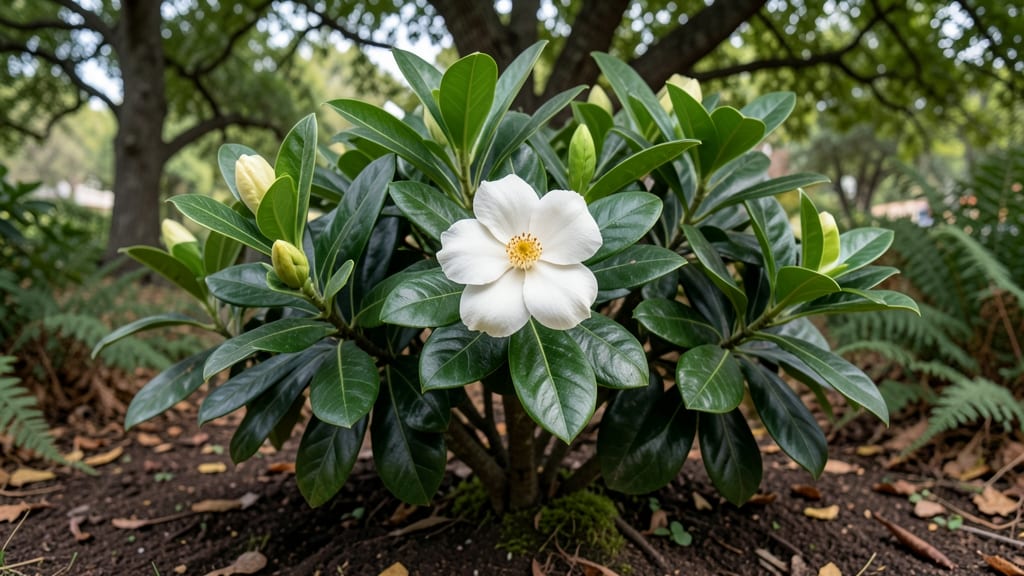
Gardenias can grow in shade, but their fragrance and blooms depend on the right balance of light and variety.
The intoxicating scent of a thriving gardenia 🌸 is what most gardeners chase—but if your yard is mostly dappled shade, you might be wondering how to keep these sun-loving plants happy.
The good news? Some varieties handle low light better than others, and a few simple tricks can make all the difference between sparse blooms and a lush, fragrant shrub.
Most gardenias thrive in partial shade, meaning they need at least 4-6 hours of bright, indirect light daily. Too little light leads to leggy growth, fewer flowers, and weak fragrance, while too much direct sun can scorch their delicate leaves.
The key is finding that sweet spot—whether by choosing shade-tolerant types or tweaking their environment.
In this guide, I’ll break down the best gardenia varieties for shady spots, light hacks to boost blooms, and how to spot (and fix) signs of stress.
By the end, you’ll know exactly how to coax those signature white, creamy flowers—and that unforgettable scent—out of even the shadiest corner of your garden.


Gardenia varieties that tolerate shade (and how much they need)
If you’ve ever dreamed of filling your shady garden with the sweet, intoxicating scent of gardenias, you’re not alone. While most gardenias crave bright, indirect light, a few varieties can thrive in partial to deep shade—with the right care.
The key lies in selecting the right shade-tolerant cultivars and understanding their light requirements to maximize blooms and fragrance.
Not all shade is equal, though. Partial shade (3-6 hours of filtered light) is ideal for most gardenias, while deep shade (less than 3 hours) will limit growth and flowering.
Even shade-tolerant varieties need some light to produce those iconic white blooms and maintain their signature fragrance. Let’s explore the best options and how to set them up for success.
| Variety | Light Needs | Fragrance Intensity | Bloom Frequency | Mature Height |
|---|---|---|---|---|
| G. jasminoides 'Radicans' | Partial shade (3-4 hrs light) | Strong (classic gardenia scent) | Moderate (spring-summer) | 3-4 ft |
| G. augusta 'Veitchii' | Deep shade (1-3 hrs light) | Moderate (less intense) | Sparse (occasional blooms) | 4-5 ft |
| G. jasminoides 'Kleim's Hardy' | Partial shade (4-5 hrs light) | Very strong (hardy scent) | Frequent (spring-fall) | 2-3 ft |
| G. augusta 'Fortuniana' | Partial shade (3-4 hrs light) | Strong (sweet floral) | Moderate (summer-fall) | 5-6 ft |
Among the most shade-tolerant gardenias, G. jasminoides 'Radicans' stands out for its ability to handle partial shade while still producing fragrant blooms. This variety thrives with 3-4 hours of light daily, making it perfect for spots under dappled tree canopies or near north-facing walls.
Its compact size (3-4 feet) also makes it ideal for containers or small gardens.
For deeper shade conditions, G. augusta hybrids like 'Veitchii' are your best bet, though expect fewer blooms and a less intense fragrance. These varieties can survive with just 1-3 hours of light, but they’ll reward you with glossy, dark green foliage even if the flowers are sparse.
If fragrance is your priority, 'Kleim’s Hardy' is a standout—it handles partial shade well and delivers year-round blooms in milder climates.
When selecting a spot, pay attention to light quality, not just duration. Bright indirect light (like
Light hacks to grow gardenias in shade: tricks for better blooms
Gardenias crave sunlight, but that doesn’t mean you can’t grow them in shady spots. With the right light hacks, you can coax your gardenia into producing fragrant blooms even when natural light is scarce.
The key lies in maximizing indirect light and creating an optimal growing environment without relocating the plant.
Shade doesn’t have to be a dealbreaker—it just requires a few clever adjustments. Start by understanding your garden’s light conditions. Even partial shade can be improved with reflective surfaces, strategic pruning, and companion plants that help redirect light toward your gardenia’s leaves.
💡 5 Light Hacks for Shade-Grown Gardenias
- 1
- 2
- 3
- 4
- 5
If your gardenia is in deep shade, consider supplementing with grow lights during its active growing months (spring and summer). A simple LED bulb placed 12-18 inches above the plant can make a surprising difference in leaf health and bloom production.
Another trick is to rotate your gardenia every few weeks so all sides receive equal light exposure. This prevents leggy growth and ensures the plant develops evenly. Pair this with regular pruning to maintain a compact shape and improve airflow.
Don’t forget that companion planting can work wonders. Tall, fast-growing plants on the north side of your gardenia can act as natural light reflectors, while shade-tolerant ground covers (like sweet woodruff) help retain moisture and reduce competition for nutrients.
With these light hacks, your gardenia can still thrive in shady spots while keeping its signature fragrance and lush foliage. The secret is patience and consistency—your efforts will pay off with healthier plants and more blooms than you’d expect! 🌿