
How To
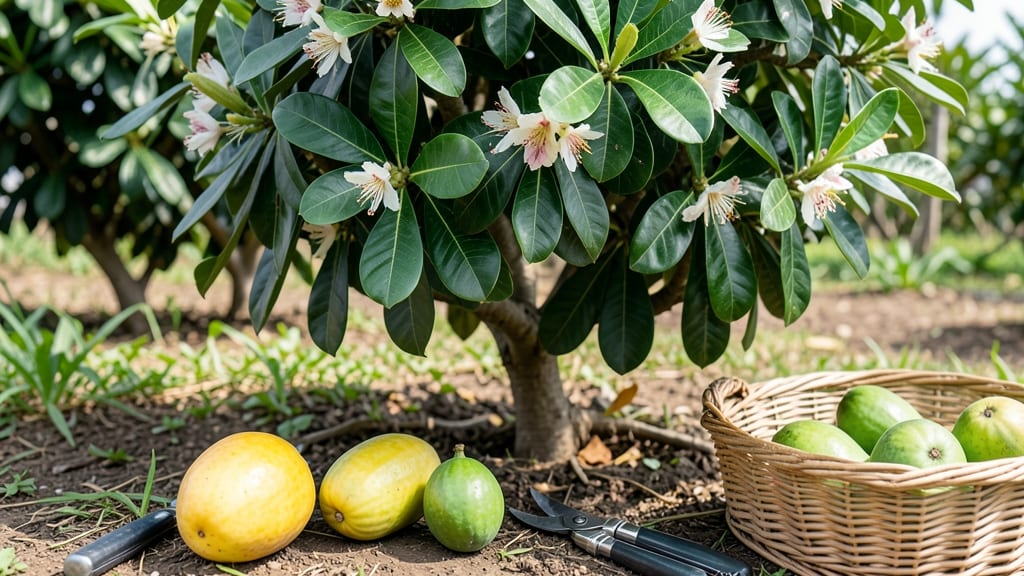
Harvesting guava at the right time turns a bland, mealy fruit into a sweet, fragrant treasure 🥝 — and the secret lies in knowing when to pluck it.
Picture this: you’ve waited months for your guava tree to bear fruit, only to pick a rock-hard green ball or a mushy overripe mess. The difference between those extremes? A few simple checks that tell you exactly when the fruit is ready.
In tropical regions like Florida or California, guavas typically ripen between July and September, while cooler microclimates (like Zone 9b) see harvests from October to January. But timing isn’t just about the calendar—it’s about color, scent, and a gentle touch.
Below, I’ll show you the three tactile tests every home gardener needs to master, so you never miss the perfect moment to harvest juicy, flavorful guavas again.


How to identify guava ripeness using 3 simple tactile tests
Guavas are finicky fruits—pick them too early, and you’ll get a hard, bland mess; too late, and they’ll mush into pulp on the tree. The secret? Using your eyes, nose, and fingers to confirm ripeness.
Unlike apples or bananas, guavas don’t soften dramatically, so you’ll need to trust these three tactile tests to nail the perfect harvest window.
First, understand that guava varieties differ wildly in color—some turn pale yellow, others deep pink or white. But regardless of hue, the skin texture and scent are universal indicators.
Pro tip: Harvest in the morning after dew dries for the most accurate readings, as nighttime humidity can skew your tests.
Look for 70%+ color change from green to variety-specific hues (yellow, pink, or white). A 50% shift means wait 3-5 days.
Press your thumb gently—ripe guavas yield slightly (like a ripe avocado) but don’t dent. If it bruises, wait 2 days.
Sniff near the stem—ripe guavas emit a sweet, tropical aroma. No smell? Wait 1-2 weeks. Overripe? It’ll smell fermented (like vinegar).
Let’s break down the color shift test first. Guavas start green and gradually deepen into their mature hue. For Apple guavas, aim for a creamy yellow with faint pink blushes. Strawberry guavas should turn a soft pink, while Lemon guavas develop a pale yellow-green.
Pro move: Compare your guava to a ripe fruit from the store—if yours isn’t 70% there, it’s not ready.
The gentle pressure test is where most gardeners go wrong. Many assume guavas should feel rock-hard, but ripe ones have a slight give—like pressing your cheek. To test: Gently press your thumb into the fruit’s side.
If it springs back without bruising, it’s perfect. If it leaves a white thumbprint, it’s underripe. If it caves in, it’s overripe and best eaten immediately.
Don’t underestimate the scent check—this is your secret weapon for tropical varieties. A ripe guava should smell like a mix of pineapple, mango, and citrus. Hold the fruit near your nose (don’t press—juice can stain!) and take a deep breath.
No scent? Your guava needs 1-2 more weeks. A strong, sweet aroma means it’s peak ripeness. If it smells sour or alcoholic, it’s past its prime.
Here’s a climate hack: In hot, humid regions (like Florida or Hawaii), guavas ripen faster—sometimes in just 4-6 weeks. In cooler subtropical zones (like California’s coastal areas), they take 8-10 weeks.
Adjust your tests accordingly: Check scent and pressure every 3 days in heatwaves, and every 5 days in cooler weather.
One common mistake? Harvesting based on size alone. A guava can be 3 inches wide but still green and tasteless. Always combine all three tests.
For example, a pink guava that’s 2.5 inches wide but smells sweet and yields slightly to pressure is ready—even if it’s not the biggest on the tree.
Once you’ve mastered these tests, you’ll never waste a guava again. Ripe guavas store for 3-5 days at room temperature or 1 week in the fridge. Unripe ones? Let them ripen on your counter for 2-3 days—they’ll soften and sweeten up beautifully. Now grab your pruners and start testing!
🌱🍯
Best guava harvesting methods by variety (sweet vs. aromatic types)
Not all guavas ripen the same way—some prioritize sweetness, while others shine with aromatic intensity. The Apple guava (like 'Red Malaysian') focuses on creamy sweetness, while the Lemon guava ('Mexican Cream') delivers zesty fragrance.
Even the Strawberry guava ('Sweettastic') has a unique balance. Knowing your variety’s traits helps you harvest at peak flavor.
Sweet varieties like Apple guava ripen when their skin turns deep yellow or pinkish-red, yielding slightly to gentle pressure. Aromatic types, such as Lemon guava, often ripen when their scent becomes intensely citrusy—sometimes before the color fully changes.
The Strawberry guava stays firm longer but develops a fragrant, floral aroma when ready.
| Variety | Best Harvest Time | Key Ripeness Cues | Flavor Profile |
|---|---|---|---|
| Apple Guava (e.g., 'Red Malaysian') | Late fall to winter (Oct–Jan) | Skin turns deep yellow-pink, yields to touch, sweet scent | Creamy-sweet, mild floral notes |
| Lemon Guava (e.g., 'Mexican Cream') | Early summer to fall (June–Sept) | Skin stays greenish-yellow, citrusy aroma, firm but yielding | Tart-aromatic, lemony zing |
| Strawberry Guava (e.g., 'Sweettastic') | Mid fall to winter (Sept–Dec) | Skin turns pinkish-red, fragrant floral scent, slight softness | Sweet-tart, strawberry-like |
For Apple guavas, wait until the fruit is fully colored and slightly soft—this ensures maximum sugar content.
Twist gently to detach; if the stem resists, it’s not ripe yet. Lemon guavas, however, should be harvested when their aroma is strongest, even if the skin isn’t fully yellow. Their tartness peaks when the scent is overpowering.
The Strawberry guava is trickier: it stays firm longer but develops a distinct floral fragrance when ready. Pick when the skin shows pink blushes and the scent fills the air.
If you wait too long, the fruit may become mealy or overly soft. Always harvest in the morning to preserve freshness.
Climate matters too! In tropical zones (10-11), guavas ripen year-round, but subtropical regions (Zone 9b) see peak harvests in late summer to fall. If your tree is in a cooler microclimate, protect fruits from early frosts—they’ll ripen poorly if exposed to temps below 40°F.
Once harvested, store Apple guavas at room temperature for 2-3 days to ripen further, while Lemon and Strawberry guavas last 5-7 days in the fridge. For best results, harvest when the fruit is 70-80% ripe—this balances flavor and storage life.