
Vegetables
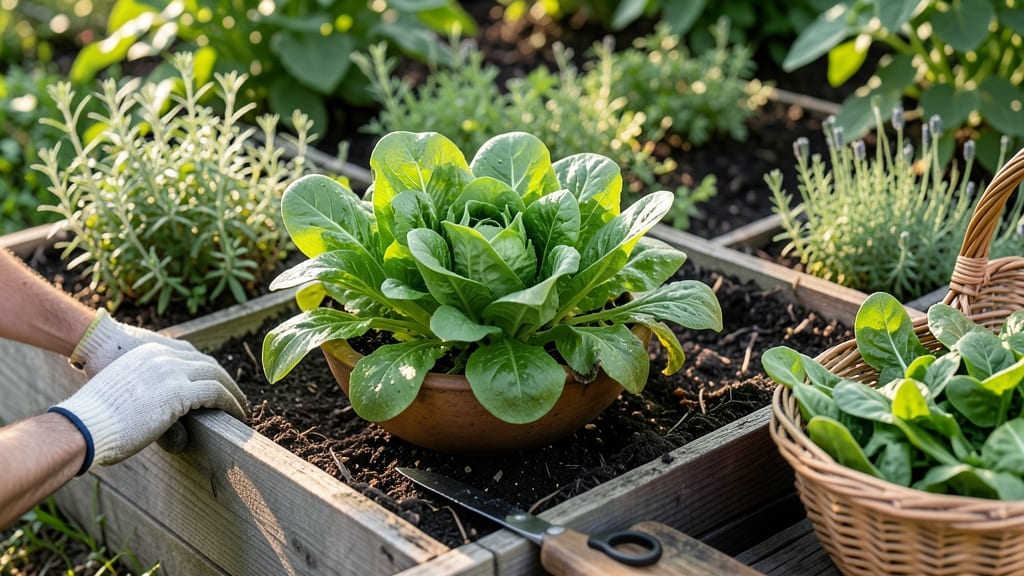
Harvesting salad bowl lettuce at the right time turns your garden into a crisp, flavor-packed salad source—no store-bought mix can compete.
Picture this: you’re about to toss together a vibrant bowl, and instead of wilted greens, you get leaves so fresh they practically snap with every bite. That’s the magic of perfect timing—4-6 inches of dark green, sturdy leaves mean it’s ready.
But here’s the catch: wait too long, and your 🥬 lettuce bolts or turns bitter. Harvest too early, and you sacrifice flavor and texture. Below, I’ll walk you through the exact cues, tools, and techniques to keep your lettuce producing for weeks.
You’ll learn how to cut leaves without damaging regrowth, when to harvest for the crispest texture, and the 3 biggest mistakes that ruin your harvest—so you can enjoy restaurant-quality salads straight from your garden.


When to harvest salad bowl lettuce for maximum crispness and flavor
Timing your salad bowl lettuce harvest is an art that balances crispness, flavor, and regrowth potential. For loose-leaf varieties like Buttercrunch or Romaine, the sweet spot arrives when leaves reach 4-6 inches long but remain tender.
Head lettuce, like Iceberg or Little Gem, should form a tight, compact shape before harvesting. Waiting too long risks bitterness or bolting, while harvesting too early means sacrificing flavor and yield.
Your lettuce’s growth stage is the first clue—look for dark green, vibrant leaves that feel firm to the touch. Younger leaves at the center are often more tender, but harvesting outer leaves first lets the plant continue producing.
Avoid picking during hot afternoons; the heat can stress the plant, leading to wilted or bolted leaves. Instead, harvest in the early morning when leaves are hydrated and crisp.
Weather plays a surprising role in harvest timing. Cool temperatures (50-70°F) slow down growth, extending the window for crisp lettuce. If your region experiences hot summers, prioritize harvesting younger leaves to avoid bitterness. Overcast days are ideal—leaves won’t wilt as quickly, and you’ll preserve that fresh-from-the-garden crunch.
Pay attention to soil moisture too; dry conditions accelerate bolting, turning your salad greens into flowering weeds faster than you can say "bitter lettuce."
For cut-and-come-again varieties, focus on harvesting outer leaves first—this preserves the plant’s ability to regrow. Use a sharp knife or clean scissors to snip leaves just above the soil line or the next set of leaves.
This method works best for loose-leaf lettuce like Oakleaf or Black Seeded Simpson, which can produce for weeks if cared for properly. If you’re growing head lettuce, harvest the entire head at once by cutting the base of the stem with a knife.
Watch for bolting signs—tall, flowering stems shooting up from the center of the plant. This happens when lettuce senses long daylight hours or heat stress, and the leaves turn bitter. If you spot yellowing leaves or loose heads, it’s a sign you’ve waited too long.
Bolt-resistant varieties like Jericho or Winter Density can handle slightly warmer conditions, but even they’ll bolt if stressed. To delay bolting, provide afternoon shade during hot spells and keep the soil consistently moist.
Seasonal timing matters too. In spring, lettuce grows quickly in cool weather, so you can harvest as early as 4-5 weeks after planting. By late summer, growth slows, and leaves may take 6-8 weeks to mature.
For a continuous harvest, plant successive crops every 2 weeks in spring and fall, spacing them to ensure a steady supply of crisp, flavorful greens. This staggered approach works especially well in USDA Zone 6a, where summers can be challenging for lettuce.
Don’t overlook the time of day for harvesting. Early mornings are ideal because leaves are hydrated and cool, preserving crispness. Avoid harvesting in the afternoon heat, when leaves wilt quickly and lose their vibrant color.
If you must harvest later in the day, store the lettuce in the fridge immediately to slow wilting. For container-grown lettuce, check leaves daily—small pots dry out faster, and stressed plants bolt more easily.
One of my favorite tricks is to taste-test a leaf before full harvest. If it’s mild and sweet, it’s ready. If it’s bitter or tough, you’ve
How to harvest salad bowl lettuce without damaging future growth
Harvesting your salad bowl lettuce correctly is the secret to enjoying a steady supply of crisp, flavorful leaves for weeks. Unlike head lettuce, which you harvest all at once, loose-leaf varieties thrive when you use the cut-and-come-again method.
This technique lets you pick outer leaves while leaving the inner growth intact, so your plants keep producing. The key? Knowing which leaves to cut, using the right tools, and giving your lettuce the care it needs after harvest.
Start by identifying the outer leaves—these are the ones ready for harvest. They should be fully grown, dark green, and about 4-6 inches long. Avoid cutting into the inner leaves or the growing point at the base, as this can stunt your plant’s ability to regrow.
Use clean, sharp tools to make precise cuts, and always harvest in the morning when leaves are at their crispest. This method ensures your lettuce keeps producing for weeks, giving you a continuous supply of fresh salad greens.
- Use clean scissors or pruning shears to avoid tearing leaves.
- Cut at a 45-degree angle just above a leaf node to encourage regrowth.
- Leave the inner leaves (heart) intact to keep the plant growing.
- Harvest every 2-3 days in peak growing season for maximum yield.
🌱 Why it works: This method mimics natural leaf growth, preventing stress and encouraging bushier, healthier plants.
Before you start cutting, gather your tools. A sharp pair of scissors or pruning shears is ideal for making clean cuts without crushing the stems. Avoid using your fingers or dull tools, as they can damage the plant and introduce disease.
If you’re harvesting in a container garden, use small, handheld shears for precision. For larger patches, a harvest knife with a serrated edge works well. Always sterilize your tools with rubbing alcohol before and after use to prevent the spread of pests or diseases.
Once you’ve made your cuts, don’t toss the harvested leaves right away. Rinse them gently under cool water to remove dirt and debris, then pat them dry with a clean towel or salad spinner.
Store your harvested lettuce in a sealed container lined with a paper towel to absorb excess moisture, which helps keep leaves crisp. Place the container in the crisper drawer of your fridge, where the high humidity will slow wilting.
With proper storage, your harvested leaves can stay fresh for up to 5-7 days.
After harvesting, give your lettuce some post-harvest care to encourage regrowth. Water the soil deeply to replenish moisture lost during harvest, and avoid overwatering, which can lead to root rot. If your lettuce looks stressed, apply a light nitrogen-rich fertilizer (like a balanced 5-10-10) to promote new leaf growth.
Mulch around the base with straw or shredded leaves to retain moisture and suppress weeds. With the right care, your lettuce can continue producing for 4-6 weeks or longer, depending on the variety and growing conditions.
If you notice your lettuce bolting (sending up a flower stalk) after harvest, it’s a sign of stress, often caused by heat or drought. To prevent this, provide consistent shade during hot afternoons and keep the soil evenly moist.
For varieties prone to bolting, like romaine, consider harvesting earlier in the season or opting for heat-tolerant varieties like black-seeded simpson. With these techniques, you’ll enjoy a bountiful harvest of crisp, flavorful salad bowl lettuce all season long.