
Vegetables
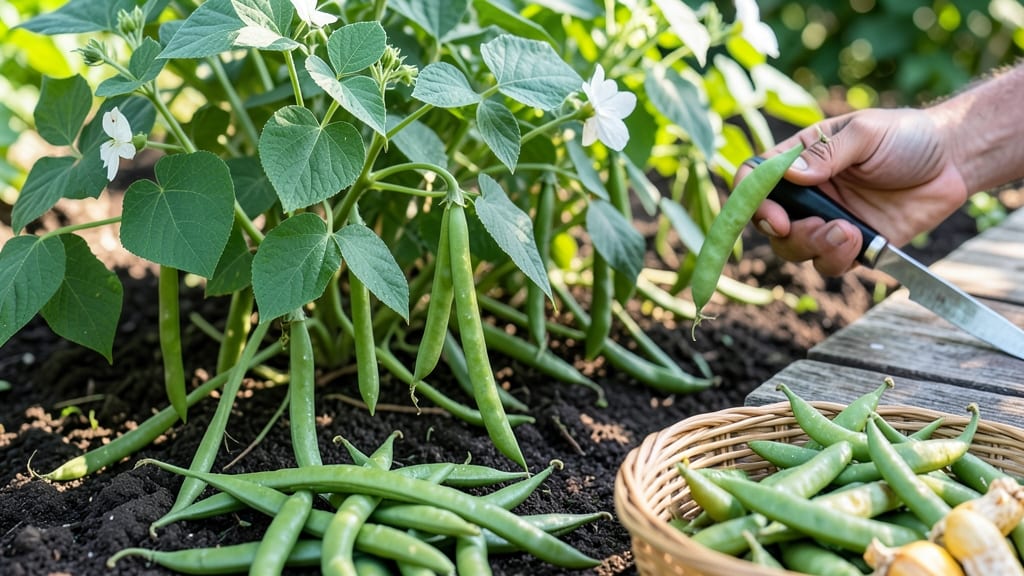
Harvesting green beans at the right time ensures you get pods that are crisp, tender, and bursting with sweet flavor—not tough, stringy, or overripe.
Picture this: you’ve waited weeks for your 🌱 green beans to thrive, and now the pods are popping up left and right. But if you pick them too early or too late, you’re left with either underdeveloped or woody beans.
The key is knowing when those pods hit their peak crunch—and it’s all about size, color, and firmness.
Most green beans are ready to harvest about 50-60 days after planting, when pods reach 4-6 inches long and are bright green with no visible seeds. Bush beans may need picking every 2-3 days, while pole beans can stretch to 3-5 days between harvests.
Skipping this window means sacrificing flavor—and a bumper crop.
Below, I’ll break down the exact visual cues to look for, how often to harvest for maximum yield, and why timing matters more than you might think. Ready to turn your garden into a crunchy, flavorful feast?


Green bean harvesting by pod size: the exact measurements for peak crunch
Harvesting green beans at the right size makes all the difference between crisp, sweet pods and tough, stringy disappointments. The key lies in precise measurements—3 to 6 inches for length and ½ inch or less for width.
These dimensions ensure peak flavor and texture, whether you're growing bush beans or pole beans. Miss this window, and you'll end up with overmature beans that sacrifice quality for quantity.
Why focus on size? Green beans are best when harvested young, before their starches convert to sugars and fibers. A 4-inch pod is ideal for most varieties, but some dwarf types mature faster. Understanding these measurements helps you time your harvests perfectly, maximizing your garden's productivity.
Let’s break down the exact specs for both bush and pole beans to ensure you never pick too early or too late.
📏 Length matters most: Aim for pods between 3 and 6 inches. Below 3 inches, they’re underdeveloped; beyond 6 inches, they toughen up. The sweet spot is usually around 4 to 5 inches, where flavor and crunch peak. For bush beans, this window is tighter—often just 3 to 4 inches—while pole beans can stretch slightly longer before losing quality.
| Variety | Ideal Length | Ideal Width | Harvest Window | Texture Notes |
|---|---|---|---|---|
| Bush Beans (e.g., Blue Lake, Contender) | 3–4 inches | ½ inch or less | 45–55 days after planting | Extra crisp; harvest every 2–3 days |
| Pole Beans (e.g., Kentucky Wonder, Blue Lake) | 4–6 inches | ½ inch or less | 50–60 days after planting | Slightly firmer; harvest every 3–5 days |
| Dwarf Beans (e.g., Blue Lake Bush) | 3–4 inches | ¼ inch or less | 40–50 days after planting | Most tender; harvest aggressively |
For bush beans, the harvest window is narrower because they produce all their pods at once. Once they reach 4 inches, they’ll quickly overmature if left unharvested. Pole beans, on the other hand, climb and produce continuously, giving you a slightly longer window to harvest.
Their pods can stretch to 6 inches while still being tender, but don’t wait too long—they’ll start developing thick skins and large seeds, ruining the delicate texture.
Width is just as critical as length. A pod wider than ½ inch signals it’s past its prime. Use your thumb and forefinger to gently squeeze the pod: if it feels plump but not spongy, it’s ready.
If it’s bulging or hollow-sounding, it’s overripe. This tactile check is faster than measuring and ensures you’re always harvesting at peak freshness. Pro tip: Harvest in the morning when pods are coolest and crispest.
Some varieties, like flat green beans (e.g., Romano or Italian varieties), have slightly different size standards. These beans are best when 3 to 5 inches long and ¼ inch wide—their flat shape makes them more sensitive to overgrowth.
Always check the seed packet for variety-specific guidelines, as some heirloom types mature faster or slower than hybrids. For example, Kentucky Wonder pole beans can handle a 6-inch length but lose crispness quickly after.
Overlooking pod size leads to two common mistakes: underharvesting (letting pods grow too large) and overharvesting (picking too early). Underharvesting stresses the plant and reduces future yields, while overharvesting means missing out on flavor development.
Strike a balance by checking your plants every 2 to 3 days and focusing on pods in the 4-inch range. This routine keeps your plants productive and your table stocked with the freshest, crunchiest beans.
If you’re growing multiple varieties, prioritize harvesting the fastest-maturing types first. For instance, dwarf bush beans might need picking every 2 days, while pole beans can wait 3 to 5 days.
Use a small pruning shears or your fingers to snip pods just above the pod junction—this encourages more growth. Avoid yanking pods off the vine, as this can damage the plant and reduce future yields.
Remember, the sweet spot for green beans isn’t just about size—it’s about timing. A 4-inch, bright green pod with a firm texture is your goal. By mastering these measurements, you’ll turn your garden into a crunchy, flavorful bean factory all season long. Happy harvesting! 🌱
Color and texture cues: how to spot perfectly ripe green beans before harvest
Harvesting green beans at the right moment transforms your garden into a crisp, flavorful feast. The difference between juicy, sweet pods and tough, stringy disappointments often comes down to visual and tactile cues you can spot with a quick inspection.
Ignoring these signs means missing the peak harvest window—usually just a few days—where beans are at their best.
Start by examining the pod's surface texture. Perfectly ripe green beans have a slightly glossy, firm skin that feels crisp to the touch. Dull or wrinkled pods signal they’ve overstayed their welcome, while overly shiny ones may still need time to mature.
This glossy vs. dull contrast is your first clue to timing.
Color consistency is another key indicator. Look for uniform bright green pods without yellowing or brown spots. Even a single yellowing seam means the bean has started drying out inside, turning sweet flesh into fibrous disappointment. Varieties like Blue Lake or Contender stay vibrant longer, but all green beans follow this rule.
🌱 Perfect Harvest Cues Checklist
- Pod Length: 4-6 inches (variety-dependent)
- Surface: Glossy, firm, and slightly waxy
- Color: Uniform bright green (no yellowing)
- Seed Stage: Seeds visible but not bulging
- Stem Test: Snaps cleanly when bent
⚠️ Warning: Waiting just 2-3 days past these cues turns beans tough and woody!
Don’t overlook the seed development stage. At perfect ripeness, seeds inside the pod are visible but not enlarged. If seeds look like they’re pushing against the pod walls, you’ve waited too long.
This is especially critical for bush bean varieties, which mature faster than pole beans and require more frequent checks.
Time of day matters too. Harvest in the early morning when pods are cool and crisp. The stems should snap easily when bent—this confirms the pod is ready.
If stems resist or feel rubbery, give the beans another day. This simple tactile test saves you from harvesting underripe or overmature pods.
Finally, remember that climate affects ripening speed. Hot, dry weather speeds up maturation, while cool, cloudy days slow it down. Adjust your checks accordingly—every 2-3 days in peak summer heat versus every 4-5 days in cooler months.
Staying attuned to these environmental cues ensures you never miss the sweet spot.
Mastering these color and texture cues turns green bean harvesting from guesswork into a precise, rewarding process. With practice, you’ll develop an eye for the perfect moment—when your garden’s bounty is at its peak. Happy harvesting! 🌿