
Picking
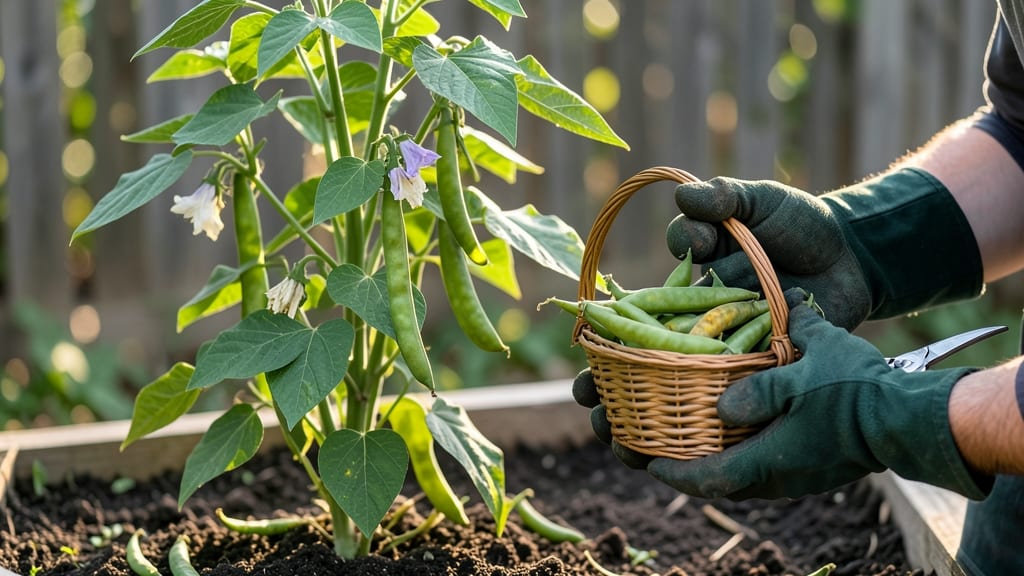
Harvesting bush beans 🌱 at the right time turns your garden into a crisp, flavorful feast—but miss the window, and you’re left with tough, mealy pods that taste like disappointment.
Most gardeners wait too long, assuming bigger beans mean better flavor. The truth? The sweetest, most tender harvest happens when pods are just 4-6 inches long, snapping cleanly with a satisfying pop.
Here’s how to nail the perfect bush bean harvest time every season: the twist test, color cues, and a few pro tips to keep your plants producing longer than you thought possible.
From Zone 6’s July-August peak to regional tweaks, I’ll walk you through what to look for, when to pick, and how to stretch your harvest so your dinner table stays stocked all summer.

How to use the twist test & color guide for perfect bush bean harvest time
Nothing beats the taste of fresh-picked bush beans straight from your garden—but timing is everything. Harvest too early, and you’ll get starchy, underdeveloped pods. Wait too long, and they’ll turn woody and tough.
The secret? Combining the twist test with color cues for foolproof results every time. Whether you’re growing Blue Lake, Kentucky Wonder, or Roma varieties, these methods work for all bush beans.
Most bush beans reach harvest readiness 55 to 80 days after planting, but visual and tactile cues matter more than days alone. The twist test is my go-to trick because it tells you instantly whether a pod is ready—no guesswork involved.
Pair it with color indicators, and you’ll never miss peak ripeness again. Let’s break it down step by step so you can enjoy that crisp, sweet snap every harvest.
Pick a mature-looking pod
Choose a pod that’s 4 to 6 inches long and looks plump. Avoid pods that are pale or uneven in color, as these are underripe.
Grasp the pod near the stem
Hold the pod firmly with your thumb and forefinger, about 1 inch from the plant. This is where you’ll apply the twist.
Twist quickly and firmly
Apply a sharp, twisting motion (like unscrewing a jar lid). If the pod snaps cleanly and the stem stays attached to the plant, it’s ready to harvest.
Check the color cues
For most varieties, pods should be a uniform dark green. Some heirlooms (like Golden Wax) may turn yellow-green. If pods are brown or dry, they’re past their prime.
Harvest with clean scissors
Use sharp pruners or scissors to cut pods just above the leaf node. This prevents damage to the plant and encourages more production.
Pro tip: Harvest in the morning when pods are cool and crisp. This is when their sugar content peaks, and you’ll get the best flavor.
If you’re growing dried beans (like for winter storage), let pods mature fully until they turn brown and papery—but for fresh eating, stick to the twist test!
Different bush bean varieties have slight variations in color and size at harvest. For example, Blue Lake beans should be deep green and glossy, while Kentucky Wonder beans may develop a slight purplish tint.
Always check the seed packet for variety-specific tips, but the twist test remains universally reliable.
Harvesting at the right time isn’t just about taste—it’s about encouraging more production. When you pick beans regularly, the plant focuses energy on producing new pods instead of letting old ones toughen.
Aim to harvest every 2 to 3 days during peak season to keep your plants happy and productive.
If you miss the window and pods start to yellow or brown, don’t toss them! They’re still edible (though less tender) and can be used in stews or soups.
But for that perfect crunch and sweetness, the twist test and color guide are your best friends. Once you master them, you’ll never second-guess harvest time again.
🌱 For extra flavor, try harvesting early in the morning after a light dew—this boosts sweetness even more. Happy harvesting!
Common mistakes that ruin bush bean harvest time (and how to avoid them)
Even experienced gardeners accidentally ruin their bush bean harvest time by missing subtle cues or ignoring plant signals. The 55-80 day window from planting to harvest is tight, and small mistakes can turn crisp, sweet beans into tough, starchy disappointments.
I’ve seen overripe beans develop woody textures and underripe pods that lack flavor—both are easy to avoid with the right knowledge.
One of the biggest mistakes is harvesting based on calendar days alone instead of visual maturity. While most varieties mature in 60-70 days, cooler temperatures or poor soil can delay ripening.
Ignoring these factors means you might pick beans that are past their prime or still too young. Always check for the right color, pod size, and seed development before harvesting.
Another common error is waiting until beans turn yellow or brown before picking. By then, they’ve lost their crisp texture and developed a bitter taste. Dark green pods with visible seeds but still tender walls are the sweet spot.
If you miss this window, your beans will become fibrous and unappetizing—a fate no gardener wants for their hard work.
⚠️ Harvesting Too Late = Woody Beans
Once bush beans turn yellow or brown, their cell walls thicken and become woody. This happens within 2-3 days of their prime window. Check pods daily during peak harvest season to avoid missing the sweet spot.
Many gardeners also make the mistake of harvesting irregularly, which stresses the plant and reduces future yields. Bush beans produce best when you pick every 2-3 days during peak season.
Skipping harvests forces the plant to redirect energy into seed production instead of new pods, shortening your total harvest time. I’ve seen yields drop by 30-40% when gardeners wait too long between pickings.
To extend your harvest season, try succession planting every 2 weeks after the first frost. This ensures a steady supply of fresh beans instead of a single overwhelming harvest. Also, choose heat-tolerant varieties like ‘Blue Lake’ or ‘Contender’—they produce longer in hot climates.
Mulching with straw can also keep soil cool and retain moisture, helping plants stay productive longer.
Finally, avoid harvesting when pods are too small or pale green. These beans lack flavor and nutrients, no matter how eager you are for a harvest. Wait until pods reach 4-6 inches and snap crisply when bent—this is your guarantee of sweetness.
With these tips, you’ll transform your harvest from mealy disappointments to crisp, flavorful perfection every time.