
Picking
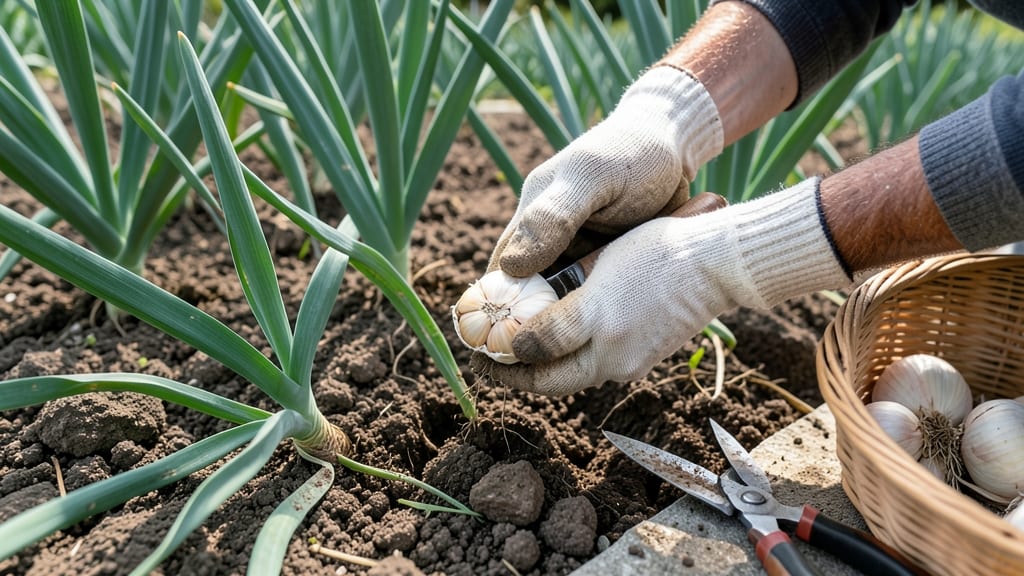
Harvesting garlic in Michigan at the right time means the difference between a bold, flavorful bulb and a weak, pungent one — and the clock starts ticking in late June.
Timing your garlic harvest in Michigan’s unpredictable climate can mean the difference between a flavorful crop and a disappointing one—so knowing when to pull those bulbs is crucial for every gardener.
If you dig too early, you’ll end up with small, underdeveloped cloves. Wait too long, and the bulbs may split or rot in the wet Michigan soil.
The key is watching for leaf browning and testing bulb size. When about half the leaves turn yellow and dry out, it’s time to dig. Press a bulb gently—if it feels firm and the cloves are separated by papery skin, you’ve got the perfect harvest window.
Below, I’ll walk you through the exact signs to look for, the best tools to use, and how to cure your garlic for long-term storage—so you can enjoy homegrown flavor all year long.


Signs your Michigan garlic is ready for harvest: leaf browning & bulb test
Michigan's Zone 5-6 climate creates unique challenges for garlic growers, where timing is everything to avoid early frost or overripe bulbs. The key indicators—leaf browning and bulb firmness—often appear between late June and early July for hardneck varieties, with softneck types maturing slightly later.
Missing these signs can mean sacrificing flavor or storage potential, so let's break down how to read your plants like a pro.
First, focus on the lower leaves—they're your early warning system. When about 50% of the leaves turn straw-colored and crispy while the top remains green, that's your cue. Hardneck varieties often show this between June 20-July 4, while softnecks may wait until late July.
This color shift signals the bulb has stopped growing and is redirecting energy to storage.
Next, perform the bulb firmness test by gently pressing the soil near the base. Ready bulbs should feel solid and dense, like a small rock, while immature ones will yield slightly.
Dig up one test bulb to check for paper skin formation between cloves—this is the ultimate sign of harvest readiness. If the cloves aren't separated by this papery layer, give them another week or two.
The stem condition offers another clue. When the stems turn brown and papery (like dried straw) while still standing upright, your garlic is nearly ready. This happens because the plant is shutting down its above-ground growth to preserve energy in the bulb.
However, never wait until all leaves are brown—that's a sign of overmaturity, which reduces storage life.
Michigan's variable weather patterns add complexity. If you're in northern Michigan (Zone 5), prioritize harvesting before the first frost warning, typically around mid-October. Southern growers (Zone 6) have slightly more flexibility but should still harvest before mid-September to prevent bulb splitting.
Always check your local frost date predictions as a backup.
For soil testing, dig down 6 inches near the plant base. The bulb should be fully formed with a diameter of at least 1.5-2 inches. If you see smaller bulbs or green shoots forming inside, they need more time.
Remember: hardneck varieties (like 'German White' or 'Music') mature faster than softnecks (like 'Artichoke' or 'Silverskin').
One common mistake is over-relying on calendar dates. While late June works for many Michigan gardens, planting time matters too. Garlic planted in October-November will harvest earlier than spring-planted varieties. Adjust your expectations based on when you put those cloves in the ground—earlier planting means earlier harvesting.
To confirm readiness, use the three-point check:
- 50% brown bottom leaves
- Firm bulbs when pressed
- Papery skin between cloves If all three conditions are met, it's time to harvest.
This method works for both hardneck and softneck varieties grown in Michigan's climate, ensuring you get the best flavor and storage potential.
If you're growing multiple garlic varieties, harvest them sequentially. Start with the hardnecks (like 'Chesnok Red' or 'German White') as they mature first, then move to softnecks. This staggered approach prevents overcrowding during your curing process and ensures you can handle each type at its peak.
Pro tip: Label your rows when planting so you know which variety is which during harvest.
For Michigan-specific adjustments, consider your soil type. In sandy soils (common in northern Michigan), bulbs may mature faster due to better drainage, while clay-heavy soils
Step-by-step guide to harvesting garlic in Michigan’s seasonal timeline
Michigan’s Zone 5-6 climate creates unique challenges for garlic harvesters, where timing is everything. Hardneck varieties like Music or German Red typically mature between late June and early July, while softneck types like Artichoke may wait until late July.
Missing these windows risks underripe bulbs or overmature cloves that split during storage.
Watch for leaf browning starting at the base—this signals the plant is redirecting energy to bulb development. Meanwhile, hardneck scapes (if present) should be removed in early summer to boost bulb size, but don’t let this delay your harvest timing.
Michigan’s unpredictable spring rains can also complicate things, so flexibility is key.
🌱 7 Steps to Harvest & Cure Michigan Garlic
- Step 1: Test bulb maturity by gently digging up 1-2 plants in late June (hardneck) or late July (softneck). Look for paper skin forming between cloves.
- Step 2: Harvest on a dry day when soil is not soggy (after 2-3 days without rain). Use a fork or spade to loosen soil 2-3 inches deep around the bulb.
- Step 3: Brush off excess soil but leave root attachments intact. Trim stems to 1-2 inches above the bulb to reduce moisture loss during curing.
- Step 4: Cure in a shaded, well-ventilated area with 60-70°F temperatures and 50-60% humidity. Avoid direct sunlight to prevent green tops or sunscald.
- Step 5: Check for mold daily. Remove any bulbs showing soft spots or fuzz immediately. A fan or screen porch works well for airflow in Michigan’s humid summers.
- Step 6: Full cure takes 2-4 weeks. Bulbs are ready when neck papery skin is dry and crisp, and roots are brown and shriveled.
- Step 7: Store in a cool, dark place (50-60°F) with good airflow. Braid softneck varieties for long-term storage (up to 12 months), while hardneck can be stored loose.
Michigan’s humid summers demand extra vigilance during curing. If your garage feels too damp, consider a dehumidifier or move bulbs to an unheated basement. Overcrowding during storage accelerates mold, so leave 1-2 inches of space between braids or bulbs.
Pro tip: Label your garlic varieties with planting dates and harvest times—this helps track maturity differences between early-season hardnecks and late-season softnecks in Michigan’s variable climate. A simple chalkboard or garden journal keeps you organized.
With these steps, your Michigan-grown garlic will store beautifully through winter, ready for holiday meals or spring planting. Just remember: patience is key—rushing the cure leads to shriveled cloves, while waiting too long risks moldy bulbs. 🧄