
Vegetables
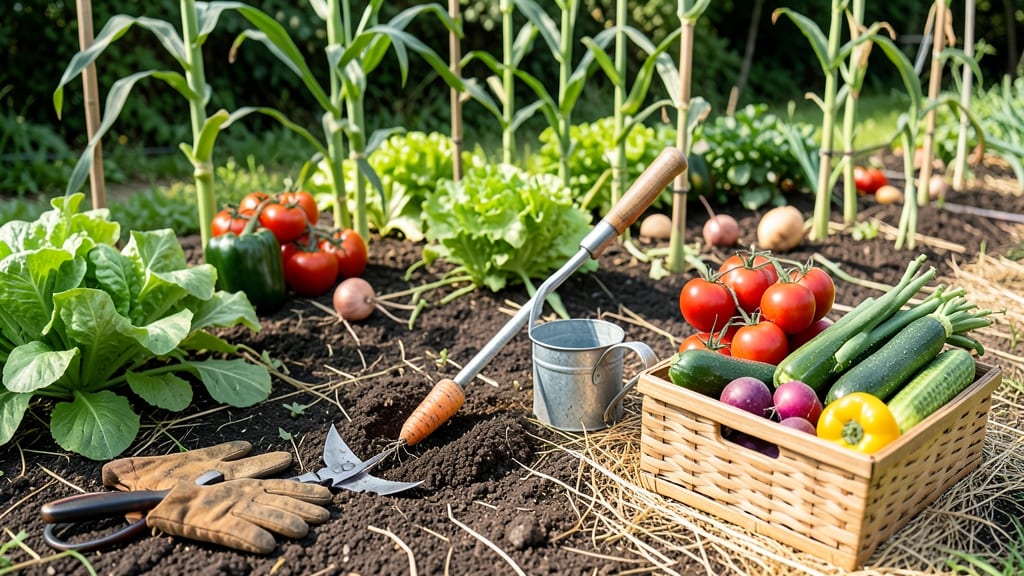
Knowing the exact vegetable harvest times can turn a good garden into a spectacular one—because timing really is everything when it comes to flavor and yield.
Picture this: you’ve spent months tending to your 🥕, and now you’re staring at produce that’s either still hard or already past its prime. That’s the difference between a harvest that wows and one that disappoints—and it all comes down to when you pick.
From leafy greens that bolt if left too long to tomatoes that split if you wait too late, each vegetable has its own sweet spot. Below, I’ll break down the ideal windows, the telltale signs of readiness, and how to adjust for your climate so you never miss a beat.
You’ll leave here knowing not just when to harvest, but how to tell if it’s truly ready—so you can enjoy the freshest, most flavorful vegetables straight from your garden.


Seasonal vegetable harvest times by plant type
Knowing when to harvest your vegetables isn't just about timing—it's about unlocking their peak flavor and nutritional value. Each plant type has its own optimal harvest window, and missing it can mean the difference between crisp, sweet carrots and woody, bitter ones.
Let’s break down when to pick your leafy greens, root vegetables, fruits, and legumes based on their growth cycles and regional adjustments.
For leafy greens like lettuce and spinach, timing is critical because they bolt (go to seed) quickly in warm weather. Early spring and fall are ideal, but heat-tolerant varieties like Swiss chard can extend your harvest into summer.
Meanwhile, root vegetables like carrots and beets need consistent soil moisture to develop sweetness, so harvest them when they reach their mature size but before they get too large or tough.
| Plant Type | Season | Harvest Window | Regional Adjustments |
|---|---|---|---|
| Leafy Greens (Lettuce, Spinach, Kale) | Spring, Fall | April-May, Sept-Oct (USDA Zone 6) | Northern climates: Extend with row covers. Southern climates: Harvest early morning to avoid heat stress. |
| Root Vegetables (Carrots, Beets, Radishes) | Spring, Summer, Fall | May-June (radishes), July-Aug (carrots), Sept-Oct (beets) | Cooler regions: Plant early for spring harvest. Warmer regions: Use shade cloth to prevent bolting. |
| Fruiting Plants (Tomatoes, Peppers, Cucumbers) | Summer, Early Fall | June-Sept (tomatoes), July-Aug (peppers), July-Aug (cucumbers) | Northern climates: Use black plastic mulch to warm soil. Southern climates: Provide afternoon shade to prevent sunscald. |
| Legumes (Green Beans, Peas, Soybeans) | Late Spring, Summer | June-July (peas), July-Aug (green beans), Aug-Sept (soybeans) | Short-season areas: Choose early-maturing varieties. Longer seasons: Succession plant every 2 weeks. |
| Herbs (Basil, Cilantro, Parsley) | Spring, Fall | May-June (basil), April-May (cilantro), June-July (parsley) | Hot climates: Harvest basil early to avoid bolting. Cool climates: Protect cilantro with frost blankets. |
Fruiting plants like tomatoes and peppers are all about color cues—wait until they turn their mature hue (deep red for tomatoes, vibrant green for peppers) and feel slightly soft when gently squeezed. Legumes, such as green beans and peas, should be harvested when pods are firm but not overly thick, typically 5-7 days after flowering.
Overlooking these windows can lead to tough, stringy, or seedy produce.
Regional adjustments are key to success. In cooler climates, like USDA Zone 4, start harvesting leafy greens as early as late April and wrap up by early October before frost hits. Meanwhile, in warmer zones (Zone 8+), you can extend harvests into November with shade cloth or row covers.
For example, radishes in Zone 6 might be ready in 30 days, but in Zone 9, they could bolt in just 25 days if not harvested promptly.
Don’t forget about succession planting—this technique lets you stagger harvests by sowing seeds every 2-3 weeks. It’s perfect for bush beans or lettuce, ensuring a steady supply instead of one massive harvest.
For example, plant a new row of lettuce every 10 days in spring and fall to enjoy fresh greens all season long.
If you’re growing heirloom varieties, they often have longer maturity dates than hybrid counterparts. For instance, heirloom tomatoes might take 85-90 days to ripen compared to 60-70 days for hybrids. Always check seed packets for days to maturity and adjust your planting schedule accordingly.
In my garden, I’ve found that early-season varieties of spinach (like 'Bloomsdale Long Standing') are ready in just 40 days, while late-season types can stretch to 60 days.
One of my biggest mistakes early on was harvesting zucchini too late—by the time I noticed their size, they were oversized and seedy. Now, I check them every 2-3 days and pick them when they’re 6-8 inches long for the best texture and flavor. The same goes for c
How to determine when vegetables are ready to harvest
Knowing exactly when to harvest your vegetables can be tricky, but mastering a few simple techniques will transform your garden from hit-or-miss to consistently delicious. The key lies in observing color changes, physical maturity, and even taste tests—each vegetable has its own telltale signs.
For example, tomatoes should be firm with vibrant color, while lettuce often bolts if left too long. I’ve learned that harvesting at the right moment not only improves flavor but also encourages your plants to produce more.
One of the biggest mistakes I see is harvesting too early for sweetness or too late for texture. Overripe vegetables can become mushy or bitter, while underripe ones lack the full flavor potential.
Let’s break down the most reliable methods to determine ripeness, so you can enjoy garden-fresh produce at its peak. Start by checking the size and shape first, then move to color and texture—this order helps avoid common pitfalls.
For leafy greens like spinach or kale, the best time to harvest is when the leaves reach about 4–6 inches tall. Use clean scissors to snip the outer leaves, leaving the inner growth intact—this encourages regrowth and extends your harvest window.
I’ve found that harvesting in the morning, when moisture levels are highest, gives the crispest texture and most vibrant color. If you wait until afternoon, the leaves can wilt quickly in the heat.
Root vegetables like carrots and beets are trickier because you can’t see their progress underground. The soil should be loose and well-draining to avoid forking or splitting. Gently brush away the dirt near the tops—if the shoulders are visible and the roots feel firm, they’re ready.
Overcrowded plants often produce smaller roots, so thinning seedlings early is crucial. For potatoes, wait until the plant flowers fade, then dig carefully to avoid damaging the tubers.
Fruiting vegetables like tomatoes, peppers, and eggplants require close attention to color and texture. A ripe tomato should slip easily from the vine when gently twisted, while peppers should be firm and glossy.
If you’re growing heirloom varieties, taste-testing is your best friend—some tomatoes stay green until they’re nearly overripe! For cucumbers, harvest when they’re still firm and bright green to avoid bitterness. Pro tip: Use a small knife to cut stems to prevent damaging the plant.
Don’t forget about legumes like beans and peas—they’re ready when pods are plump and seeds inside rattle slightly when shaken. Harvesting regularly encourages more production, so check your plants every 2–3 days.
One of my biggest lessons? Overripe vegetables often attract pests like squash bugs or aphids, so timely harvesting keeps your garden healthier.
When in doubt, err on the side of picking early—you can always leave a few to ripen further, but once they’re past their prime, flavor and quality decline rapidly.