
Picking
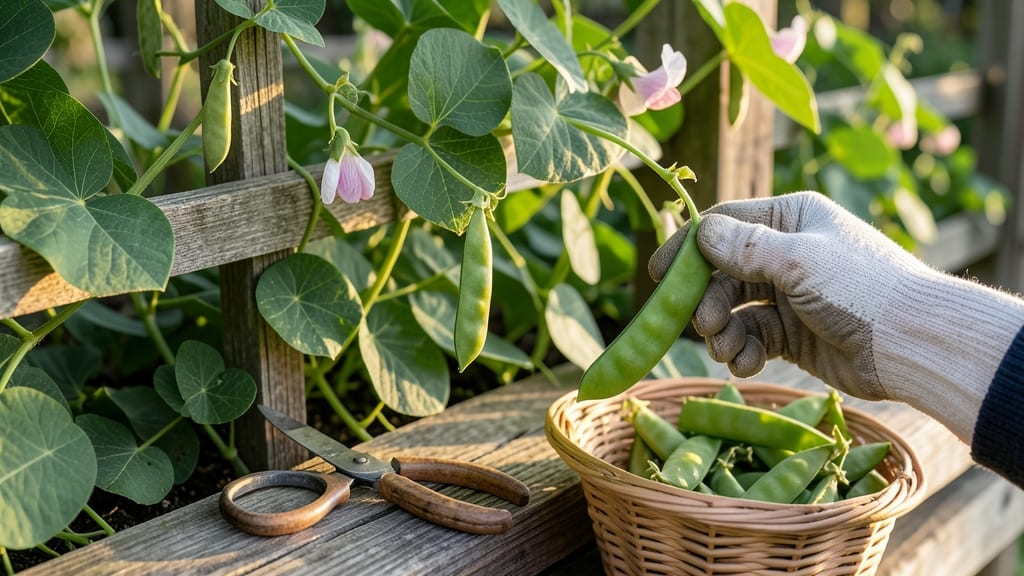
Harvest garden peas when pods are 1-2 inches long and bright green 🌱 — that’s the sweet spot between tender and tough.
Picture this: you’ve waited 60-70 days for those first plump pods, only to snap them open and find mealy, overripe peas. That’s the difference between a flavorful bounty and a bitter disappointment. Timing is everything, and missing it means sacrificing both taste and yield.
In Zone 6, where spring’s last frost lingers around mid-April, most gardeners start planting in March. By late May or early June, your peas should be ready—if you know what to look for.
The key? Firm pods that yield slightly when pressed, with tiny seeds barely visible through the shell. Wait too long, and those seeds swell, turning your harvest into a tough, starchy mess.
Here’s what you’ll learn how to do: spot the three telltale signs of peak ripeness, adjust your harvesting schedule based on weather, and even salvage overripe pods for soups or freezing. No more guesswork—just perfectly sweet peas, pod after pod.


3 Visual & tactile signs your garden peas are ready for harvest
There’s nothing worse than biting into a garden pea that’s tough or mealy—it means you missed the perfect harvest window. The good news? Peas give you clear visual and tactile cues when they’re at their peak.
By learning to read these signs, you’ll ensure every pod you pick is sweet, tender, and bursting with flavor. The key is acting fast once you spot these three telltale indicators.
Most garden pea varieties reach harvest readiness around 60-70 days after planting, but timing can shift based on your climate. That’s why relying on the pod’s appearance and texture—not just days since sowing—is your best strategy.
Overripe peas lose their delicate sweetness and develop woody fibers, while underripe ones lack the full, rich taste you’re after. Let’s break down the exact signals to watch for.
Pro tip: Morning harvests are ideal because peas are cool and crisp after a night’s rest. Avoid picking after rain—wet pods bruise easily and spoil faster. If you’re unsure, do the squeeze test: press a pod gently.
It should feel like a fresh green bean, not a rock or a sponge.
For sugar snap peas or snow peas, the rules are slightly different—these varieties stay tender longer and can be harvested when pods are flat and slightly larger.
But for classic garden peas, stick to the 1-2 inch rule. Once you master these cues, you’ll never waste a single pod again!
Another trick? Pinch off a few pods and taste-test them. If they’re sweet and snap slightly when bent, your peas are ready. If they’re bland or fibrous, hold off for another day or two. This tactile feedback is your secret weapon for peak flavor every time.
Don’t forget: Consistent harvesting encourages your pea plants to produce more pods. The more you pick at the right stage, the longer your harvest season stretches.
And if you miss a pod or two? No stress—overripe peas still make great additions to soups or stir-fries, though they’ll lack that garden-fresh crunch.
Once you’ve nailed the harvest timing, store your peas in the fridge for up to 5 days in a paper towel-lined container to keep them crisp. For longer storage, blanch and freeze them—just be sure to harvest at the perfect stage first!
The effort pays off with buttery, sweet peas straight from your garden.
Now that you know the signs, grab your harvesting shears or snip with clean scissors just above the pod to avoid damaging the plant. Happy picking—your taste buds will thank you!
How often to check peas & best harvesting methods to preserve sweetness
Knowing when to harvest garden peas isn't just about timing—it's about creating a rhythm with your plants. I’ve found that checking peas every 2-3 days during their peak production phase (about 60-70 days after planting) ensures you never miss the sweet spot.
This frequent monitoring prevents pods from toughening or overfilling, which can turn your harvest from delightful to disappointing.
Morning is the ideal time to harvest peas because the pods are cool and crisp after the night’s dew has evaporated. This makes them easier to pick and preserves their peak sweetness—a trait that fades quickly if left in the heat of the afternoon.
I always grab my basket right after breakfast and head straight to the garden before the sun climbs too high.
Here’s a pro tip: Pinch off any flower buds that appear after your main harvest begins. This might sound counterintuitive, but it redirects the plant’s energy toward producing more pods instead of seeds.
I learned this trick from my neighbor, and it’s extended my harvest season by nearly 2 weeks each year.
- Size: Pods should be 1-2 inches long—no longer!
- Texture: Firm but slightly yielding when squeezed (like a ripe avocado)
- Color: Bright, uniform green—no yellowing or browning
- Seeds: Tiny and not visible through the pod
🌱 Harvesting too late? Overripe peas turn mealy and lose sweetness—use them for soups or freezing instead!
If you’re growing sugar snap peas or snow peas, the rules are slightly different. These varieties stay sweet even when slightly larger, but I still aim to pick them when they’re 3-4 inches long for the best texture.
The key is consistency—once you establish a routine, your peas will thank you with a bountiful, flavorful harvest.
For continuous production, I’ve also started harvesting every other day once the plants are mature. This encourages the vines to keep producing new flowers and pods.
Just be sure to check your plants daily during peak season—missing just a few days can mean the difference between tender, sweet peas and tough, fibrous ones.
After harvesting, I like to store peas in the fridge for up to 5 days in a perforated bag. For longer storage, I’ll blanch and freeze them—this locks in their sweetness for months.
The secret to a great pea harvest isn’t just about knowing when to pick, but also how to preserve that fresh-picked flavor.