
How To
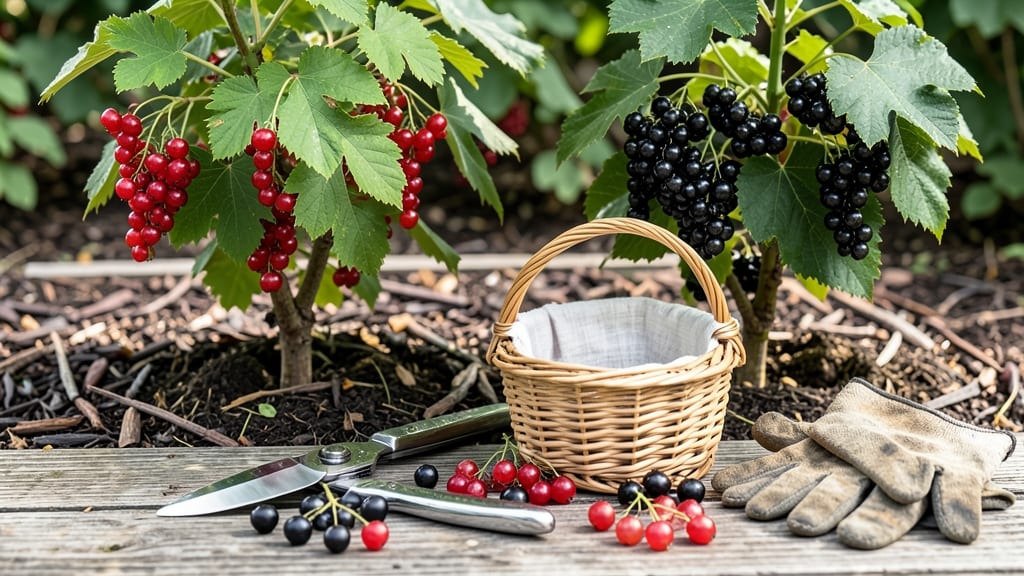
Harvesting currants at the right moment turns your 🫐 shrub into a flavor powerhouse—wait too long, and you’re left with mealy, overripe berries that birds will snatch up before you even notice.
Most gardeners miss the sweet spot because they focus on color alone, but the true test is how easily the berries release from the stem. A ripe currant should pop off with just a gentle tug, while unripe ones cling like glue.
This small detail makes all the difference between jam-worthy fruit and a sad, mushy pile.
For red, black, or white varieties, timing shifts slightly: red currants peak when fully colored and plump, while black currants deepen to a glossy purple-black. White currants, often overlooked, ripen when they turn pale yellow-green and feel firm yet yielding.
Ignore these cues, and you risk losing flavor—or worse, attracting pests before you can enjoy your harvest.
In this guide, I’ll walk you through the exact stages to watch for, how to beat the birds to the berries, and the best tools to pick without crushing a single one. By the end, you’ll know precisely when to harvest for peak taste and storage life.


3 Color-coded stages for harvesting currants (with exact ripeness indicators)
Mastering the art of harvesting currants starts with understanding their color-coded ripeness stages. Each stage—unripe green, ripe mature color, and overripe—signals a dramatic shift in flavor, texture, and storage life.
For red currants, black currants, and white currants, color is your best indicator of when to pick for peak quality.
Currants ripen quickly, often in just 7-10 days, so timing is critical. Harvesting too early means tart, underdeveloped berries, while waiting too long results in soft, seedy, or bird-snacked fruit.
The key is catching them at the optimal ripeness window, where flavor and texture are at their best.
Below is your color-coded guide to currant ripeness, including exact visual cues and how each stage affects your harvest. Use this table to plan your picking schedule and avoid common mistakes that ruin flavor or storage potential.
For red currants, the ripe stage is when berries turn a vibrant red and detach easily from the stem with a slight tug.
If they’re still clinging tightly, they need 2-3 more days to ripen. Black currants reach perfection when their color deepens to a glossy purple-black, and they feel slightly soft when gently squeezed.
White currants are trickier because their color change is subtle. Look for a shift from greenish-white to creamy white, and check for translucency when held up to light. Overripe white currants turn yellowish and develop a fermented smell, so harvest them promptly.
Pro tip: Test ripeness by gently pinching a berry. If it detaches cleanly from the stem and feels plump but firm, it’s ready. If the stem tears or the berry crushes, it’s past its prime.
This simple test saves hours of waiting and ensures peak flavor in every bite.
Regional climates affect ripening speed. In cooler zones (USDA 3-5), currants may take 10-14 days to ripen, while in warmer zones (USDA 7-9), they can go from ripe to overripe in just 3-5 days.
Monitor your bushes daily during peak harvest season (July-August) to avoid missing the window.
Once you’ve mastered the color cues, focus on harvesting techniques to preserve quality. Use sharp pruning shears to snip clusters cleanly, avoiding the stems to prevent mold spread. Place harvested currants in a shaded, breathable container and refrigerate immediately to extend freshness.
Remember: Currants are self-pollinating, but their flavor peaks when harvested at the right moment. By following this color-coded guide, you’ll transform your garden
Best harvesting tools and techniques to preserve currant quality
Harvesting currants carefully is the secret to preserving their vibrant flavors and juicy textures. Using the wrong tools or techniques can lead to bruised berries that spoil quickly or lose their sweetness—so let’s explore how to pick them like a pro while keeping them fresh for weeks.
The right harvesting tools make all the difference. Currants are delicate, so avoid pulling them by hand unless you’re gentle enough to detach individual berries without crushing. Instead, opt for sharp, clean pruning shears or harvesting scissors designed for small fruits to snip clusters cleanly at the stem.
Here’s a quick comparison to help you choose the best method for your harvest:
Harvesting Tools & Techniques
- ✅ Gentle for individual berries
- ✅ No tools required
- ❌ Risk of bruising clusters
- ❌ Slower for large harvests
- ✅ Clean cuts for clusters
- ✅ Faster for large harvests
- ❌ Requires sharp tools
- ❌ Can damage stems if dull
Best Technique:
For red currants, harvest clusters intact using shears. For black or white currants, pick individual berries by hand or snip small groups to avoid crushing.
When harvesting, focus on cluster vs. individual berries. Red currants grow in tight clusters, so snip the entire stem to preserve their shape and prevent spreading disease.
Black and white currants, however, are often harvested one by one to avoid overripening—so gently twist or pluck them while supporting the stem with your other hand.
Timing matters too! Harvest on a cool morning after dew has dried to reduce moisture and prevent mold. Work quickly and store berries in a shaded, well-ventilated container until you can process them.
For long-term storage, spread them on a tray to dry or refrigerate in a single layer to maintain freshness.
Pro tip: Freeze currants for later use by spreading them on a baking sheet before transferring to a bag. This locks in flavor and extends their shelf life for months—perfect for jams, sauces, or fresh snacks when the season ends.