
How To
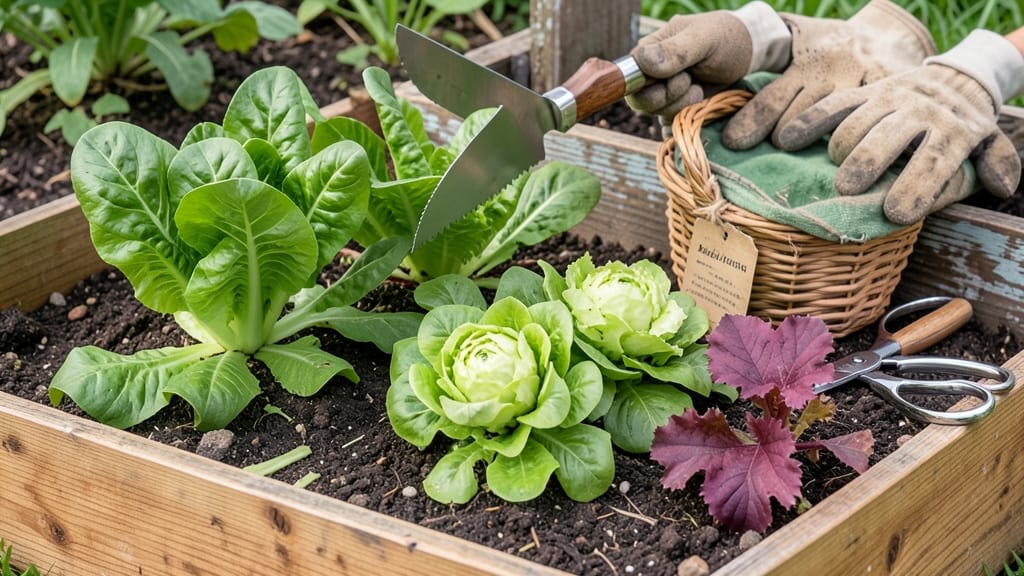
To properly harvest lettuce 🥬, you’ll want to focus on timing, technique, and plant health to keep your garden producing crisp, flavorful leaves all season long.
Harvesting lettuce the right way can turn a one-time harvest into a never-ending supply—if you know the secret of leaf-by-leaf cutting that keeps your plants thriving.
Many gardeners make the mistake of pulling the whole plant or harvesting too early, which stunts growth or causes bitterness. Instead, you’ll learn how to pick outer leaves first, leaving the inner ones to grow bigger and tastier.
In this guide, I’ll walk you through the exact steps for when to harvest, the best tools to use, and how to encourage regrowth so your lettuce keeps producing for weeks.


Step-by-step guide to leaf-by-leaf lettuce harvesting for long-term growth
Harvesting lettuce the right way can extend your harvest season by weeks—or even months—without sacrificing plant health. The key lies in leaf-by-leaf cutting, a gentle method that stimulates regrowth while keeping your plants productive.
Unlike cutting the entire head, this approach lets you enjoy fresh leaves for weeks, especially with loose-leaf varieties like romaine or butterhead. I’ve perfected this technique over years of container gardening, and it’s the secret to a never-ending supply of crisp, homegrown greens.
Timing is everything when harvesting lettuce. Wait until the outer leaves reach 4-6 inches in length—this is when they’re fully developed but still tender. For head lettuce varieties, like iceberg, you’ll harvest the whole plant at once, but for leaf lettuce, patience pays off.
Start harvesting when the plant has at least 6-8 mature leaves, and you’ll encourage the center to produce more. This method works best in spring and fall, when temperatures stay mild and lettuce thrives.
How to Properly Harvest Lettuce
-
Step 1: Choose the Right Tools
Use a sharp pair of scissors or clean pruning shears to avoid tearing leaves. A small knife works too, but keep it sanitized to prevent disease. -
Step 2: Select Outer Leaves First
Pick the largest, most mature outer leaves to harvest. These are ready while the inner leaves stay protected to grow bigger. -
Step 3: Cut 1-2 Inches from the Base
Make a clean cut 1-2 inches above the soil line at a 45-degree angle. This prevents water from pooling and reduces rot risk. -
Step 4: Leave the Inner Core Intact
Never remove more than one-third of the plant at a time. The central growth point must stay undamaged to produce new leaves. -
Step 5: Harvest Every 2-3 Days
For continuous growth, harvest every 2-3 days during peak season. This keeps the plant producing without stressing it. -
Step 6: Post-Harvest Care
Water the plant deeply after harvesting to replenish moisture. Add a light mulch to retain soil moisture and protect roots.
Pro Tip: Harvest in the morning when leaves are crispest and most flavorful!
Not all lettuce varieties respond the same way to leaf-by-leaf harvesting. Loose-leaf lettuces like oakleaf and red sails are ideal because they regrow vigorously after cuts. Butterhead varieties, like Bibb, also tolerate this method well, though they may take longer to recover.
Avoid this technique with iceberg lettuce, which is best harvested whole—cutting leaves won’t encourage regrowth in this variety.
One of the biggest mistakes I see is harvesting too aggressively. If you remove more than one-third of the plant at once, the remaining leaves may bolt (send up a flower stalk) or wilt from stress. Always prioritize leaving the inner leaves and central growth point intact.
Another common error is using dull tools, which crush leaves and invite pests like slugs. Invest in a sharp pair of scissors or a clean knife to make precise cuts that heal quickly.
After harvesting, your lettuce will need extra care to bounce back. Water the soil deeply to help it recover, and consider adding a balanced fertilizer (like 5-10-10) if the plant looks tired.
For container-grown lettuce, I often mix in a handful of compost to replenish nutrients. If you’re growing in hot summer months, provide afternoon shade to prevent bolting—lettuce hates heat stress!
For the best results, rotate your harvesting schedule. If you have multiple plants, stagger your cuts so no single plant bears the brunt of frequent harvesting. This keeps the entire crop productive for 6-8 weeks or longer, depending on the variety.
In my garden, I’ve had romaine lettuce produce for nearly 10 weeks using this method, far outlasting a single harvest.
If your lettuce starts to bolt (sending up a tall flower stalk), it’s a sign of stress—usually from heat, drought, or over-harvesting. To prevent this, harvest in the cool months, keep soil moist, and avoid cutting more than one-third of the plant at a time.
Once bolting starts, the leaves will turn bitter, but you can still enjoy them in salads or smoothies before they seed.
Leaf-by-leaf harvesting isn’t just about extending your harvest—it’s about maximizing flavor and yield while keeping your plants healthy. With the right tools, timing, and care, you’ll enjoy a steady supply of fresh lettuce all season long.
Try it with your next batch of loose-leaf varieties, and you’ll be amazed at how much more you can grow from the same space!
Common mistakes that ruin lettuce harvests (and how to avoid them)
Even the most patient gardeners can accidentally turn their lettuce harvests into a bitter, bolting disaster. The key lies in avoiding common harvesting mistakes that stress plants and trigger unwanted growth patterns.
I've learned the hard way that over-harvesting or wrong timing can ruin weeks of careful cultivation in just one session.
Your lettuce plants communicate their needs through subtle signals—wilting, yellowing, or premature flowering all mean you've crossed a critical line. Understanding these signs early prevents stunted growth and bitterness development, which can make even the freshest leaves inedible.
Let me share the most destructive habits and how to break them.
⚠️ How to Properly Harvest Lettuce
Use clean, sharp scissors or your fingers to pinch off outer leaves at the base. Never remove more than 1/3 of the plant at once. For loose-leaf varieties, harvest every 2-3 weeks to maintain continuous growth. For head lettuce, cut the entire head 1 inch above soil when fully mature.
Avoid harvesting in hot afternoon sun—wait until morning hours when leaves are crisp. This prevents bolting and maintains tender texture.
One of the biggest mistakes I see is harvesting too early. Young, tender leaves might look perfect, but pulling them too soon stunts the plant's ability to produce more.
Wait until leaves reach 4-6 inches in length before making your first cuts. This gives your lettuce enough energy to recover and regrow.
Another silent killer is neglecting post-harvest care. After cutting, always water deeply and apply a light nitrogen-rich fertilizer to encourage new leaf growth. Skipping this step leaves plants vulnerable to nutrient deficiencies and pest attacks.
I've seen lettuce beds go from lush to lifeless in just days when this step is missed.
Heat stress is another common enemy of lettuce harvests. When temperatures rise above 75°F (24°C), lettuce plants often bolt prematurely, sending up bitter flower stalks.
To prevent this, provide afternoon shade during hot months and keep soil consistently moist. Mulching with straw helps maintain even moisture levels and keeps roots cool.
Finally, don't make the mistake of harvesting damaged leaves. Yellowed, spotted, or wilted leaves should be removed immediately to prevent disease spread. These leaves can't recover and will only drain resources from healthy growth. Always prioritize healthy outer leaves for harvesting to protect your plant's core.
By avoiding these common pitfalls, you'll transform your lettuce harvests from one-time events into continuous yields. The secret isn't just in how you cut—it's in understanding when to cut, how much to leave behind, and how to care for your plants between harvests.
With these adjustments, you'll enjoy fresh, crisp lettuce all season long. 🥬