
How To
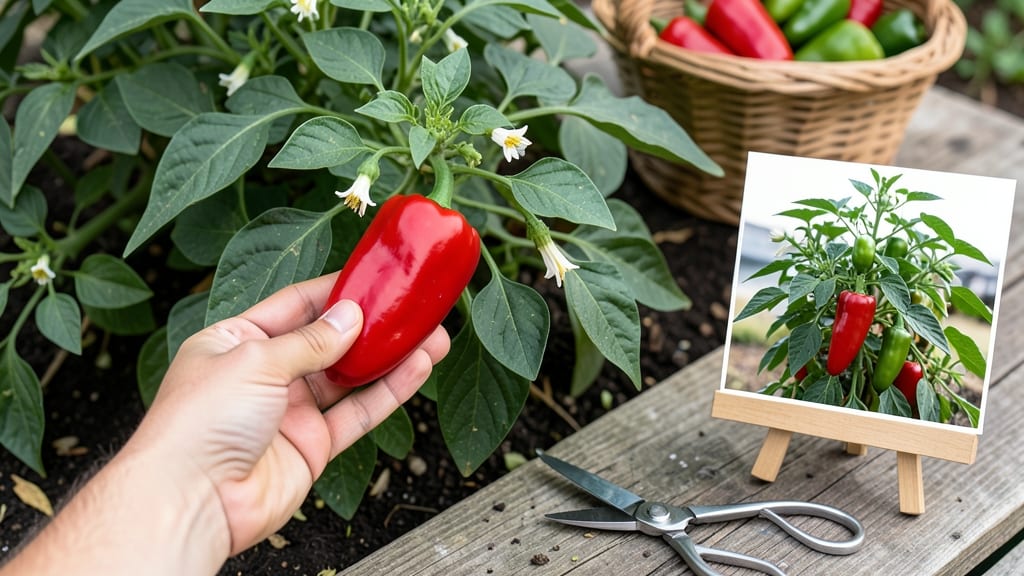
Harvesting cowhorn peppers at the right time means capturing their signature sweet-spicy balance—something that changes dramatically as they ripen from green to vibrant hues.
Those striking banana-shaped 🌶️ beauties can be tricky to time. Pick them too early, and you’re left with a bland crunch; too late, and the heat turns bitter. The secret? Watching their color shift is the easiest way to nail the perfect harvest window.
In USDA Zone 6a, where spring planting kicks off in April, you’ll start seeing cowhorn peppers ready by July. But don’t just go by the calendar—check for firm skin, a slight give when pressed, and a stem that snaps cleanly.
These clues tell you when the flavor is at its peak.
Below, I’ll break down the exact color stages to watch, how climate affects timing, and the best ways to store your harvest so you can enjoy that perfect heat-sweetness combo all season.


Cowhorn pepper color stages: when each shade signals harvest readiness
Cowhorn peppers undergo a dramatic color transformation as they ripen, each stage revealing a different flavor profile and heat level. Understanding these visual cues ensures you harvest at peak sweetness or spiciness, depending on your preference.
The journey from green to red (or other final hues) isn't just about aesthetics—it's about unlocking the pepper's full potential.
Unlike some peppers that stay green or turn a single color, cowhorns often progress through multiple vibrant stages. Each shade corresponds to a distinct taste profile: green peppers are grassy and mild, while red or brown varieties develop a sweet-spicy depth.
Even the texture changes—from firm and crisp to slightly softer as sugars develop. Knowing when to pick ensures you capture the perfect balance for your dishes.
📌 Key Insight: Cowhorn peppers can be harvested at any stage, but their culinary use changes dramatically with color. Green peppers work well in raw salsas or stir-fries, while fully ripe red or brown peppers shine in dried blends or slow-cooked dishes. Here’s how to decode each color stage:
The green stage is where cowhorn peppers start their journey, often overlooked but perfect for quick-cooking dishes. These peppers are crisp and tangy, with a mild heat that won’t overpower delicate flavors.
If you’re using them in raw applications, like salads or fresh salsas, this is your ideal window. However, they lack the sweetness that develops as they ripen further.
As cowhorn peppers transition to yellow, their sugar content begins to rise, and a subtle citrusy note emerges. This stage is often underrated but ideal for roasting or grilling, as the heat caramelizes the natural sugars.
The heat level increases slightly, making them a great choice for sauces or soups where you want a hint of spice without overwhelming heat.
The orange phase is where cowhorn peppers truly shine, offering a perfect balance of sweet and spicy flavors. This is the sweet spot for many gardeners, as the peppers are juicy and flavorful without being overly soft.
If you’re planning to dry or freeze your cowhorn peppers, harvesting at this stage ensures you capture the peak sweetness for long-term storage.
Finally, the red or brown stage signals the pepper’s full maturity, where it develops a deep, complex flavor with a smoky undertone. These peppers are sweeter and hotter, making them perfect for dried pepper blends or dishes that require a bold heat profile.
However, they can become mealy or bitter if left on the plant too long, so timing is key.
One critical factor to consider is your climate zone. In warmer regions (like USDA zones 9-11), cowhorn peppers may ripen faster and progress through color stages more quickly. Conversely, in cooler climates (zones 6-8), the ripening process can slow down, requiring extra time to reach full color.
Always monitor your peppers closely and adjust your harvest timeline based on local weather patterns.
For drying purposes, aim to harvest cowhorn peppers at the orange or red stage, as these colors indicate the highest sugar concentration. Dried cowhorn peppers retain their heat and sweetness beautifully, making them a versatile addition to homemade spice blends or slow-cooked stews.
If you’re unsure whether a pepper is fully ripe, give it a gentle squeeze—it should
3 Key visual clues to harvest cowhorn peppers at peak flavor
Harvesting cowhorn peppers at the perfect moment transforms their sweet-spicy flavor from good to extraordinary. While color is the most obvious clue, size, firmness, and stem separation reveal even more about ripeness.
Ignoring these visual cues often leads to peppers that are either underripe (mild, rubbery) or overripe (bitter, mealy). Let’s break down what to look for beyond just the color spectrum.
First, consider your local climate zone. Cowhorn peppers in hotter regions (like USDA Zone 9+) may ripen faster, while cooler zones (like Zone 7) could need extra weeks.
For example, my Zone 8 garden typically sees harvest-ready cowhorns by mid-September, while a friend in Zone 5 waits until late October. Always adjust your expectations based on your last frost date and seasonal heat patterns.
- 1 Size Matters: Cowhorn peppers should reach 4-6 inches long and 1.5-2 inches wide. Measure against your thumb—if it’s wider than your index finger, it’s likely ready. Peppers harvested too small will lack flavor development and sweetness.
- 2 Firmness Test: Gently press the pepper with your fingertip. A ripe cowhorn will yield slightly (like a ripe avocado) but not feel mushy. If it’s rock-hard, it’s underripe; if it’s denting easily, it’s overripe. This test is especially critical for hotter climates, where peppers can overripen quickly.
- 3 Stem Separation: The stem should snap easily when you bend it at a 90-degree angle. If it resists or tears, the pepper isn’t ready. This clue is your best indicator of internal ripeness, as it shows the pepper has fully matured and detached naturally from the plant’s nutrients.
One common mistake I see is harvesting cowhorn peppers solely by color. While green peppers are perfectly edible, they lack the sweetness and heat balance that develops as they ripen.
For example, a yellow cowhorn might look ripe but still taste grassy or underdeveloped if it hasn’t reached full size. Always combine color with the size and firmness tests for the best results.
Climate also plays a sneaky role in timing. In dry, hot summers, cowhorn peppers may ripen faster and lose moisture quickly, so harvest them earlier in the day (before 10 AM) to preserve their crisp texture.
In contrast, cooler or cloudy seasons slow ripening, so don’t rush—wait for all three clues (size, firmness, and stem separation) to align. Patience here ensures peppers with peak sweetness and complexity.
Pro tip: If you’re unsure, harvest a few peppers a day apart and taste-test them. This hands-on approach helps you calibrate your eye for future harvests.
Once you master these visual cues, you’ll never miss the perfect cowhorn pepper again—ready to transform your dishes with its unique banana-like shape and bold flavor. 🌶️