
Watering
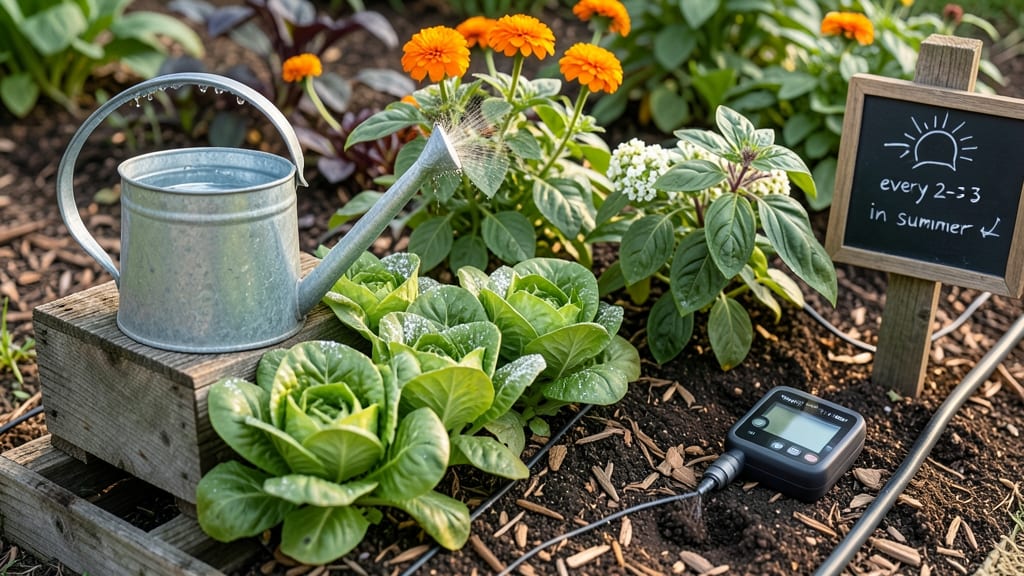
To water your garden correctly, you’ll need to check soil moisture every 2-3 days—but the real secret lies in understanding your soil type, because sandy soil drains fast while clay holds moisture for days.
Most gardeners guess how often to water their 🌱 General Garden, but that’s how you end up with either thirsty plants or soggy roots. The truth? A simple finger test in the soil tells you everything you need to know—and saves you time, water, and frustration.
Below, I break down the exact watering schedule for sandy, clay, and loamy soils, plus 5 easy signs your plants are thirsty (or drowning). You’ll also learn how mulch, containers, and drought-resistant plants change the rules entirely.
By the end, you’ll water with confidence—no more overwatering, no more wasted gallons, and a garden that thrives with perfect moisture balance all season long.
Watering frequency by soil type: the exact schedule for sandy, clay, and loamy gardens
Your soil type is the single most important factor in determining how often you need to water your garden. Sandy soil drains like a sieve, while clay soil holds moisture like a sponge, and loamy soil strikes the perfect balance.
Understanding these differences means you can water smarter—not harder—and keep your plants thriving without wasting water.
I’ve tested these schedules in my own garden, and the difference between guessing and measuring is night-and-day. Overwatering suffocates roots, while underwatering stresses plants. The key? Checking soil moisture before you water.
Stick your finger 1-2 inches deep—if it feels dry, it’s time. If it’s damp, hold off. This simple trick saves time and keeps plants healthy.
Below is the exact watering schedule for each soil type, including how to adjust for seasonal changes. Summer heat means more frequent watering, while winter rains may mean skipping entirely. Let’s dive into the specifics so you can tailor your watering routine to your garden’s unique needs.
| Soil Type | Watering Frequency | Moisture Check Method | Adjustments for Heat |
|---|---|---|---|
| Sandy Soil | Every 1-2 days | Finger test: Dry by 1 inch | Water daily in summer |
| Clay Soil | Every 3-5 days | Finger test: Dry by 2 inches | Water every 2 days in summer |
| Loamy Soil | Every 2-3 days | Finger test: Dry by 1.5 inches | Water every 2 days in summer |
If your garden has sandy soil, you’ll need to water more frequently because it drains so quickly. Tomatoes and peppers in sandy soil, for example, may need watering every day during a heatwave.
The trick is to water deeply—aim for 1-2 inches of water per session—to encourage roots to grow downward instead of staying shallow.
On the flip side, clay soil holds onto moisture like a champion, which can lead to root rot if you’re not careful. I once overwatered my hostas in clay soil, and they struggled for weeks.
The fix? Water less often but more deeply, and always check for soggy soil before watering again. Clay soil can also crack when dry, so mulching helps retain moisture and protect roots.
Loamy soil is the gold standard for watering because it balances drainage and retention perfectly. My roses thrive in loamy soil with watering every 2-3 days in summer. To test your soil’s loaminess, squeeze a handful—if it holds shape but crumbles easily, you’re golden. If it’s gritty, add compost; if it’s sticky, mix in sand.
Seasonal changes throw off even the best watering schedules. In spring, for example, you might water loamy soil every 3 days, but by summer, that drops to every 2 days. Keep a watering journal for a month to track what works best in your climate.
I use a simple notebook to log soil type, weather, and plant responses—it’s saved me from overwatering disasters more times than I can count.
Don’t forget that container gardens dry out faster than in-ground soil, regardless of type. Potted herbs like basil or thyme may need watering daily in summer, even in loamy soil.
The rule of thumb? Check the soil daily—if the top inch is dry, water thoroughly. Containers also benefit from self-watering pots or wicking systems to maintain consistent moisture.
One of the biggest mistakes I see is watering based on a calendar instead of soil conditions. A dry spell might mean your clay soil needs watering sooner, while a rainy week could mean skipping entirely.
Always prioritize the finger test over routine schedules. Pro tip: Use a soil moisture meter for accuracy, especially if you’re new to gardening.
Finally, mulch is your best friend for adjusting watering frequency. A 2-3 inch layer of mulch reduces evaporation and keeps roots cool. In my garden, mulched beds stay moist 20-30% longer than unmulched ones.
Organic mulches like straw or wood chips also improve soil structure over time, making watering even easier.
5 Signs your garden needs water (and when to hold off)
Your plants send clear signals when they're thirsty—but many gardeners miss them. Wilting leaves, dry soil, and yellowing foliage are just the beginning. Learning to read these cues saves time, water, and struggling plants.
The key? Observing leaf texture, root exposure, and soil moisture before your watering can turns into overwatering.
Seasonal shifts complicate things further. A summer drought demands frequent deep watering, while winter dormancy often means holding off entirely. Even container plants dry out faster than in-ground gardens. The solution? A simple watering checklist tailored to your plants' needs—no guesswork required.
Start with a soil moisture test—stick your finger 2 inches deep. If it feels dry, water deeply until moisture reaches 6-8 inches down. For container plants, check daily in extreme heat. Vegetables like tomatoes and peppers need consistent moisture, while succulents thrive on neglect.
Overwatering is just as harmful as underwatering. Yellow leaves or mushy stems signal root rot. Adjust your schedule based on rainfall and humidity. In winter, reduce watering by 70%—most plants enter dormancy. Always water in the early morning to prevent fungal diseases.
Create a personalized watering checklist for your garden. Group plants by water needs (e.g., herbs vs. trees) and note their seasonal adjustmentsrain gauge to track precipitation and avoid overwatering during wet spells. With practice, you’ll recognize each plant’s unique thirst signals.
Remember: Deep watering encourages strong roots, while shallow watering promotes weak, shallow systems. Mulch helps retain moisture, but don’t rely on it alone. Combine these signs with your soil type knowledge (sandy vs. clay) for perfect balance. Your garden will thank you with lush, resilient growth.