
How To
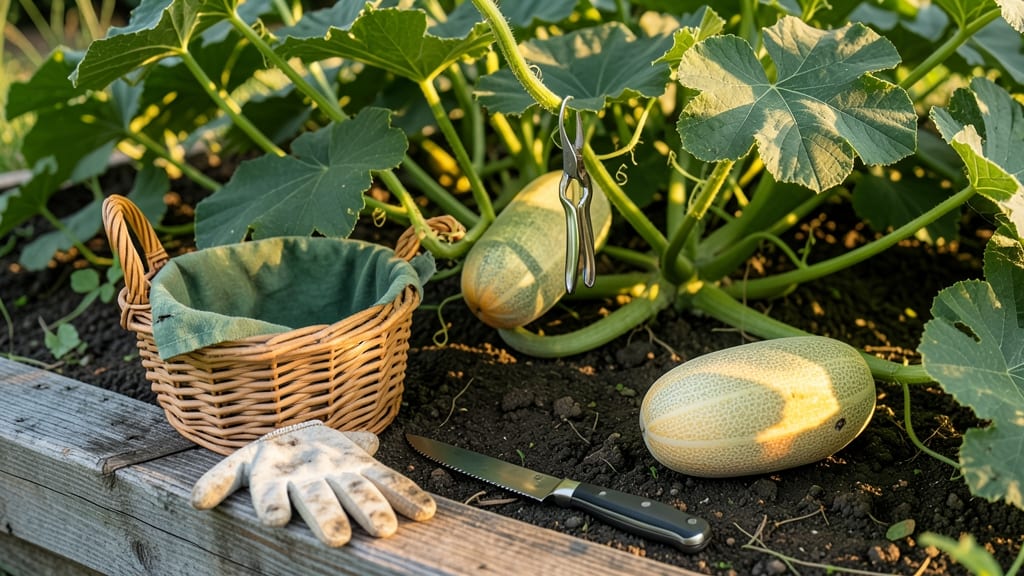
Harvesting cantaloupe at the right time means the difference between a sweet, juicy reward and a bland, mealy disappointment 🍈 — and there’s a science to knowing when they’re perfectly ripe.
Picture this: you’ve waited months for your vines to produce, only to cut into a fruit that’s still hard or tastes like nothing. The good news?
You don’t need to guess or gamble with every melon. With just a few simple tactile tests, you can determine ripeness without ever slicing into one.
From the telltale slip of the stem to the aroma near the blossom end, these non-destructive checks let you harvest with confidence. No more second-guessing, no more wasted fruit — just peak sweetness every time.
Below, I’ll walk you through the three key tests every gardener should know, plus how to adjust for heat, humidity, and variety differences. Ready to turn your cantaloupe harvest into a sweet success?


3 Non-destructive tactile tests to harvest cantaloupe at peak ripeness
Determining when to harvest cantaloupe can feel like guessing—until you learn these three tactile tests. These hands-on methods let you check ripeness without cutting, ensuring you pick fruit at its sweetest peak.
I’ve used these tricks in my garden for years, and they’ve never failed to deliver melons bursting with flavor.
The key to perfect cantaloupe lies in understanding three physical cues: stem slip, thump response, and blossom end color. Each test reveals a different aspect of ripeness, so combining them gives you the most accurate picture. Let’s dive into how to perform each one like a pro.
Gently twist the stem near the fruit. If it slips or snaps off cleanly, it’s ripe. No slip? Wait 1-2 days.
Tap the melon with your knuckles. A deep, hollow sound means it’s ripe. A dull thud? It needs more time.
The end opposite the stem should turn creamy yellow or light tan. A greenish hue means it’s not ready.
Let’s start with the stem slip test, my go-to method for determining cantaloupe ripeness. This test works because cantaloupe releases an enzyme called ethylene gas as it ripens, which weakens the stem’s connection to the fruit.
When you gently twist the stem near the fruit, a ripe cantaloupe will either slip off the vine or snap cleanly with minimal resistance.
To perform the test, locate the stem attachment point where the fruit meets the vine. Use your thumb and forefinger to grasp the stem about 1 inch from the fruit.
Apply gentle twisting pressure—don’t yank! If the stem slips or breaks off easily, your cantaloupe is ready to harvest. If it resists, wait another day or two and test again.
The thump test is another foolproof way to check ripeness without damaging the fruit. This method relies on the fact that ripe cantaloupes have softer, juicier flesh inside, which changes how they sound when tapped.
To test, use your knuckles to gently tap the side of the melon near the blossom end (the flat end opposite the stem).
A ripe cantaloupe will produce a deep, hollow thud, almost like knocking on a wooden door. If the sound is more muffled or dull, the fruit likely needs more time on the vine.
Pro tip: Compare two melons side by side—you’ll quickly notice the difference in sound between ripe and underripe fruit. This test is especially useful when you’re unsure about the stem slip result.
Don’t overlook the blossom end color, which is often the most visual clue that cantaloupe is ready. The blossom end is the flat side of the fruit opposite the stem.
When ripe, this area should turn from green to creamy yellow or light tan. Some varieties develop a slight net-like pattern on the rind, which also indicates ripeness.
If the blossom end remains green, the cantaloupe isn’t ready yet. However, be cautious if the color turns too dark or brownish—this could signal overripeness. The blossom end also often softens slightly when ripe, so give it a gentle squeeze. It should yield slightly under pressure but not feel mushy.
For the most accurate results, I recommend combining all three tests before harvesting. For example, a cantaloupe might pass the stem slip test but fail the thump test—this inconsistency often means it needs a little more time.
Conversely, if all three tests align (stem slips, hollow thud, creamy blossom end), you can confidently harvest your cantaloupe.
One common mistake I see is harvesting cantaloupe too early because the fruit looks ripe. Remember, external cues alone aren’t enough. Always combine visual and tactile tests to avoid bland or underripe melons. With these three methods, you’ll never second-guess when to harvest cantaloupe again!
Now that you’re equipped with these non-destructive tests, you’ll harvest cantaloupe at its peak sweetness every time. Happy harvesting! 🍈
Common mistakes that make cantaloupe taste bland or overripe
Even with perfect growing conditions, your cantaloupe can still end up bland or overly sweet if harvested at the wrong time. Temperature swings, humidity levels, and even the cantaloupe variety you grow play critical roles in determining ripeness.
Understanding these factors helps you adjust your harvest timing for peak flavor every season.
Harvesting too early is the most common mistake—many gardeners pick cantaloupe based on size alone, ignoring the sugar development that happens in the final days. Meanwhile, leaving it on the vine too long can turn sweetness into bitterness or fermented flavors, especially in hot, humid climates.
Let's explore how to avoid these pitfalls.
⚠️ Warning: The 3 Ripeness Red Flags
Ignoring these signs leads to bland or overripe cantaloupe:
- Green or dull rind: Indicates underripe fruit with minimal sugar development.
- No stem slip: The stem should detach easily—if it resists, the cantaloupe isn't ripe.
- Weak aroma: A ripe cantaloupe should smell sweet near the stem; a faint scent means it needs more time.
Different cantaloupe varieties mature at different rates—Hale's Best typically ripens in 75-85 days, while Ambrosia may take 80-90 days. Always check your seed packet for days to maturity and adjust your harvest window accordingly.
For example, if your growing season is shorter due to cooler temperatures, opt for faster-maturing varieties.
Environmental factors like high humidity can delay ripening, while consistent heat (above 85°F) can speed it up. In humid climates, cantaloupes may develop surface mold before reaching full sweetness.
To combat this, harvest slightly earlier and finish ripening indoors. Conversely, in hot, dry areas, cantaloupes may overripen quickly—monitor them closely and harvest when the stem begins to slip.
Another common mistake is assuming all cantaloupes on a vine are ready at the same time. Vine maturity varies, so check each fruit individually. Start by testing the blossom end—it should turn from white to creamy yellow.
Then, perform the stem slip test on the largest fruits first, as they often ripen earlier than smaller ones on the same vine.
If your cantaloupes still taste bland after harvest, try storing them at room temperature for an additional 1-2 days to let residual sugars develop. For overripe cantaloupe, reduce storage temperatures to 40°F to slow further ripening. Understanding these adjustments ensures you enjoy cantaloupe at its sweetest, every season.