
Picking
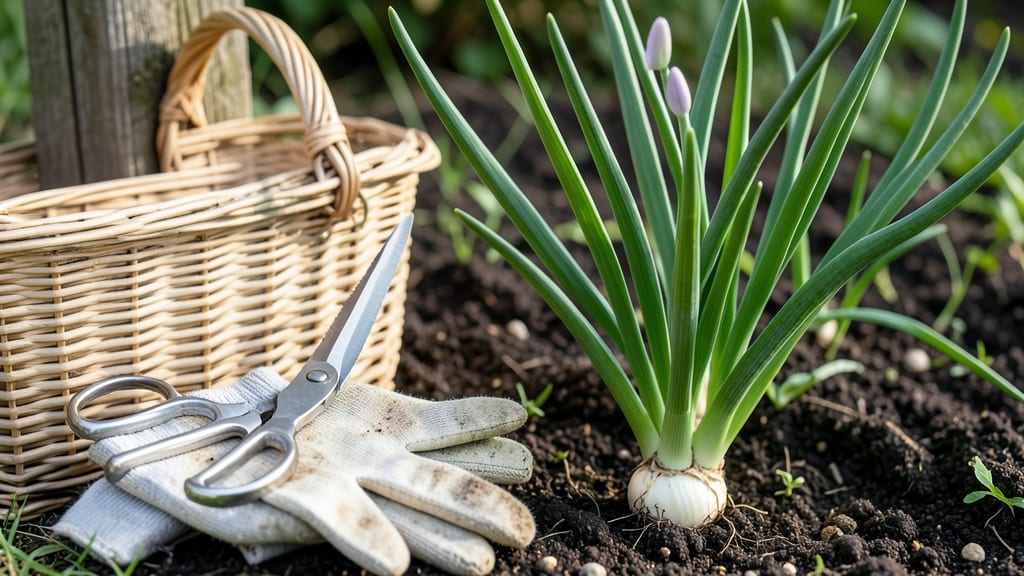
Harvesting green onions at the right time ensures tender, flavorful scapes without bitter regrowth—typically 60 to 90 days after planting, when they hit 6 to 8 inches tall 🧅.
Wondering when to harvest green onions without sacrificing future regrowth or bitter flavors? Timing is everything—and getting it wrong could ruin your harvest before it even begins.
Most gardeners wait until the white bulb swells to about ½ inch, while the dark green leaves stay firm and upright. Cutting too early means tiny bulbs, and waiting too long risks bolting or tougher taste.
Below, I’ll break down the exact harvest window by season, how to tell when they’re ready, and the best cutting technique to keep your plants producing for weeks.


The perfect green onion harvest time: when to cut for maximum regrowth
Timing your green onion harvest correctly ensures both flavor and future regrowth. The ideal window opens 3-4 weeks after planting when plants reach 6-8 inches tall. Harvesting too early stunts growth, while waiting too long risks bitter flavors and bolting—when plants flower prematurely.
Look for dark green leaves and a ½-inch white bulb at the base. These visual cues signal peak harvest readiness. The leaves should stand upright, not flop over, which indicates maturity without stress. Skipping these signs often leads to disappointing results.
Here’s a quick reference to identify the perfect harvest moment:
| Stage | Height | Leaf Color | Bulb Size | Harvest Action |
|---|---|---|---|---|
| Early (Not Ready) | Under 4 inches | Pale green/yellow | Under ¼ inch | Wait 2-3 weeks |
| Ideal (Ready) | 6-8 inches | Dark green, firm | ½ inch or larger | Harvest now! |
| Late (Overripe) | Over 10 inches | Yellowing, floppy | Bulb hollow | Flavor declines |
Harvesting at the ideal stage ensures mild, sweet flavors and encourages robust regrowth. The white bulb should be firm and crisp—if it’s hollow or pithy, the plant has passed its prime. Cutting too late also stresses the plant, reducing its ability to regrow for future harvests.
Seasonal timing matters too. In spring plantings, aim for harvests between April and May, while fall plantings yield best in September and October. These windows align with cooler temperatures, which slow bolting and extend harvest windows.
If your green onions bolt (send up flower stalks), it’s a sign they’ve been stressed by heat or overmaturity. Bolted plants still produce edible greens, but their flavor becomes bitter and pungent. To prevent this, harvest regularly and avoid planting in extreme heat.
For continuous harvests, cut outer leaves first, leaving the inner ones to regrow. This method maintains plant health and extends your harvest season. Just ensure you’re not removing more than ⅓ of the plant at once—this balance is key to regrowth success.
Pro tip: Use sharp scissors or pruning shears to cut 1-2 inches above the soil line. This clean cut promotes faster healing and minimizes disease risk. Avoid pulling entire plants unless you’re harvesting for storage or replanting.
After harvesting, store green onions in a perforated plastic bag in the fridge for up to 2 weeks. For long-term storage, freeze them whole or chop them first. Proper post-harvest care keeps your green onions fresh and ready for the next culinary use.
Mastering the green onion harvest time transforms your garden into a year-round supply. With the right timing, you’ll enjoy fresh, flavorful greens without the bitterness or wasted effort. Happy harvesting!
How to harvest green onions without bitter taste: step-by-step guide
Harvesting green onions at the right time and with the correct technique ensures a fresh, mild flavor and encourages regrowth. The key is cutting them properly—above the soil line—to preserve the bulb for future harvests. Bitterness develops when you harvest too late or damage the plant's ability to regrow.
Before you begin, gather your tools: a sharp pair of scissors or pruning shears, a small trowel for stubborn plants, and a bowl of water to rinse your harvest. Always work in the morning after dew has dried to avoid spreading disease and to ensure crisp stems.
⚠️ callout warning
⚠️ Avoid These Harvest Mistakes!
- Cutting below the soil line: This kills the plant and prevents regrowth. Always leave 1-2 inches of stem above the soil.
- Harvesting when plants are too young: Wait until they reach 6-8 inches tall with a ½-inch bulb.
- Using dull tools: Ragged cuts invite pests and disease. Sharpen your scissors before harvesting.
- Over-harvesting: Never take more than ⅓ of the plant at once to avoid stressing it.
Start by selecting the outermost leaves for harvest, as these are the most mature. Use your scissors to cut just above the soil line at a 45-degree angle—this prevents water from pooling and causing rot.
If you're harvesting the entire plant, leave 1 inch of stem above the soil to encourage regrowth.
To avoid bitterness, never harvest green onions when they're bolting (sending up a flower stalk) or when the weather turns extremely hot. Stress from heat or drought triggers the plant to produce more allicin compounds, which create that sharp, bitter taste.
Store harvested green onions in a perforated plastic bag in the fridge for up to 2 weeks.
After harvesting, water your green onions deeply to help them recover. Within 2-3 weeks, you should see new growth emerging from the base. If you notice yellowing leaves or slow regrowth, your plants may need more nitrogen-rich fertilizer or better soil drainage.
Mulch around the base to retain moisture and protect roots.
For continuous harvests, space out your cuts every 4-6 weeks during the growing season. This method ensures a steady supply of fresh, mild green onions without sacrificing the plant's health. With proper care, a single green onion plant can provide harvests for several months! 🌱