
Picking
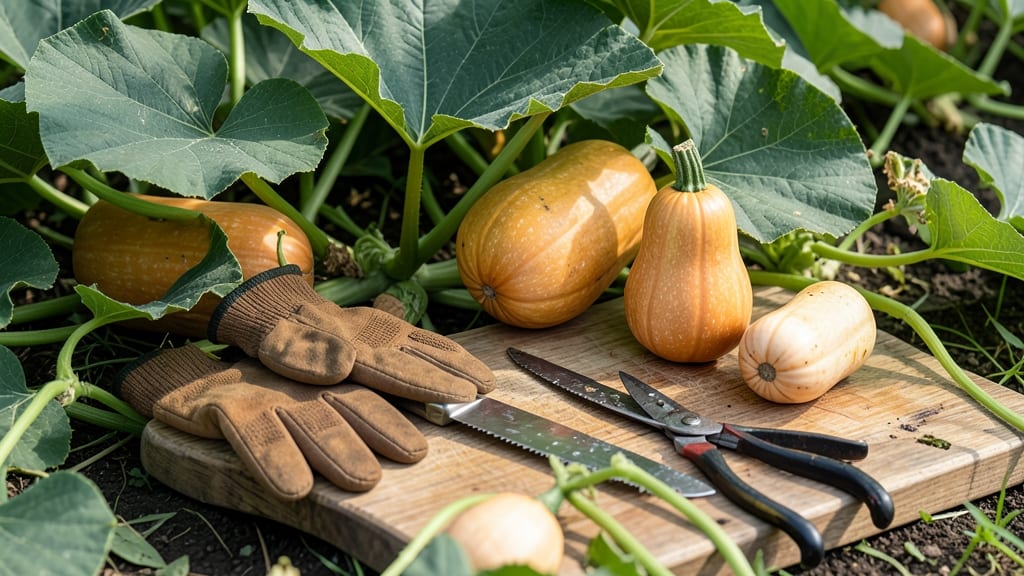
Harvesting butternut squash from the garden at the right time ensures peak sweetness and a long storage life — and missing those cues can mean tough, bland fruit.
Picture this: you’ve nurtured your 🎃 plants all season, and now the vines are yellowing, but the squash still feels soft. That’s the moment you need to know whether to wait a few more days or pull the trigger.
The difference between perfect harvest timing and wasted effort comes down to three key signals: skin hardness, stem condition, and color depth.
In USDA Zone 6a, where many gardeners grow butternut squash, the ideal harvest window falls between late September and October, but climate shifts can push that timeline earlier or later.
I’ll walk you through how to spot readiness—whether your garden is basking in warm fall days or facing an early frost—so you never miss the sweet spot.
Beyond the visual clues, I’ll share the simple thump test and peel-thickness trick that takes the guesswork out of ripeness. Plus, you’ll learn how to handle and store your harvest to keep those flavors rich for months.
3 Key visual and physical signs your butternut squash is harvest-ready
Timing your butternut squash harvest perfectly ensures maximum sweetness, texture, and storage life. These winter squash varieties mature gradually, so missing the window means tough flesh or poor flavor.
I’ve learned that 3 key indicators—skin color, stem condition, and size—are foolproof ways to tell when your squash is ready to pick.
First, pay attention to the rind color. Mature butternut squash develop a dull, tan-beige hue rather than the vibrant green they start with. This color change signals the sugars have fully developed inside. I always check this first because it’s the most obvious visual cue.
Next, examine the stem and vine. When your butternut squash is ready, the stem where it attaches to the vine will begin drying out and shrinking.
The vine itself may start yellowing or dying back—this is nature’s way of telling you it’s time to harvest before pests or frost ruin your crop.
Finally, consider the size and weight. A fully mature butternut squash typically weighs between 2 to 5 pounds, depending on the variety. When held, it should feel heavy for its size, indicating a well-developed fruit with plenty of edible flesh.
-
1. Skin Color Change
Look for a dull tan-beige rind instead of bright green. This indicates full sugar development. -
2. Stem Drying
The stem at the vine attachment should shrink and harden, sometimes even detaching easily. -
3. Size & Weight Benchmark
Aim for 2-5 lbs with a heavy-for-size feel, signaling mature flesh.
Seasonal variations play a role too. In cooler climates (USDA Zones 3-5), butternut squash may mature earlier—sometimes as early as late August—while in warmer zones (Zones 7-10), they might keep producing into November. Always monitor your local frost dates to avoid losing your harvest.
One pro tip I use is to harvest in the morning after dew has dried but before the heat of the day. This reduces stress on the squash and gives you a better chance of storing them longer.
I’ve found that squash harvested in the morning also hold their flavor better during storage.
Don’t wait too long, though. Overripe butternut squash develop soft spots and are prone to rot. If you see the vine completely dead or the rind starting to crack, it’s past prime. The 3 signs above will keep you on track for the sweetest, most storable butternut squash possible.
Once you’ve confirmed these harvest-ready signs, use a sharp knife or pruners to cut the squash, leaving a 1-2 inch stem attached. This helps prevent rot during storage. Store them in a cool, dry place with good airflow—ideally between 50-55°F—where they’ll keep for 2-3 months.
With these visual and physical cues, you’ll never second-guess your butternut squash harvest timing again. The difference between a perfectly ripe squash and one that’s past its prime is night and day in terms of flavor and storage life. Happy harvesting!
How to test butternut squash ripeness: the thump and peel method
Sometimes visual cues like skin color or stem drying aren't enough to confirm your butternut squash is perfectly ripe. That's where sensory testing comes in! The thump and peel method gives you an extra layer of confidence before harvesting.
These simple techniques help you avoid underripe squash with bland flavor or overripe squash that spoils quickly.
Start by selecting a mature-looking squash—one with a dull, tan rind and shriveled stem. Then use these two foolproof tests to verify ripeness. The best part?
You don’t need any special tools—just your hands and ears! These methods work especially well in humid climates where visual signs can be misleading due to excess moisture.
Step-by-Step Ripeness Test
-
Step 1: The Thump Test
Gently tap the squash's side with your knuckles. A ripe butternut will produce a deep, hollow sound, like knocking on a wooden door. If it sounds dull or flat, it’s not ready yet—keep checking in 3-5 days. -
Step 2: Peel Thickness Check
Use your fingernail to press the rind near the stem. If it doesn’t puncture easily and feels firm to the touch, the squash is ripe. For extra precision, measure the peel thickness—it should be at least 1/4 inch thick at its thickest point. -
Step 3: Seed Cavity Inspection
Cut the stem end off (save it for storage!) and peek inside. The seeds should be fully formed and the cavity should be dry. If you see moisture or underdeveloped seeds, the squash needs more time on the vine. -
Step 4: Troubleshooting False Positives
If your squash passes the tests but the vines are already dying, it might be overripe. In this case, harvest immediately to avoid rot or pest damage. Conversely, if the rind is thick but the thump sounds dull, it could be stressed from drought—water deeply and wait 5-7 days before retesting.
Don’t overlook the environmental factors that can skew these tests. For example, hot, dry weather can make squash harden prematurely, while cool, wet conditions might delay ripening. Always cross-reference the sensory tests with the visual signs you’ve already learned to ensure accuracy.
This dual approach minimizes the risk of harvesting too early or too late.
Once you’ve confirmed ripeness, harvest on a dry, sunny morning to allow the squash to cure properly before storage. Place them in a warm, well-ventilated spot for 7-10 days to harden the skin further.
This curing process is key to extending their shelf life to 3-6 months in a cool, dark place.
Pro tip: Label your squash with the harvest date to track freshness. Store them in a single layer (never stacked) to prevent rotting. With these sensory tests and storage tips, you’ll enjoy sweet, flavorful butternut squash all season long! 🎃