
How To
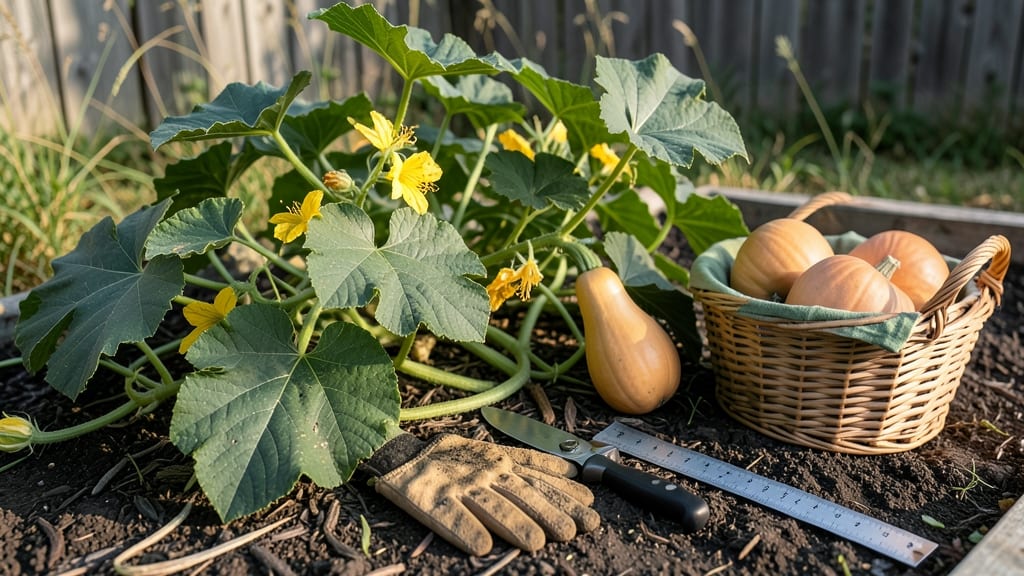
Harvesting butternut pumpkins at the right time ensures sweet, flavorful flesh and avoids wasting your garden’s hard work.
Picking too early means bland, watery fruit, while waiting too long can turn them stringy or rot them before you even get a taste. The key is catching that perfect window—when the skin hardens, the stem dries, and the seeds darken just right.
In USDA Zone 6a, where frost typically hits by mid-October, timing matters even more. You’ll need to watch for three telltale signs—skin firmness, seed color, and stem shrinkage—before the first frost arrives. Miss these cues, and you might end up with pumpkins that don’t store well or taste disappointing.
Below, I’ll walk you through the exact visual and physical checks to harvest butternut pumpkins at their peak, plus tips for storing them so they stay fresh all winter long.


How to check butternut pumpkin ripeness using skin and seed tests
Butternut pumpkins taste their sweetest when harvested at the perfect moment—so I always rely on three foolproof tests. First, the skin color shifts from green to a dull tan, signaling maturity. Next, the stem dries and shrinks near the fruit, making it easy to spot.
Finally, the seed cavity develops a creamy hue inside, proving the flesh is fully developed. Missing these cues can mean bland, stringy pumpkins or wasted effort!
Don’t wait until the first frost to harvest—cold temperatures ruin flavor and texture. Instead, I check these signs 2–3 weeks before the expected frost date. This timing ensures you catch them at peak ripeness while still avoiding early-season mistakes.
For example, in USDA Zone 6, I start testing in mid-September to beat the October frost.
Here’s the critical comparison to know when your butternut pumpkins are ready:
| Indicator | Not Ready (Green) | Ready (Tan) |
|---|---|---|
| Skin Color | Bright green, soft | Dull tan, firm |
| Stem Condition | Thick, moist, green | Dry, shriveled, brown |
| Seed Color | White or pale | Creamy beige |
| Flesh Firmness | Soft, yields to pressure | Hard, resists thumbnail |
| Sound When Tapped | Hollow, light | Solid, dense |
The skin firmness test is my go-to method. Press your thumbnail into the rind—if it springs back, the pumpkin’s not ready. When it doesn’t dent, that’s your green light. I also tap the fruit: a dull thud means maturity, while a hollow echo means it’s still developing.
This tactile check saves me from guessing and ensures I harvest at the perfect moment.
Next, I examine the stem at the neck. A dry, brown stem signals ripeness, while a thick, green stem means more time is needed. Pro tip: If the stem snaps easily when you twist it, that’s another sign of readiness.
I’ve learned to trust this visual cue—it’s a clear indicator that the pumpkin’s internal sugars have peaked.
For the seed test, I cut open a small section near the stem. If the seeds inside are creamy beige, the pumpkin is ready. White or pale seeds mean it’s too early.
This step is non-negotiable for me—I won’t harvest until I see those creamy seeds, as they correlate with the sweetest, most flavorful flesh. It’s a small effort for a big payoff!
Harvesting too early results in bland, watery flesh, while waiting too long leads to stringy, overripe pumpkins. I’ve made both mistakes, and trust me, you don’t want to experience either.
The key is to act when you see all three signs—skin, stem, and seeds—working together. This trio guarantees a pumpkin that’s perfect for roasting, baking, or storing.
Once you’ve confirmed ripeness, harvest on a dry morning to prevent rot. Use a sharp knife or pruners to cut the stem, leaving a 2-inch stalk attached. This helps the pumpkin cure properly and extends its shelf life.
After harvesting, I let my butternut pumpkins cure in a warm, dry place for 10 days before storing—this step is crucial for developing their full flavor.
If you’re growing butternut pumpkins in warmer climates (Zones 8–10), they may ripen earlier, so start testing in August. In cooler zones (Zones 3–5), wait until late September or October.
No matter where you garden, these tests will never steer you wrong. Happy harvesting—your taste buds will thank you!
Common harvest mistakes that ruin butternut pumpkin flavor and storage life
Harvesting butternut pumpkins too early or too late can turn your hard work into bland, stringy, or even inedible results. I’ve seen gardeners lose entire harvests by ignoring these subtle but critical signs of ripeness.
The sweetness and texture of your pumpkins depend entirely on timing, so let’s break down the two biggest mistakes—and how to avoid them.
One of the most common errors is harvesting underripe pumpkins. When you pick them too soon, the flesh stays watery and bland, lacking the rich, nutty flavor that makes butternuts so special.
On the flip side, waiting too long leads to stringy flesh and a tough, unappetizing texture. Both mistakes are easy to avoid with the right knowledge.
Another frequent oversight is ignoring the stem condition. Many gardeners focus only on skin color but miss the fact that a dried, shriveled stem is a key indicator of ripeness.
If you cut the stem too early, the pumpkin won’t mature properly, and if you wait too long, the stem rots away entirely, making it harder to tell when to harvest.
Harvest Too Early or Too Late?
Underripe: Skin is soft, stem is thick, and flesh tastes bland. Overripe: Skin is wrinkled, stem is rotted, and flesh is stringy. Both ruin flavor and storage life!
To avoid these mistakes, I recommend using a simple 3-point checklist before harvesting. First, check the skin color—it should be a deep, matte tan, not green or shiny. Second, press your thumbnail into the rind; if it doesn’t dent easily, the pumpkin is ready.
Finally, inspect the stem—it should be dry and shriveled, not green or moist.
Regional differences also play a role. In cooler climates, pumpkins may ripen slower, so monitor them closely as frost approaches. In warmer zones, they might mature faster, so don’t wait until the last minute. Always harvest before the first frost to preserve quality and extend storage life.
Once you’ve mastered the timing, store your butternuts in a cool, dry place with good airflow. Properly cured pumpkins can last for months, but only if you’ve harvested them at the perfect moment.
Don’t let these common mistakes ruin your harvest—follow the signs and enjoy sweet, flavorful pumpkins all season long!