
How To
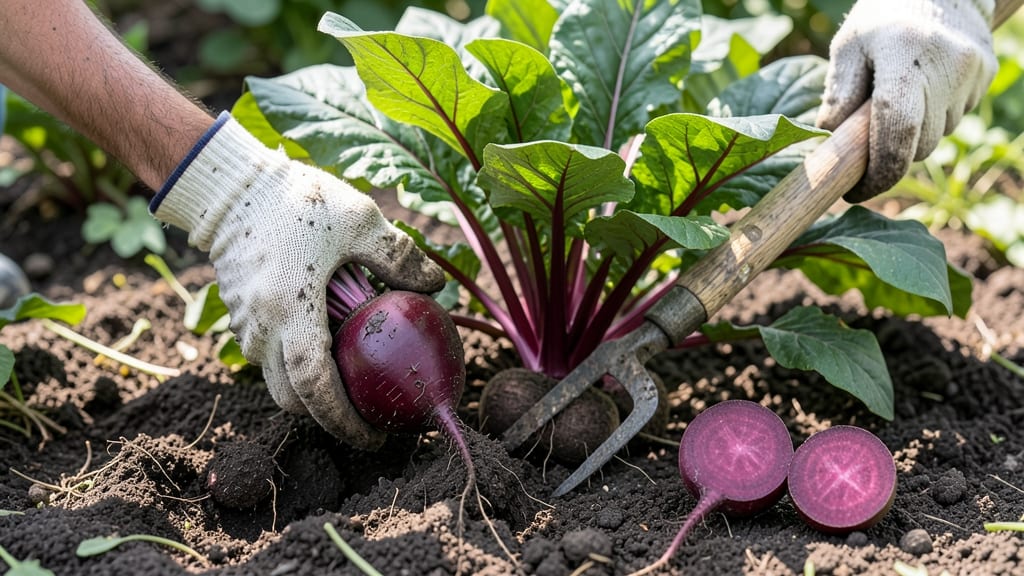
To know when to harvest beetroot, watch for roots that are 1-3 inches wide, deep color, and firm to the touch 🍠—these are the key signals that flavor peaks before the plant bolts.
Picking beetroot at the wrong time means tough, woody roots or bitter greens—so how do you know when these vibrant vegetables are perfectly ready for harvest?
Start by checking the soil temperature: beetroot thrives in 60-75°F soil, and once the roots reach golf-ball size with rich color, they’re almost ready.
In this guide, I’ll walk you through the visual cues, size benchmarks, and seasonal timing that ensure you pull beetroot at its sweetest, plus how to store them for maximum freshness.


5 Visual and physical signs your beetroot is harvest-ready
Harvesting beetroot at the right moment transforms your garden into a treasure trove of sweet, tender roots. But timing is everything—wait too long, and you'll end up with tough, woody beetroots that lose their vibrant flavor.
The key lies in observing visual cues and physical changes that signal peak readiness. These indicators ensure you harvest at the perfect stage, whether you're growing baby beetroots for salads or full-sized roots for roasting.
Beetroots are surprisingly expressive about their maturity. From the color depth of their skins to the size of their leaves, nature provides clear signals if you know what to look for.
Even the texture of the skin can tell you whether it's time to grab your gardening gloves and start digging. Let's break down the five most reliable signs that your beetroot is ready for harvest, so you can enjoy that fresh-from-the-garden taste without the guesswork.
🌱 5 Key Indicators Your Beetroot Is Harvest-Ready
- Root Diameter: 1-3 inches across (about the size of a golf ball to a baseball)
- Leaf Height: 3-4 inches tall with deep green, healthy foliage
- Color Intensity: Vibrant, consistent color from stem to root tip (no pale patches)
- Skin Firmness: Resists gentle pressure from your fingertips (no denting)
- Growth Time: 50-75 days after planting (varies by variety)
Pro Tip: For baby beetroots, harvest when roots reach 1 inch—they're perfect for quick-cooking dishes!
Let's start with the most obvious sign: the root diameter. When your beetroots reach 1-3 inches in diameter, they're typically at their sweetest and most tender.
This size range applies to most varieties, though baby beetroots like 'Baby Keeper' or 'Little Ball' can be harvested earlier at just 1 inch. Use a ruler or your fingers to gauge—if the root feels like it's about the size of a golf ball, it's ready for picking.
Don't overlook the leaves—they're a window into your beetroot's health and maturity. Healthy, mature beetroots will have deep green leaves that are 3-4 inches tall. If the leaves start looking pale, yellowing, or wilted, it could signal either underwatering or that the root has outgrown its space.
For Chioggia beetroots (the striped variety), the leaves might look slightly more delicate, but the same height rule applies.
The color intensity of your beetroot is another dead giveaway. When fully mature, the skin should be vibrant and consistent from top to bottom. For Detroit Dark Red varieties, this means a deep, rich red with no pale spots.
Golden beetroots should glow like sunshine, and purple varieties should have a uniform hue. If you see patches of pale skin, it might mean the root was shaded or didn't get enough nutrients during growth.
Here's a hands-on test: gently press your fingertips into the beetroot's skin. If it resists and doesn't dent easily, it's ready for harvest. This skin firmness indicates the root has developed a good cell structure, which translates to better texture and flavor.
If the skin gives way too easily, the beetroot is still developing and needs more time in the ground.
Finally, pay attention to the growth timeline. Most beetroot varieties reach harvest readiness in 50-75 days after planting, depending on your climate and growing conditions.
In cooler climates like USDA Zone 6a, spring-planted beetroots might take closer to 70-75 days, while summer plantings could be ready in 50-60 days. Keep a planting journal to track your specific variety's progress—this helps you anticipate harvest times in future seasons.
One common mistake is waiting too long for beetroots to "get sweeter." In reality, overgrown beetroots become woody and tough, losing their natural sweetness. The peak sweetness window is narrow, so don't hesitate once you spot these signs.
For continuous harvests, consider planting successive crops every 2-3 weeks—this ensures you always have fresh, tender beetroots ready when you need them.
Remember that seasonal factors can influence harvest timing. In hot summers, beetroots may mature faster, while cooler springs might slow growth. Always prioritize the visual and physical signs over calendar dates—your beetroots will thank you with their flavor!
With these indicators in mind, you'll never again wonder "Is my beetroot ready?"—you'll know exactly when to reach for that trowel.
When to harvest beetroot by variety: baby vs. full-sized roots
Not all beetroot varieties follow the same harvest timeline, and knowing when to pick yours makes the difference between tender, sweet roots and tough, fibrous ones. Baby beetroots like Detroit Dark Red can be harvested as small as 1-inch diameters in just 45-50 days, while full-sized varieties like Chioggia or Golden need 70-75 days to reach their peak.
Soil temperature also plays a role—cooler soils slow growth, while warm spring or fall conditions speed it up.
For example, Chioggia beetroots (with their stunning striped patterns) take longer to develop their signature colors, so patience is key. Meanwhile, Golden Detroit varieties mature faster but lose sweetness if left too long in the ground.
Understanding these differences helps you plan your harvest schedule and avoid missing the perfect window.
| Variety | Baby Harvest Size | Full-Sized Size | Days to Harvest | Soil Temp Ideal |
|---|---|---|---|---|
| Detroit Dark Red | 1-2 inches | 2.5-3 inches | 45-75 days | 55-75°F |
| Chioggia | 1.5-2 inches | 3-4 inches | 60-80 days | 60-75°F |
| Golden | 1-1.5 inches | 2-3 inches | 50-70 days | 50-65°F |
| Bull's Blood | 1.5 inches | 3-4 inches | 60-75 days | 60-70°F |
Soil conditions dramatically impact harvest timing. If your garden soil stays below 55°F, beetroots will grow slower, and you may need to extend your harvest window by 10-15 days. Conversely, warm soil above 75°F can cause beetroots to bolt prematurely, so monitor soil temperature closely.
A simple soil thermometer helps you adjust expectations—cooler soils mean slower growth, while ideal temperatures (60-70°F) yield the fastest results.
For baby beetroots, focus on size and tenderness. Gently squeeze the root—if it feels firm and resists slight pressure, it’s ready. For full-sized varieties, wait until the roots reach their mature size and the leaves begin to yellow slightly at the edges.
This signals the plant is redirecting energy to the root, ensuring maximum sweetness and storage potential.
Pro tip: Harvest on a cool morning after a light rain to reduce stress on the plant. Use a fork to loosen the soil around the roots, then pull gently—never yank, as this can damage nearby plants.
Rinse roots immediately to remove dirt, but avoid soaking them, which can cause rot. Store in a cool, dark place (40-45°F) for up to 2 weeks.
Timing is everything with beetroots—harvest too early, and you’ll miss out on flavor; too late, and they become tough. By matching your variety to the right conditions, you’ll enjoy perfectly tender roots every time.
The key is consistency: check your plants every 3-4 days once they near harvest size to catch them at their peak.