
How To
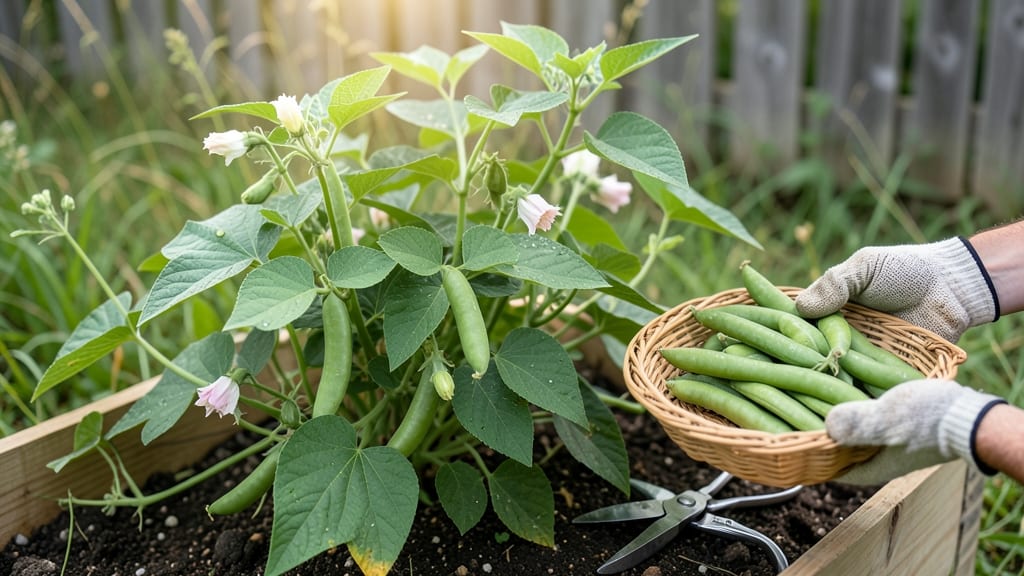
Harvesting green beans 🌱 at the right moment ensures they stay crisp, flavorful, and abundant—so timing is everything.
Picking too early means small, underdeveloped pods, while waiting too long turns them tough and stringy. The difference between a garden full of tender, snappy green beans and a pile of woody rejects comes down to knowing when those pods are just right.
Most green beans are ready when they’re 4-6 inches long, firm to the touch, and snap easily when bent. But there’s more to it than just size—color, seed visibility, and even the time of day play a role in getting the best flavor and yield.
In this guide, I’ll walk you through three foolproof tests to determine the perfect harvest time, plus how to adjust for different bean varieties and regional growing conditions. No more guesswork—just crisp, delicious beans every time.


3 Simple snap tests to determine perfect green bean harvest time
Harvesting green beans at the right moment transforms your garden from a sea of vines to a kitchen ready for fresh, flavorful meals. The key? Three foolproof snap tests that reveal when pods are at peak tenderness.
I’ve used these methods for years to avoid the disappointment of tough, stringy beans—and trust me, your taste buds will thank you.
Most gardeners rely on pod size alone, but firmness and seed development are just as critical. A 2-inch rule is a great starting point, but without testing for crispness, you might miss the sweet spot.
Let’s break down the three tests that guarantee you’ll pick beans when they’re crisp, sweet, and full of flavor.
🌱 How to Test Green Bean Maturity
-
1. The 2-Inch Rule
Measure pods from tip to stem—4-6 inches is ideal for most varieties. -
2. The Snap Test (Crisp Version)
Hold a pod near the stem and bend gently—it should snap cleanly with a slight resistance. -
3. The Seed Visibility Check
Look inside the pod—seeds should be visible but tiny, not fully formed. -
4. The Tender Snap Test
For extra-tender beans, snap should feel softer but still crisp—like breaking a fresh twig.
⚠️ Pro Tip: Harvest in the morning when pods are cool and crispest. Avoid picking after rain—beans absorb moisture and lose their snap.
Start with the 2-inch rule as your baseline. Most green bean varieties—like Blue Lake, Roma, or Contender—reach harvest size around 50-60 days after planting. But size alone isn’t enough.
I once picked a batch of 6-inch pods that felt rubbery because I ignored the next test: the snap test.
Grip a pod firmly near the stem and bend it gently. If it snaps with a crisp break, it’s ready. If it bends without snapping, it’s underripe. For extra-crisp varieties like Blue Lake, aim for a loud snap.
For tender varieties like Kentucky Wonder, a softer snap indicates perfect tenderness. This test alone saved my harvest last summer when a heatwave threatened to turn my beans tough.
Next, peek inside the pod. You’re looking for visible but undeveloped seeds. If seeds are peeking through the pod walls but still tiny, that’s your cue to harvest. Overlooking this step leads to woody, stringy beans—a fate worse than soggy salad greens.
I learned this the hard way with a batch of wax beans that turned bitter because I waited too long.
For pole beans, like Kentucky Blue, harvest every 2-3 days to keep production flowing. Bush beans, such as Blue Lake, can handle slightly longer intervals—every 3-4 days.
The key is consistency. Regular harvesting encourages plants to produce more pods, extending your harvest window by 2-3 weeks.
If you’re growing heirloom varieties, like Christmas Limas, pay extra attention to color. These beans often mature when they turn a deep green or slightly yellowish.
Combine this with the snap test for foolproof results. I once grew Scarlet Runner beans and missed their prime because I focused only on color, not firmness.
Timing your harvest also depends on weather conditions. Hot, dry days make beans more tender and crisp, while cool, damp weather can make them softer and less flavorful.
Always harvest in the morning when temperatures are mildest. This simple habit ensures your beans are at their peak for stir-fries, salads, or steamed sides.
One final tip: Use a sharp pair of pruning shears or your fingers to harvest. Avoid tearing pods, which can damage the plant and invite pests. I keep a small pair of garden scissors handy while picking to make the process quicker and cleaner.
This small investment pays off in healthier plants and better yields.
Mastering these three snap tests will turn you from a guessing gardener to a harvesting pro. Next time you’re in your garden, grab a pod and give it the snap test. Your future meals—and your plants—will thank you. 🌱
Green bean varieties and their unique harvest windows
Not all green beans are created equal when it comes to harvest timing. Bush beans and pole beans have distinct windows, while heirloom varieties like wax beans or purple pods may change color before reaching peak flavor.
Understanding these differences ensures you pick beans at their crispest—before they turn tough or fibrous.
For example, flat green beans (like Blue Lake) are best harvested when pods reach 4-6 inches long and snap cleanly, while wax beans (like Golden Wax) develop a pale yellow hue just before maturity. Pole beans like Kentucky Wonder may need earlier picking to prevent overgrowth, while bush varieties like Contender produce a shorter harvest window but yield faster.
| Variety Type | Harvest Window | Size at Pick | Color Change | Stop Picking When |
|---|---|---|---|---|
| Bush Beans (e.g., Blue Lake) | 45-55 days | 4-6 inches | Green (no change) | Pods turn woody |
| Pole Beans (e.g., Kentucky Wonder) | 50-60 days | 5-7 inches | Green (no change) | Flowers fade |
| Wax Beans (e.g., Golden Wax) | 50-55 days | 5-6 inches | Pale yellow | Pods turn brown |
| Heirloom (e.g., Purple Podded) | 55-65 days | 6-8 inches | Purple to green | Seeds harden |
If you stop harvesting too early, your plants may redirect energy toward seed production instead of pod growth. For pole beans, this means fewer beans overall, while bush beans might bolt prematurely.
I’ve found that heirloom varieties like Dragon Tongue beans (with their striking purple pods) need extra attention—they transition from purple to green just before peak harvest, so watch for this color shift.
Pro tip: Wax beans lose their sweetness if left on the vine too long, turning bitter and mealy. For these, I harvest every 2-3 days to maintain crispness. Meanwhile, flat green beans can tolerate slightly longer intervals (every 3-4 days) without sacrificing quality.
The key is consistency—once you spot the first signs of maturity, check your plants daily.
Regional differences also play a role. In hotter climates, beans may mature faster (sometimes in as few as 40 days), while cooler zones might extend the harvest window to 60+ days. Always adjust your harvesting schedule based on local weather patterns to avoid missing the sweet spot.
Remember, the goal is to harvest when pods are firm, crisp, and vibrant. If you wait too long, you’ll end up with tough, stringy beans that no one enjoys.
With the right variety knowledge and timing, you’ll enjoy a steady supply of fresh, garden-fresh green beans all season long. 🌱