
Picking
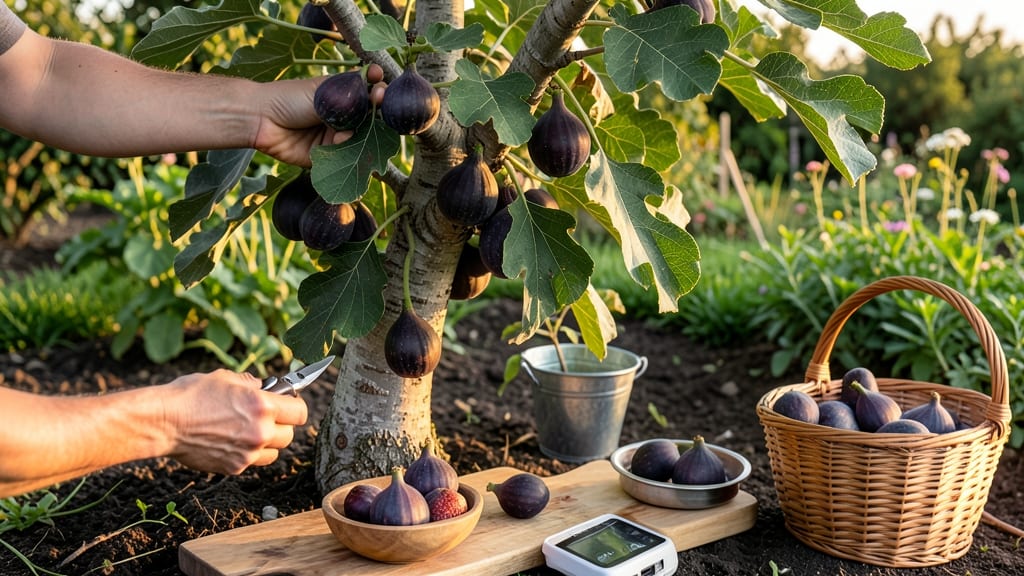
Harvesting a fig tree at the right time means the difference between sweet, jelly-like perfection and bland, underripe disappointment.
You’ve waited months for those 🍇 to swell, only to wonder: Is this the moment? Picking too early means tough, mealy flesh, while waiting too long turns them mushy. The key is in the texture, color, and even how they feel when you twist.
In Zone 6, your harvest window runs from late summer through fall, but exact timing depends on variety and weather. Common figs ripen first, followed by desert types—missing this sequence means missing the sweetest batches.
Below, I’ll walk you through three tactile tests to nail perfect ripeness, plus how to adjust for frost risk and store your harvest so it stays fresh for weeks.


3 Tactile tests to determine when figs are perfectly ripe
Figs are one of nature’s sweetest rewards, but picking them too early or too late can turn that reward into disappointment. The key to harvesting perfectly ripe figs lies in your hands—literally. Instead of guessing based on calendar dates, use these three tactile tests to determine ripeness.
These simple checks help you avoid underripe (tough, bland) or overripe (mushy, fermented) fruit, ensuring you enjoy that jelly-like sweetness at its peak.
Why rely on touch? Figs don’t ripen evenly, and their skin color can be misleading depending on the variety. The stem separation test, flesh softness, and base drying are foolproof ways to confirm ripeness without cutting into the fruit.
Plus, these methods work for both common figs (like 'Brown Turkey') and desert figs (like 'Celeste'). Let’s dive into each test and why it matters for flavor and texture.
- 1 Skin Color Shift: Press your thumb gently against the fig’s skin. Look for deepened color (purple, yellow, or brown) and a slight yield under pressure. Unripe figs feel firm and green.
- 2 Stem Separation: Gently twist the fig near its stem attachment. A ripe fig will detach easily with minimal force. If it resists, it’s not ready—wait 1-2 days.
- 3 Flesh Softness: Squeeze the fig lightly—ripe fruit should give slightly (like a ripe peach). Overripe figs feel mushy and may leak syrup. Underripe figs stay hard and crunchy.
The skin color shift is your first clue, but it’s not enough on its own. For example, a 'Black Mission' fig might look dark and ripe, but if it doesn’t yield under gentle pressure, it’s still firm inside. That’s where the flesh softness test comes in.
The flesh of a perfectly ripe fig should feel tender but not mushy, almost like the inside of a ripe avocado. If you press too hard and the skin dimples, you’ve waited too long.
Here’s a pro tip: Harvest in the morning when figs are coolest. This makes the stem separation test more reliable because the fruit’s natural sugars haven’t started breaking down from heat. Twist the fig gently—if it comes off with a slight plopping sound, it’s ready.
If it snaps the stem, it’s still attached to the tree and needs more time. This test is especially critical for desert figs, which often ripen faster than common figs.
Don’t overlook the base drying near the stem. As figs ripen, the area where the fruit meets the branch will lighten in color or even dry out slightly. This is nature’s way of signaling that the fig is transferring nutrients to the fruit.
If you see a white or brownish ring around the base, that’s your cue to harvest. Ignore this sign, and you risk the fig splitting open or attracting pests like birds and wasps.
What if your figs pass all three tests but still taste underwhelmingly sweet? Blame the climate. Figs grown in hotter regions (like Zone 9 or 10) develop more sugar faster than those in cooler climates.
If you’re in Zone 6 or 7, your figs might need a few extra days on the tree. In these cases, harvest slightly earlier and let them ripen indoors at room temperature for 1-2 days to intensify their flavor.
One common mistake is assuming all figs ripen at the same time. They don’t! Even on the same tree, figs can ripen weeks apart. That’s why I recommend checking your tree every 2-3 days during peak harvest season (late summer to early fall).
Use a small harvest basket lined with paper towels to collect ripe figs—this prevents bruising and makes it easy to sort them by ripeness.
Finally, remember that texture matters just as much as sweetness. A perfectly ripe fig should have a slightly sticky skin (thanks to natural sugars) and a creamy interior. If your figs feel dry or mealy, they’ve been left too long on the tree.
Balance is key: harvest when the fig is soft enough to eat but still holds its shape. That’s the sweet spot for flavor and texture.
Now that you’ve mastered these tactile tests, you’re ready to enjoy figs at their peak. Store them in the fridge for up to a week, or eat them fresh for that sun-ripened sweetness that’s impossible to replicate. Happy harvesting! 🍇
Fig variety harvest times: when to pick based on type
Not all figs ripen on the same schedule—your fig variety and climate zone determine the perfect harvest window. Common figs (like Brown Turkey or Celeste) typically ripen between late August and October, while desert figs (such as Mission or Violette de Bordeaux) may start as early as July in warm regions.
Understanding these differences ensures you don’t miss peak flavor or let fruit overripen on the tree.
Your local climate also shifts harvest timing. In USDA Zone 8-10, figs may ripen 2-4 weeks earlier than in cooler Zone 6-7 areas. For example, Desert King figs in Arizona might be ready by late July, while the same variety in New England could wait until mid-September.
Always monitor fruit development closely, especially during unpredictable weather.
| Variety Type | Harvest Window | Climate Notes | Color at Ripeness |
|---|---|---|---|
| Common Figs (e.g., Brown Turkey, Celeste) | Late August–October | Zone 6: 2 weeks later than Zone 9 | Purple-brown |
| Desert Figs (e.g., Mission, Desert King) | July–September | Early ripening in hot climates | Green-yellow |
| Early Varieties (e.g., Adriatic, Violette de Bordeaux) | June–July | Heat accelerates ripening | Purple-red |
| Late Varieties (e.g., Black Mission, Osborn Prolific) | September–October | Frost-sensitive; harvest before first freeze | Deep purple-black |
For early varieties like Adriatic or Violette de Bordeaux, start checking fruit in June—these ripen fastest in hot, dry climates.
Meanwhile, late varieties such as Black Mission or Osborn Prolific may not reach peak ripeness until October, making them ideal for cooler regions where early frosts are common. Always prioritize fruit color and texture over calendar dates.
If you’re in a transitional climate (like Zone 7), mix early and late varieties to extend your harvest season. For instance, plant Desert King for July-August picks and Celeste for September-October harvests.
This strategy ensures you enjoy fresh figs for 6-8 weeks instead of just a few weeks. Just remember: heat waves can speed up ripening, while cool, cloudy weather may delay it.
Pro tip: Desert figs often ripen while still attached to the tree, while common figs may drop if left too long. Check your trees every 3-5 days during peak season to avoid overripe fruit, which can attract pests or spoil quickly.
A quick twist test—gently rotating the fig—reveals readiness: if it detaches easily, it’s time to harvest!
Finally, climate shifts can drastically alter timing. In 2023’s record heat, some gardeners in Zone 5 reported figs ripening 3 weeks early. Keep a harvest journal to track your tree’s patterns, noting temperature, rainfall, and fruit development.
With this data, you’ll refine your timing year after year for perfectly ripe figs every season. 🍇