
Fertilization
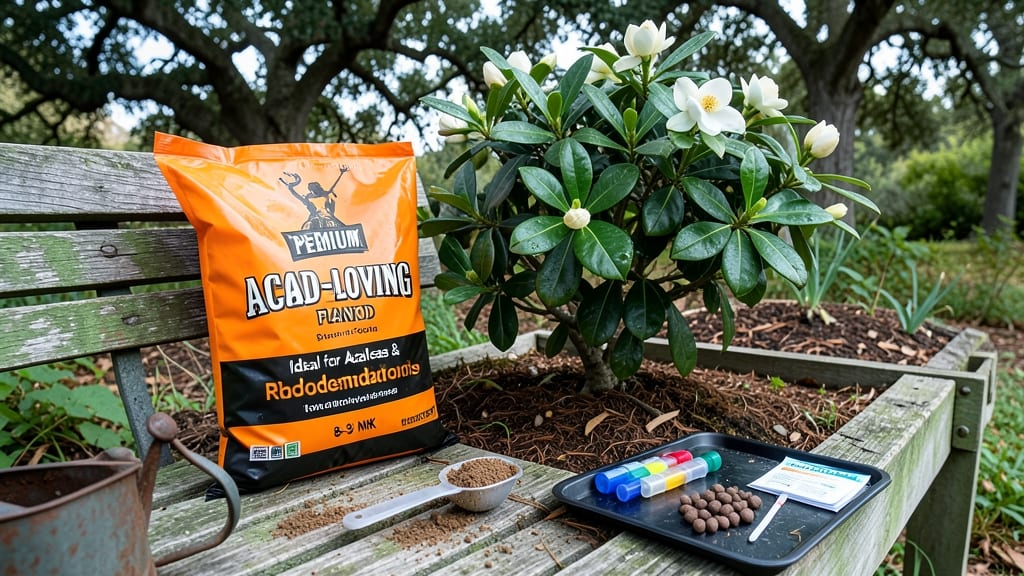
A gardenia tree thrives with the right fertilizer for its acidic soil needs, unlocking those fragrant, glossy blooms you’ve been dreaming of.
Picture this: your gardenia sits in the shade, leaves yellowing at the edges, and buds drop before they open. The problem? Most gardeners overlook the pH balance and nutrient mix that gardenias crave—acid-loving plants need more than just any fertilizer.
Without the right approach, even the hardiest gardenias struggle to bloom.
Here’s the game-changer: a science-backed feeding schedule that adjusts for seasons, organic vs. synthetic options, and how to spot the signs of over-fertilizing before it’s too late. We’ll cover everything from soil tests to the best bloom-boosting fertilizers, so you can finally enjoy that luxurious, heady fragrance year after year.
Skip the guesswork and learn how to feed your gardenia tree the way it was meant to be nourished—starting with the perfect pH and a feeding plan that keeps it lush and blooming.

How to fix gardenia soil pH for optimal fertilizer absorption
Your gardenia’s glossy leaves and fragrant blooms depend on one critical factor: acidic soil. Most gardenias thrive in a pH range of 4.5–6.0, yet many gardeners unknowingly grow them in alkaline soil, locking out essential nutrients like iron and manganese.
Without proper pH, even the best fertilizer for gardenia trees won’t work—roots can’t absorb what they need.
Before reaching for fertilizers, test your soil’s pH using a digital pH meter or home test kit (available at garden centers). If your reading is above 6.0, your gardenia is starving—literally.
The good news? Adjusting pH is simpler than you think, and organic amendments like pine bark fines or sulfur can restore balance naturally.
Why acidic soil matters: Gardenias are acid-loving plants that rely on low pH to unlock iron and phosphorus from the soil. At pH 7.0 or higher, these nutrients become unavailable, causing yellowing leaves (iron deficiency) or poor flowering. Think of pH as the gatekeeper for nutrients—fix it first, then fertilize.
Start by digging a hole around your gardenia’s root zone (about 12 inches deep) and removing 1–2 inches of topsoil. Replace it with a mix of 50% pine bark fines and 50% compost—this combo lowers pH naturally while adding organic matter.
Water thoroughly to settle the amendments into the soil.
For faster results, sprinkle elemental sulfur (½ cup per plant) over the soil surface and water it in. Sulfur works slowly—wait 2–4 weeks before retesting pH. Avoid quick-fix products like vinegar or aluminum sulfate, which can harm roots or disrupt soil microbes.
Think of sulfur as a slow-release pH regulator, not a band-aid.
Once your soil pH is in the 4.5–6.0 range, your gardenia will finally absorb fertilizer nutrients effectively. Now’s the time to introduce a balanced, acid-loving fertilizer (like a 6-6-6 or 10-10-10 formula) every 4–6 weeks during the growing season.
Pair this with a monthly foliar spray of iron chelate to prevent deficiency.
Monitor your gardenia’s leaf color and bloom count after adjustments. Healthy gardenias should have deep green leaves and scented white flowers by mid-summer. If yellowing persists, retest pH—sometimes lime in neighboring soil can drift and raise pH over time. Mulch with pine straw annually to maintain acidity naturally.
Remember, pH isn’t a one-time fix. Test soil annually in spring and re-amend if needed. Over time, your gardenia will reward you with lush foliage and fragrant blooms—proof that the right soil chemistry unlocks a plant’s full potential. 🌸
Best fertilizers for gardenia trees: organic vs synthetic options
Choosing the right fertilizer for gardenia trees can transform your plant from a struggling shrub to a fragrant, blooming beauty. Gardenias thrive on acid-loving plant formulas with balanced NPK ratios (like 6-6-6 or 10-10-10), but not all fertilizers are created equal.
Let’s break down the top organic and synthetic options to help you decide what’s best for your gardenia’s health and those coveted white blooms.
For organic fertilizers, options like fish emulsion, composted manure, or citrus bloom boosters provide slow-release nutrients that improve soil structure over time. Synthetic fertilizers, on the other hand, offer quick nutrient delivery but may require more frequent applications.
Both have their place—it’s all about matching your gardenia’s needs to your gardening style.
⚠️ PROS-CONS BOX: Fertilizer for Gardenia Trees
If you prefer organic options, fish emulsion is a top choice because it’s rich in nitrogen and micronutrients, which gardenias crave for lush foliage and abundant blooms. Apply it every 4-6 weeks during the growing season (spring through summer), always diluting it to half-strength to avoid root burn.
Another favorite is a citrus bloom booster, which not only feeds your gardenia but also helps maintain the acidic soil pH it loves.
For those who prefer synthetic fertilizers, look for acid-loving plant formulas like Miracle-Gro Acid-Loving Plant Food or a 16-4-8 NPK ratio blend. These provide quick nutrient uptake, which is ideal if your gardenia is showing signs of nutrient deficiency, like yellowing leaves or sparse blooms.
Synthetic fertilizers are also easier to store and apply, making them a convenient choice for busy gardeners.
Don’t forget about DIY fertilizer recipes! A simple mix of 1 part compost, 1 part peat moss, and 1 part perlite creates a nutrient-rich soil amendment that supports root health and encourages blooming.
For a liquid feed, blend 1 cup of banana peels (rich in potassium) with 1 gallon of water and let it steep for a week before using it to water your gardenia.
Timing is everything when it comes to fertilizing gardenias. Start with a light feed in early spring to kickstart growth, then switch to a regular feeding schedule every 4-6 weeks during the blooming season (spring to early summer).
Always water your gardenia thoroughly after applying fertilizer to help nutrients reach the roots. Avoid fertilizing in fall or winter, as your gardenia enters dormancy and doesn’t need extra nutrients.
Remember, the key to healthy gardenia blooms is consistency. Whether you choose organic or synthetic fertilizers, stick to a regular feeding schedule and monitor your plant’s response. If you notice yellow leaves or bud drop, it might be time to adjust your fertilizer type or application method.
With the right nutrients, your gardenia will reward you with fragrant, white blooms all season long! 🌸