
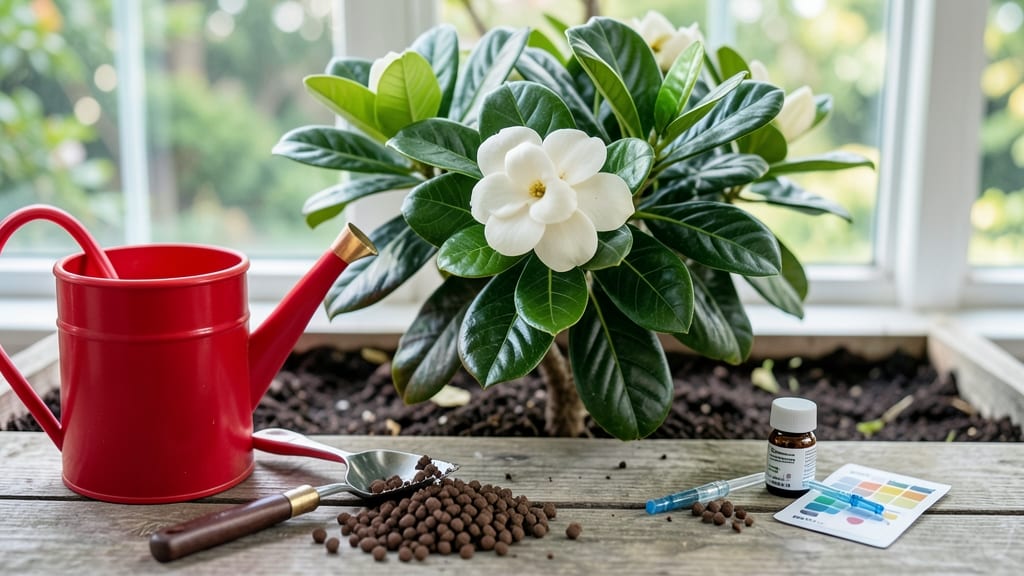
When to Fertilise Gardenias: Spring Awakening & Post-Bloom Boost for Year-Round Fragrance

How To

When to Fertilise Gardenias: Spring Awakening & Post-Bloom Boost for Year-Round Fragrance

Fertilising gardenias at the right time means the difference between lush, fragrant blooms and sparse, weak growth.

Your gardenias could be blooming more abundantly—and filling your garden with that intoxicating fragrance—if you’re fertilising them at the wrong times. Timing is everything when it comes to feeding these delicate but rewarding shrubs, and missing the optimal windows can leave you with sparse flowers and weak growth.

In Zone 6, the best times to fertilise are early spring (March) and again after blooming (June–July), while tropical climates (Zones 9–10) can feed year-round with lighter applications. The key is matching your schedule to the plant’s natural cycles, not just the calendar.

Below, I break down the exact seasonal cues—like new leaf growth and post-bloom recovery—that tell you when to feed, how much to use, and what to avoid to keep your 🌸 gardenias thriving.

Best times to fertilise gardenias for maximum blooms & health

Timing your gardenia fertilizing schedule is like conducting a symphony—get it right, and you’ll be rewarded with lush foliage and abundant blooms that perfume your garden. Gardenias thrive on a seasonal feeding rhythm, with key windows in early spring, mid-summer, and late summer.

Missing these can leave your plants struggling, even if you’re using the right fertilizer. The secret lies in matching their natural growth cycles with nutrient delivery.

Gardenias are acid-loving plants that need a balanced fertilizer with a touch of acidity, like a 10-10-10 or 8-3-9 formula designed for azaleas or camellias. But timing matters just as much as the type. Feed them too early in spring, and you’ll encourage leafy growth over flowers.

Wait too long, and you’ll miss the bloom-boosting window before their big show. Let’s break down the science-backed schedule that’ll transform your gardenias into fragrant powerhouses.

Season Best Time to Fertilise Fertilizer Type Frequency Key Goal
Early Spring (March) After last frost Acidic, low-nitrogen (8-3-9) Light feed Stimulate root growth
Late Spring (April-May) Every 4-6 weeks Balanced (10-10-10) Full feed Encourage blooms
Summer (June-August) Post-bloom (July) Low-nitrogen (5-10-10) Light feed Prepare for next blooms
Early Fall (September) Early September Organic (compost/manure) Light feed Strengthen roots
Winter (October-February) None N/A Dormant

What happens if you fertilise gardenias at the wrong time?

Fertilizing gardenias at the wrong time can turn your fragrant shrubs into a sad, struggling mess.

These delicate plants thrive on precision—too much fertilizer at the wrong moment can burn roots or delay blooming, while neglecting their needs during critical growth phases leads to weak stems and fewer flowers. The key is understanding their seasonal rhythms and adjusting your feeding schedule accordingly.

Gardenias enter dormancy in late fall and winter, especially in USDA Zones 7-10. Feeding them during this period forces energy into new growth when they should be conserving it. Over-fertilizing in winter can cause nutrient buildup in the soil, leading to root burn and leaf scorch.

Even worse, it disrupts their natural rest cycle, leaving them vulnerable to pests and diseases when spring arrives.

⚠️ WARNING: Common Mistakes That Harm Gardenias ⚠️

❌ Fertilizing in Winter (Dec-Feb): Forces growth when the plant is dormant, causing stress and root damage. Gardenias in Zones 7-10 need rest—skip feeding entirely during this time.

❌ Heavy Feeding After Blooming (June-July): Post-bloom is a recovery phase. Too much fertilizer here promotes leafy growth over flower buds, reducing next season’s blooms. Use a low-nitrogen fertilizer instead.

❌ Skipping Spring Feeding (Mar-Apr): This is their growth explosion window. Missing it results in pale, weak foliage and smaller blooms. A light feed in March kickstarts energy for the season.

Under-fertilizing is just as damaging. If you skip feeding entirely during the active growing months (April-July), your gardenias will show signs of nutrient deficiency, like yellowing leaves (chlorosis) or stunted growth. The plant may even drop buds before they open, leaving you with a sparse, unkempt shrub.

Think of fertilizer as their energy drink—timing it right ensures they have the fuel to produce those show-stopping white blooms.

Another critical mistake is fertilizing right after pruning. Pruning in late winter or early spring stimulates new growth, but fresh cuts are vulnerable. Applying fertilizer too soon can overwhelm the plant, causing leaf burn or fungal infections.

Wait 4-6 weeks after pruning before feeding to let the wounds heal and roots recover.

Climate plays a huge role too. In tropical zones (9-10), gardenias grow year-round, but even there, avoid feeding during the hottest months (July-August). The heat stresses the plant, and fertilizer can increase water needs, leading to root dehydration.

Instead, opt for a light feed in September to prep for cooler weather and next year’s blooms.

Pay attention to your gardenias’ signals—they’ll tell you when something’s off. Crispy leaf edges or brown tips mean you’ve overdone it, while pale green leaves or buds that refuse to open scream for more nutrients.

Adjust your schedule based on these cues, and your gardenias will reward you with lush foliage and abundant fragrance all season long. 🌸

★★★★★4.9(7 reviews)
Categories How To