
How To
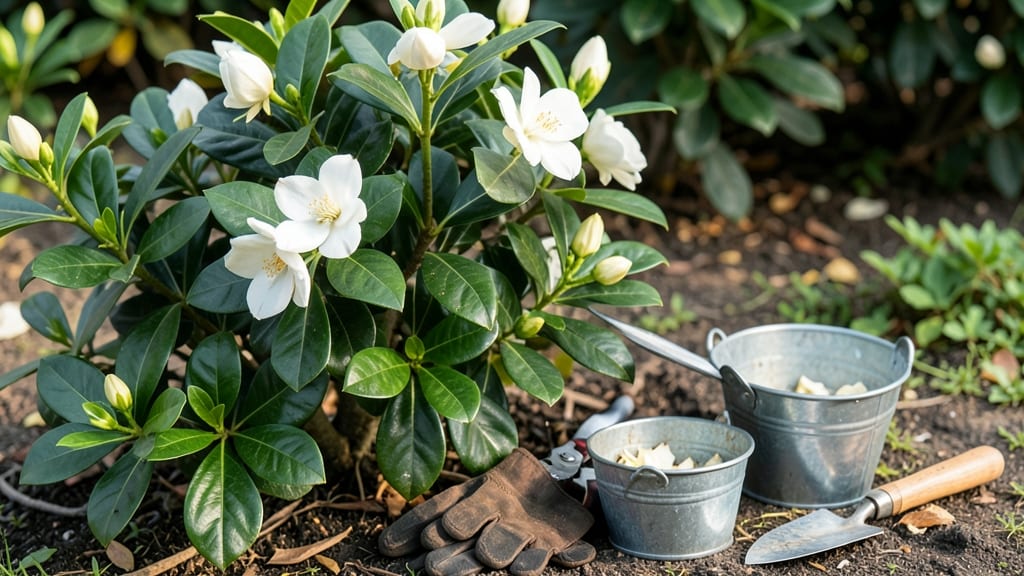
To cut back gardenia bush at the right time ensures stronger blooms next year—and that window opens just as the last frost passes.
Picture this: You’ve spent months admiring your gardenia’s fragrant white blooms, only to watch them dwindle after a single season. The fix isn’t more water or fertilizer—it’s timing. Prune too early, and you risk stunting new growth; too late, and you’ll sacrifice next year’s flowers.
Late winter is your sweet spot, but there’s a 3-week window where everything changes.
Most gardeners in USDA Zones 8-10 should prune between mid-February and early March, when the soil is workable but before buds swell.
Warmer climates like Florida or Southern California can wait until late March, but the rule is simple: cut when the last frost is behind you and the days are lengthening. Miss this, and you’ll be playing catch-up with wilted stems.
Here’s the game-changer: I’ll walk you through the exact steps to shape your gardenia—how to snip without overdoing it, which branches to keep for airflow, and the one trick that doubles your bloom count.
No guesswork, just proven results for a bush that looks like it’s been pruned by a pro.
Optimal late winter pruning timeline for gardenia bushes
Pruning your gardenia bush at the right time in late winter sets the stage for abundant blooms all season. Unlike many plants, gardenias bloom on old wood, meaning last year's growth produces this year's flowers.
Timing your cuts just before new growth begins is crucial to avoid sacrificing potential blooms.
Most gardeners target late winter because it's when gardenias enter dormancy in cooler climates. This period, typically February to early March in USDA Zones 7-9, gives you a narrow window to prune before buds start swelling.
Warmer climates may need to adjust this schedule slightly to avoid cutting into early growth.
| Climate Zone | Ideal Pruning Month | Signs of Dormancy | Weather Conditions |
|---|---|---|---|
| USDA Zones 7-9 | Late February - Early March | Leaves yellowing, minimal new growth | 50-60°F days, no frost forecast |
| USDA Zones 10-11 | January - Mid-February | Slow growth, some leaf drop | 60-70°F, dry season start |
| Northern Zones 5-6 | Early March - April | No new shoots, brown stems | Above 40°F, no snow |
Note: Adjust 1-2 weeks earlier in coastal climates with milder winters.
Look for these key indicators that your gardenia is ready for pruning: yellowing leaves, dormant buds, and no new growth for at least 2 weeks. In my experience, gardenias in Zone 9 often need pruning by mid-February to avoid cutting into early spring growth.
Always check for frost warnings—pruning too early can shock tender new growth.
Weather plays a critical role in successful pruning. Aim for dry, calm days with temperatures between 50-70°F. Humidity should be low to prevent fungal infections from open cuts. I once pruned my gardenia after a rainy week and noticed brown edges on new leaves—lesson learned!
Always prune in the morning when plants are hydrated but evaporation is slow.
In warmer climates, gardenias may show signs of dormancy earlier. If your plant is in Zone 10 or 11, start pruning as early as January. The goal is to cut back just before the plant naturally begins its growth cycle.
Pay attention to leaf color changes—healthy green leaves turning yellow or brown signal it's time to act.
Never prune after you see new green shoots or swollen buds, as this removes potential blooms. I made this mistake one spring and ended up with half the usual flowers. If you're unsure, wait another week. Patience pays off with more abundant blooms later in the season.
Your gardenia's growth habit also affects timing. Upright varieties like 'Kleim's Hardy' need more aggressive pruning, while spreading types like 'Radicans' benefit from lighter cuts. Always use clean, sharp pruners to make 45-degree cuts just above outward-facing buds for the best results.
After pruning, give your gardenia a light fertilizer with high phosphorus (like 5-10-10) to support new growth. Water deeply but avoid soaking the foliage to prevent fungal issues. Within 4-6 weeks, you should see fresh green shoots—this confirms you pruned at the perfect time.
Remember, gardenias are sensitive to over-pruning. Never remove more than one-third of the plant's volume in a single session. My first gardenia nearly died after I cut it back too aggressively—now I measure each cut against the plant's overall shape before snipping.
For container-grown gardenias, pruning timing is slightly more flexible since they're often moved indoors during winter. If your potted gardenia shows dormancy signs in December, you can prune then and move it back outside after the last frost. Just ensure it gets bright indirect light indoors to maintain health.
Step-by-step pruning method to encourage lush blooms
Pruning your gardenia bush isn't just about trimming back overgrowth—it's an art that unlocks abundant blooms and keeps your plant thriving. The key lies in the right techniques, from deadheading spent flowers to shaping the bush for better airflow.
When done correctly, pruning encourages new growth and prevents disease by reducing congestion in the foliage.
Before you grab your shears, gather the right pruning tools. A pair of sharp bypass pruners is essential for clean cuts, while sterilized tools prevent bacterial infections. For larger branches, a pruning saw with a fine-toothed blade ensures smooth cuts without tearing.
Always disinfect your tools with rubbing alcohol or a bleach solution to keep your gardenia healthy.
Step-by-Step Pruning Guide
Identify dead or diseased branches first. Look for brown, mushy stems or any signs of fungal growth. Cut these out completely, making your cuts at a 45-degree angle just above a healthy bud or node. This prevents water from pooling and causing rot.
Next, deadhead spent blooms by snipping off the flower stems just above the first set of healthy leaves. This redirects the plant’s energy toward new flower production rather than seed development. Aim to remove 1/3 of the spent blooms every few weeks during the growing season.
For structural pruning, shape your gardenia by cutting back overly long or leggy branches. Focus on creating an open, rounded shape to allow sunlight and air to penetrate the center. Never remove more than 1/3 of the bush’s foliage in a single session to avoid shocking the plant.
After pruning, seal the cuts with pruning sealant to protect the plant from pests and diseases. This step is especially important if you’ve made larger cuts. Water your gardenia deeply after pruning to help it recover and encourage root growth.
Finally, fertilize lightly after pruning to support new growth. Use a balanced fertilizer with equal parts nitrogen, phosphorus, and potassium. Avoid heavy fertilizing immediately after pruning, as this can stress the plant. Instead, wait 2-3 weeks to let it recover.
Pruning your gardenia isn’t just about aesthetics—it’s about promoting healthy growth and ensuring those fragrant blooms return year after year. By following these steps, you’ll encourage your bush to produce more flowers while maintaining its shape and vitality.
Remember, patience and consistency are key, especially if your gardenia is younger or recovering from neglect.
If your gardenia is in a warmer climate, you can prune lightly throughout the year, but always avoid heavy pruning during the hottest months to prevent stress.
In cooler regions, stick to late winter or early spring pruning to give your plant time to recover before summer heat sets in. With the right approach, your gardenia will reward you with lush, fragrant blooms for seasons to come! 🌿✂️🌸