
Pruning
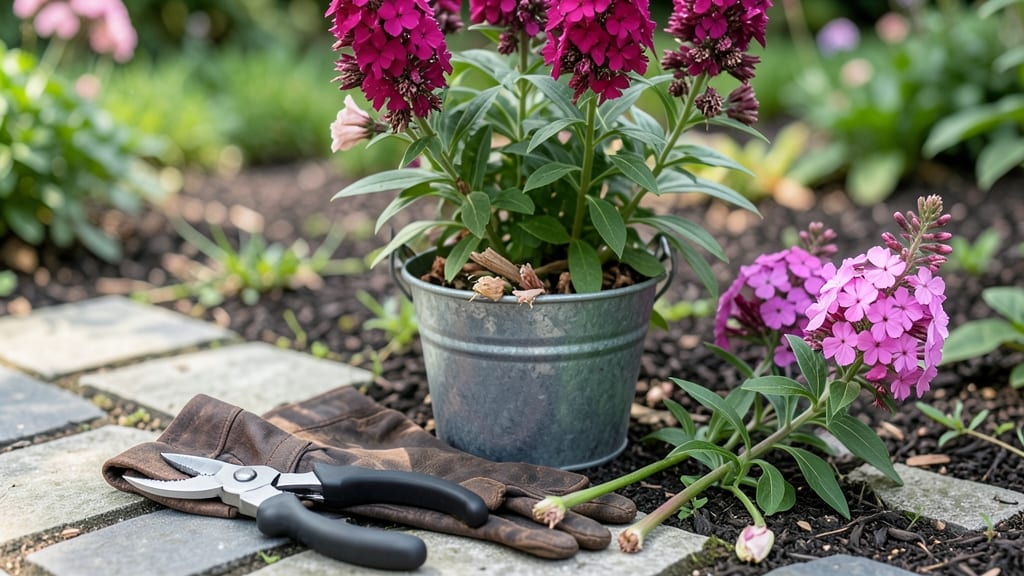
To cut back garden phlox 🌸 for next year’s best blooms, aim for late fall—about 4 to 6 weeks before your first frost, typically in early to mid-November in Zone 6a.
Struggling to decide when to cut back your garden phlox? Timing this task wrong can reduce next year’s blooms—or even harm your plants. The key is balancing early enough to prevent winter rot while leaving enough foliage to protect the crown.
Most gardeners wait until after the first hard frost, when the plant’s growth naturally slows. Cutting too early exposes fresh cuts to cold, while waiting too long risks damaging the roots when the ground freezes.
Below, I’ll break down the exact window for your region, how to prune correctly, and the tools that make the job cleaner and safer for your phlox. Ready to set yours up for a showstopping spring?
Optimal late fall cutting timeline for garden phlox
Late fall is the perfect time to cut back garden phlox (Phlox paniculata), but timing matters more than you might think. Pruning too early can expose tender stems to winter frost damage, while waiting too long may leave your plants vulnerable to rot or pests.
The ideal window is 4-6 weeks before your first hard frost, giving your phlox just enough time to prepare for dormancy while avoiding winter hazards.
This science-backed timeline ensures your phlox enters winter strong, with healthier roots and better blooms next spring. Whether you're in a mild coastal climate or a cold northern zone, adjusting your pruning schedule based on your USDA hardiness zone will make all the difference.
Let’s break down the exact timing and what to avoid.
For most gardeners in USDA Zones 5-8, the 4-6 week window before frost is your sweet spot. For example, if your first hard frost hits October 15, aim to prune by mid-September.
This timing allows your phlox to harden off gradually while removing dead or diseased foliage that could harbor pests over winter.
In warmer climates (Zones 9-10), you can extend the window to 6-8 weeks before frost—think late October or early November. Here, the goal is to reduce humidity risks while still letting the plant prepare for dormancy.
However, avoid pruning if mild temperatures persist, as new growth may not survive unexpected cold snaps.
One common mistake is pruning too aggressively in late fall. Cutting stems back to the ground level removes protective foliage and exposes tender crowns to freezing temperatures.
Instead, leave 2-3 inches of stem above the soil to insulate the crown naturally. This small adjustment can double your survival rate in harsh winters.
Regional variations play a huge role. In northern states (Zones 3-4), where winters are brutal, delay pruning until after the first frost—but only if the ground isn’t frozen. Let the stems die back naturally to protect the root system.
Conversely, in southern zones (Zones 8-10), where frost is rare, you can prune as late as December, but always after the last bloom cycle of the year.
After pruning, mulch heavily around the base of your phlox with 2-3 inches of organic mulch (like shredded leaves or straw). This insulates roots and retains moisture during winter.
Avoid synthetic mulches, which can trapped heat and promote rot. A well-mulched phlox bed can thrive year after year with minimal effort.
If you’re unsure about your first frost date, check your local USDA hardiness zone map or use a frost calendar from your state agricultural extension. Many gardeners also rely on weather apps to track 10-day forecasts for precise timing.
Pro tip: Mark your calendar now—late fall pruning is a one-time task that sets the stage for next year’s spectacular blooms.
Remember, the key to successful phlox pruning is patience and preparation. Rush the process, and you risk weakening your plants; wait too long, and you may invite pests or disease.
By following this science-backed timeline, you’ll ensure your garden phlox stays healthy, vibrant, and ready to burst into color come spring.
Step-by-step guide to pruning phlox without harming the plant
Pruning garden phlox correctly ensures vibrant blooms next season while avoiding disease or winter damage. The key is timing—cut too early, and you risk stunted growth; wait too long, and frost can harm tender stems.
I’ll walk you through the exact steps to prune like a pro, including tool recommendations and what to do with your cuttings.
Start by gathering your clean, sharp pruners or a bypass pruner for precise cuts. Avoid dull tools, as they crush stems instead of cleanly severing them. Disinfect your blades with rubbing alcohol to prevent spreading bacterial or fungal infections. Wear gloves to protect your hands from thorns and sap.
Step-by-Step Pruning Guide for Garden Phlox
- Wait until 4-6 weeks before your first hard frost (typically late October to early November in most zones).
- Cut back dead or damaged stems first, trimming them back to healthy foliage or the base of the plant.
- For overgrown clumps, reduce tall stems by 1/3 to encourage new growth in spring. Avoid cutting into woody stems.
- Leave 2-3 inches of stem above the soil line to protect the crown from frost and pests.
- Collect cuttings for propagation: place them in a bucket of water and keep in a cool, shaded spot until spring.
- Mulch around the base of the plant with 2-3 inches of organic mulch (like straw or shredded leaves) to insulate roots.
- Avoid pruning in wet or freezing conditions, as this can stress the plant and invite rot or disease.
After pruning, remove all debris from the garden bed to prevent pests and diseases from overwintering. If you’re propagating cuttings, root them in well-draining soil by spring. Most phlox cuttings root easily in water or soil, making it a great way to expand your garden for free!
Common mistakes include cutting too late (after frost) or pruning too aggressively, which can expose the crown to cold. Always leave some foliage to protect the center of the plant.
In mild climates, you can prune lightly in early spring instead, but late fall is ideal for most regions.
With these steps, your phlox will rebound stronger in spring, producing fuller blooms and healthier foliage. Happy pruning—your garden will thank you! 🌸