
Planting
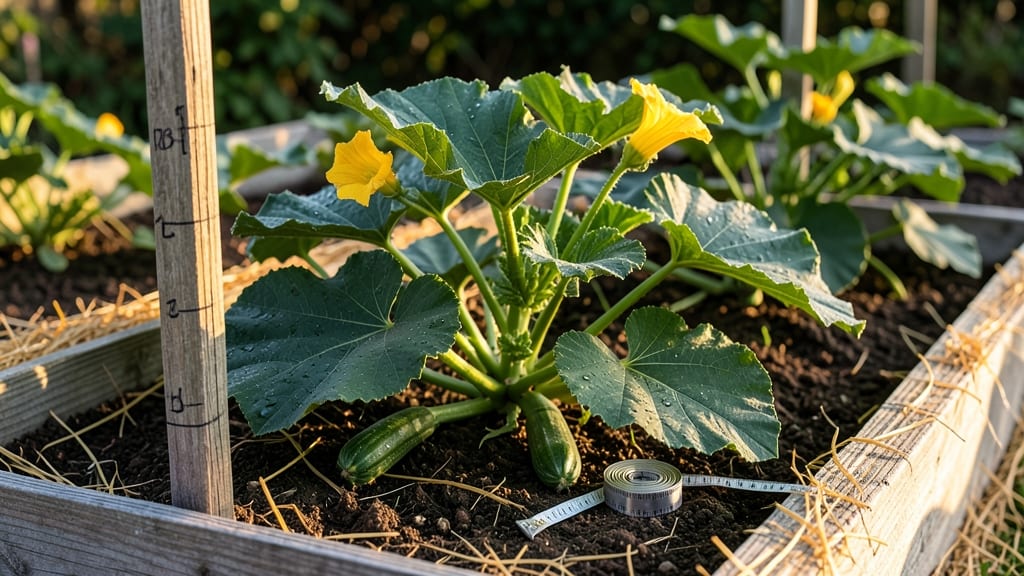
Proper squash spacing in garden determines whether you’ll end up with a jungle of tangled vines or a thriving patch of productive plants 🌱.
Picture this: you’ve just planted your squash seeds, full of excitement for the harvest ahead. But by midsummer, your vines are sprawling everywhere, blocking sunlight, and your zucchinis are the size of golf balls instead of dinner plates.
That’s the cost of spacing it wrong—and it happens more often than you’d think.
Getting the spacing right isn’t just about fitting more plants into your garden. It’s about giving each squash plant enough room to breathe, so it grows strong, resists disease, and produces the big, healthy fruits you’re after.
Whether you’re growing bush varieties like pattypan or sprawling types like butternut, the distance between plants makes all the difference in your yield.
In this guide, I’ll walk you through the exact spacing rules for different squash types, how to arrange them in rows for maximum airflow, and the common mistakes that lead to wasted effort.
By the end, you’ll know exactly how to space your squash for a bigger, healthier harvest—no guesswork required.
Optimal squash spacing by variety: summer vs winter squash guidelines
If you’ve ever planted squash only to watch your vines sprawl uncontrollably and your harvest shrink, you’re not alone. The key to bigger squash and healthier plants lies in proper spacing. Different squash varieties—whether summer squash like zucchini or winter squash like butternut—require distinct spacing to thrive.
Too close, and you’ll battle disease and poor airflow; too far, and you waste garden space. Let’s break down the ideal spacing for your favorite squash types to ensure a bountiful harvest every season.
Squash plants fall into two main categories: bush types (compact growth) and vining types (sprawling vines). Summer squash (like zucchini and yellow squash) typically mature faster and need less space, while winter squash (such as pumpkins and butternut) require more room to develop their large fruits.
Understanding these differences will help you design a garden layout that maximizes yield without sacrificing plant health.
Here’s where spacing gets tricky: row spacing matters just as much as the distance between individual plants.
For example, zucchini might need 2-3 feet apart, but if you plant them in tight rows, their leaves will shade each other, leading to blossom end rot and reduced fruit production.
The solution? Stagger your rows and leave 4-5 feet between them for proper air circulation and sunlight exposure. Let’s dive into the specifics for each variety.
| Variety | Plant Spacing (in) | Row Spacing (ft) | Growth Type | Notes |
|---|---|---|---|---|
| Zucchini | 24-36 | 3-4 | Bush or Vining | Harvest frequently to encourage more fruit. |
| Yellow Squash | 24-36 | 3-4 | Bush | Great for container gardening with proper spacing. |
| Pumpkins | 36-60 | 5-6 | Vining | Needs ample space for large fruits; trellis if possible. |
| Butternut Squash | 36-48 | 4-5 | Vining | Use a trellis to save space and improve airflow. |
| Acorn Squash | 24-36 | 3-4 | Bush | Compact and ideal for small gardens. |
| Spaghetti Squash | 36-48 | 5 | Vining | Long vines; train upward for space efficiency. |
For summer squash like zucchini and yellow squash, 24-36 inches between plants is ideal. These varieties grow quickly and produce fruit early, so overcrowding leads to competition for nutrients and smaller yields.
I recommend planting them in blocks rather than rows to improve pollination—bees love visiting dense clusters of flowers!
If you’re growing bush types, you can even squeeze in an extra row or two by reducing plant spacing to 24 inches, but be prepared to thin seedlings later if they get too competitive.
When it comes to winter squash, such as pumpkins and butternut squash, the stakes are higher. These plants need more space—36-60 inches between plants—to support their heavy fruits.
Pumpkins, in particular, can spread 10-20 feet if left unchecked, so trellising is a game-changer for small gardens. By training vines upward, you can reduce the footprint by up to 70% while still achieving a full harvest.
Just ensure your trellis is strong and sturdy—those pumpkins can weigh 20+ pounds!
Don’t forget about soil health and **mul
How to arrange squash plants in rows for maximum yield
Arranging squash plants in rows isn’t just about fitting more plants into your garden—it’s about creating an environment where they can thrive. Proper row spacing ensures every plant gets enough sunlight, air circulation, and nutrients to produce abundant yields.
Without it, you’ll end up with crowded vines, increased disease risk, and smaller harvests. The key is balancing plant maturity with garden layout to maximize every square foot.
Start by planning your rows based on the squash variety you’re growing. Bush varieties like zucchini or yellow squash need less space than sprawling vining types like butternut squash or pumpkins.
For example, bush squash can handle 2-3 feet between plants, while vining types may require 4-6 feet or more. This difference directly impacts how you design your rows and whether you’ll need to incorporate trellising systems.
Key-takeaway:
Optimal Squash Row Spacing for Maximum Yield
For high-density planting, consider double-row layouts where you plant two rows close together (about 2-3 feet apart) with wider spacing between the pairs (around 4-5 feet). This setup works well for bush varieties and gives you more flexibility in smaller gardens.
Just be sure to leave enough space between pairs to allow for garden tools and easy access to the plants for harvesting and maintenance.
When working with vining squash varieties, trellising is your best friend. By training vines to grow vertically on a sturdy trellis, you can reduce the footprint of each plant by up to 70%.
This not only saves space but also improves airflow and reduces the risk of fungal diseases like powdery mildew. Use a 5-6 foot tall trellis for butternut squash and pumpkins, and secure the vines with soft ties or old fabric strips to avoid damaging the stems.
Don’t forget to rotate your garden rows each year to prevent soil depletion and reduce pest buildup. Squash plants are heavy feeders, so they’ll benefit from compost-rich soil and a balanced fertilizer like 5-10-10 applied at planting and again mid-season.
Mulching around the base of your plants with straw or shredded leaves helps retain moisture, suppress weeds, and keep the soil temperature consistent—all of which contribute to healthier plants and bigger yields.
Finally, monitor your plants closely for signs of overcrowding, such as yellowing leaves or stunted growth. If you notice these issues early, thin out the weakest plants to give the remaining ones more room to thrive.
With the right row arrangement and a little attention to detail, you’ll be harvesting bountiful squash all season long.